Activism, All Shall Be Well, anxiety, Attachments, Bewilderment, Brokenness, Caged children, Calm, Change, Confusion, Courage, Defiance, Despair, Determination, Dreams, Emerging new, Falling down, Fear, Feelings, Following Christ, healing, Hope, Injustice, Psalms, Questions, Reflection, Transformation

In these Evil Days, Dream a Little Dream

Rev. Kathy Manis Findley
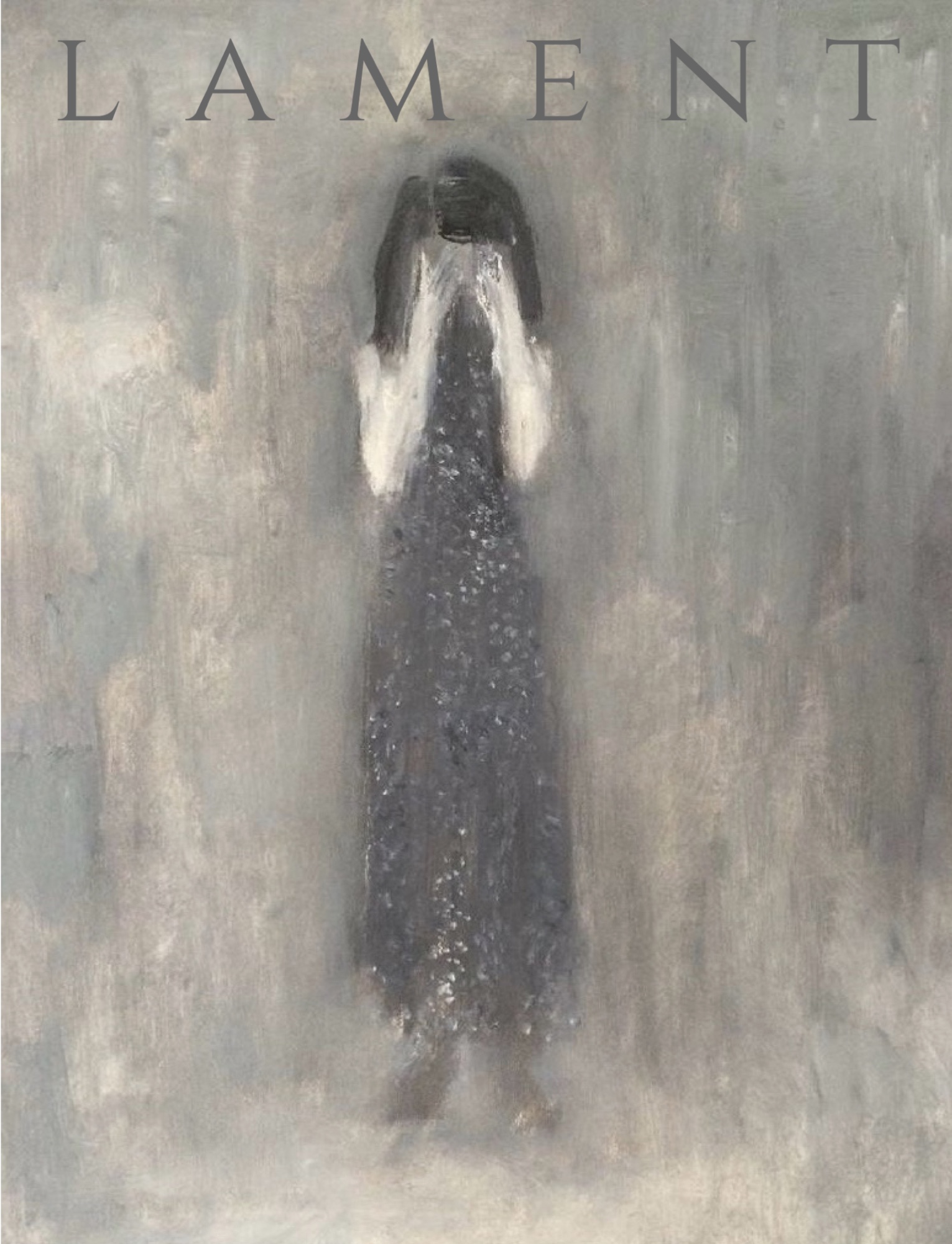
Lately, I have been trying to figure out a number of mysteries, but I have not figured out one single thing-, not lament, not how to fix my life, not transformation, not even the continuous mess in my closet. I simply have not yet been able to go through a reorganization process. The prospect of reorganizing my life—my soul, my spirit, my heart—plus all the treasures in my closet and armoire is so terribly daunting to me. Marie Kondo comes to mind, but I quickly shoo her away from my mess in the closet.

Lots of folk complain about “these days.” I confess that I do my share of complaining. What is it about “these days” that seems so troubling? I cannot fully give you an answer to that question yet, but I have some ideas about it. The issue at hand reminds me that the Bible often refers to “evil days.” I believe that many people see these days as “evil days,” and that cannot turn out well for anyone!

Jennifer Senior, a journalist with The Atlantic, recently wrote a news article in which she asked a another provocative question: What will happen to the American psyche if Trump is reelected? (Don’t worry, this post is not about Donald Trump!) On this question, maybe we really don’t want to know the answer. Instead of taking her question seriously and considering what might happen to “American psyches” following the November election, some folk would rather complain about the division all around, the evil around us, or other things nobody likes.

When we dare to make an honest evaluation of circumstances that surround us, we dig in our heels and balk. We balk because we don’t want to see the division in our nation or the impasse we have reached on important issues. We balk because, in truth, no one wants to lament. Remember, I’m not talking about divisions among us like liberal or conservative, Democrat or Republican, male or female, immigrant or American citizen, black or white . . . I could go on and on naming divisions among us. We have always co-existed with division, but most often in the past we have acknowledged division and simultaneously practiced kindness, respect, and tolerance. Given the current national environment, we might just be justified in calling these days “evil days.

If reading the Bible is something you typically do, then you might understand more fully the term “evil day.” My heart tells me that “evil days” are definitely taking a toll on us. Instinct tells me that “the evil day” is not a single day, but refers to the times in our lives when we face overwhelming , troubling circumstances. If you are willing, meditate on the following words for a few moments.


Therefore, take up the whole armor of God, so that you may be able to withstand the evil day and, having prevailed against everything, to stand firm. 16 Stand, therefore, and belt your waist with truth and put on the breastplate of righteousness15 and lace up your sandals in preparation for the gospel of peace. 16 With all of these, take the shield of faith, with which you will be able to quench all the flaming arrows of the evil one.17 Take the helmet of salvation and the sword of the Spirit, which is the word of God.

Ephesians 6:13-17 NRSVUE

I want to remind us all about the unrest we hold inside, too close to our heart and spirit. The proximity is important to pay attention to, as well as the flashpoints, past and present, that people have endured. I would guess that there are many flashpoints and memories of times that have held power over you. You probably face off with flashpoints, knowing that they not only create stress in our bodies, but also create bondage. We can become chained to our lives. Until we have exert some control of the present time of division, hate, turmoil, distrust, disrespect, contempt and other forms of bondage, we cannot find peace that changes the world. We certainly cannot figure out how to accept the possibility of transformation.

These evil days may well be causing our hearts to lament. These days may be days full of nightmares—no dreams at all, not even little dreams. You can name your own tragedies—the ones that are making it hard to breathe for you, or the ones that cover the whole troubled world with sadness. When I think of choosing my personal places of lament, those places where I can pour out the most anxiety, I feel the heavy burden of hopelessness. If you feel that too, you are not alone.

Always looking for a scapegoat, we try to discern what is bringing us down. Of course, life often brings us unforeseen personal tragedies that we must deal with. And there is certainly enough shared anxiety to go around. If you read the daily news, you will undoubtedly hear about the fierce war in Ukraine, the inability to create peace in the Middle East, the rising cost of food, the food deserts in our country, refugee children separated from their parents, difficult financial challenges, mass shootings, fractured relationships, long-term estrangement from loved ones, the opioid crisis and addiction, racism, injustice of all kinds, and politics. Evil days!

There are so many more ills we could add to this list, but we know them already, and the news programs are anxious to tell us about broken politics, as well as the way politics creates broken people. So there you have it! Among the many sources of stress we each experience, we continually stress over the dozens of pointless news stories about politics and the behavior of politicians every day. To top it off, Gloria Mark points out that “we are once again facing a news cycle that will shove our attention—as well as our output, our nerves, our sanity—through a Cuisinart.” No matter how skillfully we deny it, our bodies are not designed to handle chronic stress and trauma.

Just about now, you might want to say that politics doesn’t affect us that much, certainly doesn’t cause depression and hopelessness. But consider this viewpoint written by Pulitzer Prize winning journalist, Jennifer Senior:

The American Psychological Association’s annual stress survey, conducted by the Harris Poll, found that 68 percent of Americans reported that the 2020 election was a significant source of strain. Kevin B. Smith, a political-science professor at the University of Nebraska at Lincoln, found that about 40 percent of American adults identified politics as “a significant source of stress in their lives,” based on YouGov surveys . . . Even more remarkably, Smith found that about 5 percent reported having had suicidal thoughts because of our politics. Evil days!

And of the most divisive election in decades, psychologists are saying that their research shows that more than two-thirds of U.S. adults (68%) say that the 2020 U.S. presidential election was a significant source of stress in life.

It is not a stretch to say that stress plays havoc on our dreams, even our little dreams. I have to confess that my big dreams disappeared into the “impossible“ file, and were then swallowed up by the churning in my stomach and my psyche. I remember my first year in seminary, working part time jobs and going to class. For a while, I worked in the development office where all the catchy slogans, mottos and themes were born. One year, the staff got together to write a theme for the annual development campaign. I don’t know who came up with our brilliant theme, but we loved it. I really loved it and made it my personal mission.

“We’re Out to Change the World!”

I tried to do just that, and I honestly thought I could, but eventually the scene in my mind of one young woman alone trying to change the world on her own made me shiver. All the lofty goals and the many little dreams, along with a few big dreams, that had my attention were disappearing before me. I despaired at first and then carried long-term grief about it. There would be no big dreams in my heart. I would never see the glory of a big dream come true. Nor would I dream small dreams. People usually don’t dream of whatever is better while they are covered in grief—mourning, lamenting that they lost their dreams in the first place. In “these evil days” we must let go of despair and pray for an extra portion of holy determination!

But people do see the sacred light that sparks dreams. It dawns over them again and again until their dreamless spirit transforms from death, to life, to get their bearings again, and to summon the energ to get up and try

This is my message to you, and to myself: After your time of lament, rejoice! After you have escaped the bondage of evil days, rejoice! After you name your loss, and then put yourself back together, rejoice!

Take heart. Up in the heavens, there is rejoicing for you! Even in the gloomy shadow of dark and evil days, there is rejoicing for you! Even if you are trying to dream even the littlest dream, there is rejoicing for you!

So try a big dream! Change the world a little bit! Your heart longs for it, the world needs it, and the heavens will do what they always do—rejoice!

May even your smallest dreams change the world!

Alone, Contemplation, Meditation, Prayer, Quiet, Quietude, Reflection, Rev. Kathy Manis Findley, Sacred Pauses, Sacred Space, Silence

In My Sacred Space

Photography by Johannes Groll

I write about sacred space a lot. I struggle to create sacred space a lot. I rest in sacred space . . . not so much. Certainly not enough. I confess that I, as a person who claims to cherish sacred space, can rarely find it. I must also confess that I need it. Yet, that space where I am tranquil, not agitated and troubled, is elusive to me. As some folk put it, “I’m staying busy!” Too busy!

Photography by Kevin Young

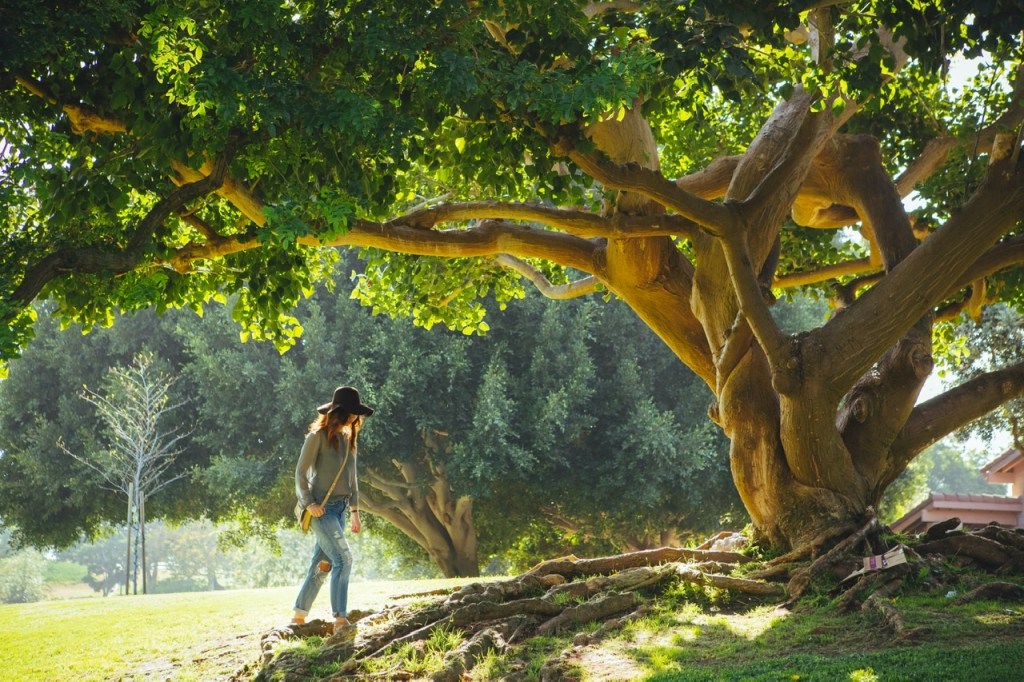
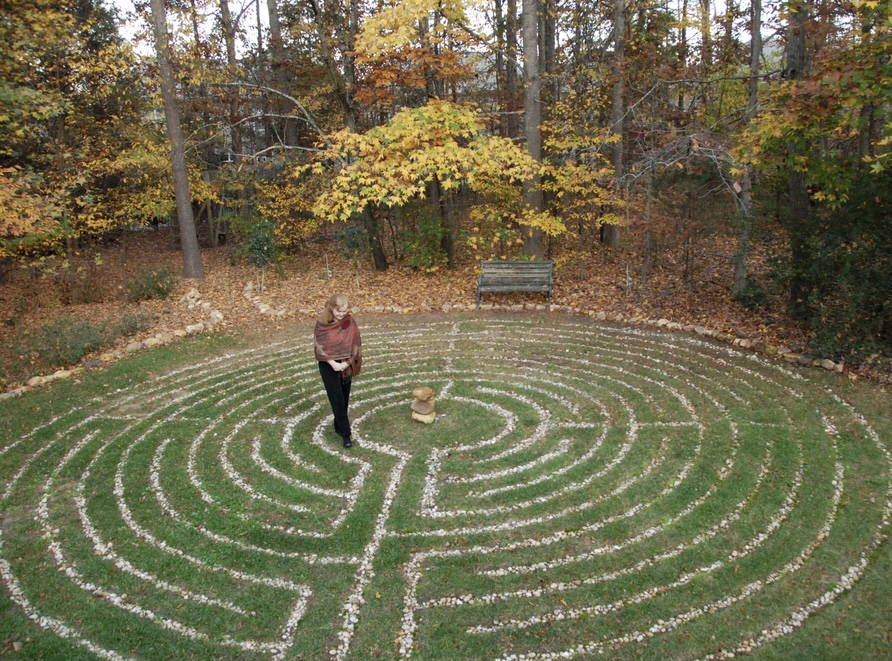
Sacred space is different for every person. Each person will know her/his sacred space intuitively, and by faith. Mine would be under a tree with spreading, low hanging branches or walking my own garden labyrinth.


Your sacred space may be beside the seashore, a place where you find calm, peace, or the ”silence” of the ever-moving ocean. Or you may not require a particular place at all, just a state of mind and an open spirit. If you long for a place of solace, inspiration, or re-creation, you will eventually create a sacred space, either a place that nature has created, a holy place that you have found, or a place you create in your own home. You will know the place, because you will sense what it is doing for your body and soul. Still, you won’t necessarily have to find your sacred space. Your sacred space may find you. And if you have only a few moments each day, make it your sacred pause.

Your sacred space may be beside the seashore, a place where you find calm, peace, or the ”silence” of the ever-moving ocean.


Do not strain to see where your sacred space is or what it should look like. A sacred space has many faces, many facets and dimensions.

Imagine . . .

Once you find your sacred space, spend time there. You may choose to redecorate a quiet place in your home, build something in your garden that can center your thoughts, or find a quiet, beautiful place nearby that you can get to frequently and easily. As for what you do in your sacred space . . . well that will be as varied as the different spaces people choose.

Pray, breathe, sing, meditate, sit in holy silence—whatever you are moved to do is your own sacred moment—a very personal sacred moment. There is, however, one bit of wisdom that seems important—words from Joseph Campbell: “Your sacred space is where you can find yourself over and over again.”


Music for Contemplation

Sacred Space ~ Music for Meditation


Birdsong, Calm, Creation, Fear, Grace, Knowing, Life’s meaning, Listening, Paul Simon, peace, Prayer, Quiet, Reflection, Sacred Pauses, Sacred Space, Self Awareness, Self care, Self-understanding, Serenity, Silence, Simon and Garfunkel, Soul, Soul work, Spirituality, Stillness, The Sound of Silence, Whispers of the Soul, Wholeness

One Day I Listened

I wonder if you would be willing to stop what you’re doing right now and spend a quiet moment with me, just listening? Your time might well be a needed time for you and for your soul.

There is always so much to listen to — traffic, sirens, video game sounds, annoying household noise like the washing machine/dryer, food processor, mixer, fans, buzzers and alarms and the awful sound of the disposal trying to crush that inadvertent chicken bone. These, of course, are not our favorite sounds, but they are the myriad sounds and noises we hear in a typical day.

There are sweeter sounds, too, like the sound of a gentle, falling rain or the sound of rain when it hits hard on the roof; the sound of a gusty breeze as it rustles the leaves on a tree; the sound of a flowing stream, a rolling river and constant, ever-rushing ocean sounds; the flutter of a hummingbird’s wings; the sound of cicadas on a Southern summer night; the sound of a child’s laughter; the sweet, peaceful sound of a purring kitten; and birdsong, always birdsong.

Of course, listening as pure joy is listening to music — quiet music, lyrical melodies, rhythms that slow the pulse, the sound of a bow moving across a cello’s strings, the mesmerizing sound of a harp, the velvet sound of voices in harmony or the enthralling sound of a symphony orchestra.

Sounds fill the space that surrounds us, all the time. What is rarer for us is to hear the sound of silence. Some of us fear the silence or dread silent moments. Others of us avoid it at all costs because the silence tends to bring up whatever we are afraid to hear. So the noise that enfolds us fills the place that might otherwise hear the sighs of the soul — its cries and laments, its laughter, its sound of contentedness. It seems to me that this is the place we long to be, in the soul’s sound chamber where whatever we hear — if we’re listening carefully — is the song of the soul that tells us who we are and why we are.

There is a poem that many of you will remember (if you’re old enough) as a Simon and Garfunkel song from the 1960s. The poem was written by Paul Simon and it presents a frightening picture of the modern world doomed by the lack of spirituality and the people’s aversion to the true meaning of life. It is not so different in these days that spirituality and life meaning can be elusive, no matter how hard we may search for it and yearn for it.

The poem, entitled The Sound of Silence, is written by the voice of a visionary asking people to be serious about the true meaning of life. The poem’s message is that people are moving further and further away from true happiness because they have ignored life’s true meaning. They debate and quarrel about worthless things. They listen to or watch meaningless things. The poet writes that the people “speak and hear without listening. Like we often do?

Throughout its five stanzas, the poem presents the conflict between spiritual and material values. The poetic persona is a person of vision who warns against the lack of spiritual seriousness. The poem begins with an address by the poet persona to the darkness, saying that he has come to talk with the darkness. When he awakens, he says that the vision still remains as the sound of silence.

Some of us fear the silence or dread silent moments. Others avoid it at all costs because the silence tends to bring up whatever they are afraid to hear. So the noise that enfolds us fills the place that might otherwise hear the sighs of the soul — its cries and laments, its laughter, its sounds of contentedness. It seems to me that this is the place we long to be, in the soul’s sound chamber where whatever we hear — if we’re listening carefully — is the song of the soul that tells us who we are and why we are.

The words of the poet . . .

And in the naked light, I saw
Ten thousand people, maybe more
People talking without speaking

People hearing without listening
People writing songs that voices never share
And no one dared
Disturb the sound of silence

And the people bowed and prayed
To the neon god they made
And the sign flashed out its warning
In the words that it was forming
And the sign said,
“The words of the prophets are written on the subway walls

And tenement halls”
And whispered in the sound of silence

All of that trivia about the poem certainly moved us a little farther away from my point, which is that most, if not all, of us have a deep emotional and spiritual need to listen to our souls, really listen. Even if we don’t know it, we long to hear what the depth of our being wants to say to us. We want to find our true selves, a quest only our souls can accomplish. If we are honest, we would say that we want to do the soulwork that leads us out of the darkness of our own making and into a place of light.

When we do carve out a sacred pause, when we wait in the darkness of that silent space, and when we open ourselves to deep listening, we will likely hear God’s whisper. We will probably move slowly out of darkness and realize the promise that as “God’s own people” we will “proclaim the mighty acts of God who called us out of darkness into his marvelous light.”   (1 Peter 2:9)

This is the place we long to be, in the soul’s sound chamber where whatever we hear — if we’re listening carefully — is the song of the soul that tells us who we are and why we are.

— Rev. Kathy Manis Findley

Hearing God’s voice moves us to a deeper experience of life, but hearing our soul’s sighs may take us deeper still, because we open ourselves to self-knowing. It’s not a surface knowing. It is a deep knowing of who it is that lives in our skin. Without hearing the sighs our souls are making, we might never enter into fullness of self. I suggest that only the fullness of who we are can stand before the God who knows us even better than we know ourselves. 

In my own experience, I think that perhaps I cannot be in deep communion with God if I try to face God as my superficial self. Perhaps God seeks relationship with my soul, my deepest place of being. To find and define my soul for myself, to know myself fully, I must find the sound of silence and sit with it patiently and expectantly. Maybe that is the essence of spirituality.

So there are a few lessons in these words and these are the obvious lessons:

  • Limit the harsh sounds in your life.
  • Surround yourself with tender, gentle sounds.
  • Make sacred space and holy time to listen deeply for the sounds that speak to your soul.
  • Listen for God’s whispers. They are important to hear.
  • Always consider what is, for you, the true meaning of life.
  • Listen to your soul — its sighs, its cries, its songs. 

And who knows? If you linger for a while in your sacred listening space, you might just find the very essence of grace by hearing what your soul whispers to you. It will be the most beautiful sound of all.

— Rev.Kathy Manis Findley


One day I listened — really listened. And I heard the whisper of God and the song of my soul. Thanks be to God.


I invite you to hear the poem, “The Sound of Silence,” through music. It can rightly be said that no group or person could ever sing this as well as Simon and Garfunkel, but I thought you might enjoy it covered by a very popular contemporary a cappella group, Pentatonix. 


The Sound of Silence by Paul Simon

Comfort, Contemplation, Emotions, Feelings, God's presence, healing, life, Meditation, Poetry, Politics, Racism, Reflection, Repentance, Restoration, Sacred Pauses, Sacred Space, Silence, Soul, Spirit, Spiritual Discipline, Stillness, Trump, Wholeness

NO MORE AIRTIME, MR. TRUMP!

 D7940A7F-BEAB-4445-B30D-C9739A8076AE

The time for Donald Trump’s airtime is over! In my life, I have no available airtime for him, and I wish the media would follow my example. I’ve heard enough of his rants and tweets. I’ve heard enough of his incendiary speech. I’ve heard enough of his indiscriminate name-calling. I’ve heard enough of his lying. I’ve heard more than enough of his disrespectful, hate-filled, divisive rhetoric. More than enough!

My soul will no longer give Donald Trump airtime. Why? Because often my responses to hearing him were anger, disgust, self righteousness and even hate. And those emotions darken my soul. Those emotions do not belong in my soul at all, because they have a way of displacing love, compassion, gentleness, peace, hope, light and grace — all the good emotions that God plants in the soul through Spirit breath.

I think of the beloved hymn . . .

Holy Spirit, breathe on me until my heart is clean.
Let sunshine fill my inmost parts with not a cloud between.

Breathe on me, breathe on me, Holy Spirit, breathe on me; 
Take Thou my heart, cleanse every part,
Holy Spirit breathe on me. 

— Words by Edwin Hatch, Music by B.B. McKinney

In these days of harmful politics, racial injustice, coronavirus fear and isolation, I need a Spirit-cleansing of my heart and soul. God has been ready to begin the cleansing for a while now. God has heard my repentant prayers admitting anger and hatred. God has waited patiently for me to embrace the stillness that can begin to heal my soul. 

Stillness! Stillness longing for healing. Stillness whispering words of repentance. Stillness yearning for calm. Stillness seeking peace. Stillness waiting in solitude for the presence of the Healer of the Soul.

I’m going there — to that place of solitude where one can breathe slower, sigh deeper, listen attentively to the whisper of God and the breath of the Spirit. I’m going to solitude’s “luminous warmth” as John O’Donohue’s poem in which he describes the soul as the divine space. 

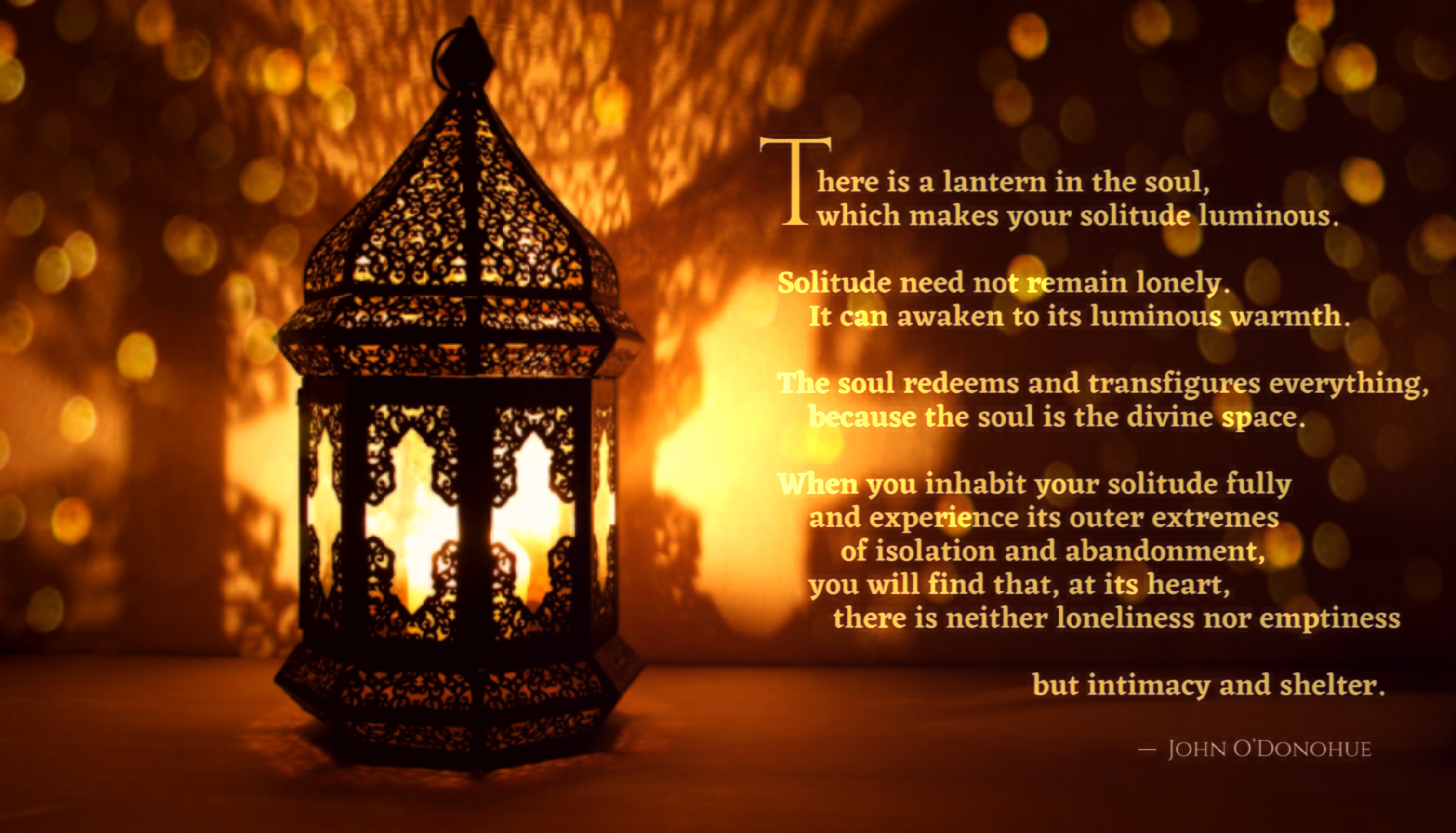
There is a lantern in the soul, which makes your solitude luminous. 
Solitude need not remain lonely. It can awaken to its luminous warmth. 

The soul redeems and transfigures everything
because the soul is the divine space. 

When you inhabit your solitude fully and experience its outer extremes of isolation and abandonment, you will find that, at its heart, there is neither loneliness nor emptiness but intimacy and shelter.

― John O’Donohue, Anam Cara: A Book of Celtic Wisdom

Right now, in the midst of the disheartening mood of the year 2020, I am entering the solitude I desperately need so that I can experience my soul as the divine space it is. 

Politicians, continue your rancor in loud and powerful voice! I will not hear you from my place of solitude, from my soul’s divine space. And as for you, Mr. Trump, I have no further airtime for you. I refuse to sit in front of my television for another minute, anticipating — hoping — that you will finally say or do something appropriate, beneficial, worthwhile, productive, compassionate or kind.

Instead, I will change the channel to more soul-healing television. In fact, I will leave the television altogether and go to a better place, higher ground where peace and silence and reverence and awe can begin the holy work of healing my soul. I am taking a sacred pause from my life that has been so anxious and worried and isolated. I will wait there in that sacred space where my “soul redeems and transfigures everything.” Thanks be to God.

life, Mindfulness, Present moment, Reflection, Rest

In the Graceful Arms of this Present Moment


“Live in the moment.” It is a common admonition I have heard often. “Practice mindfulness,” is a more current admonition that points us to live in the present moment. We are urged to add mindfulness to our vast storehouse of spiritual disciplines. You might wonder what mindfulness means, so I found an answer from a trusted source.

Mindfulness is a mental state achieved by focusing one’s awareness on the present moment while calmly acknowledging and accepting one’s feelings, thoughts, and bodily sensations, used as a therapeutic technique. (psychologytoday.com)

Today, the thought that grabs me comes from Madisyn Taylor, who writes “rest yourself in the graceful arms of the present moment.” (https://www.dailyom.com/cgi-bin/display/inspirations.cgi?view=all )

It is an idea that seems so simple. Yet, resting in the present moment is not always simple. It can be very hard to do, often impossible to do. Sometimes we find ourselves hopelessly  stuck in the past, suffering the soul bondage of its power over us. Dwelling in the past can cause us to languish about no longer having the joys we once enjoyed, the people we loved, the places we used to live, the “best job I ever had.”  The past can also be a haunting place of reliving the past trauma, loss,disappointment or betrayal. Still, there must be an emotionally healthy place to put the past. Perhaps the difference in what we do with the past is a soul struggle between “letting the past have its place” and letting the past have its way. 

I have often let the past have its way in my life as an ominous presence that reminds me of secrets and lies, violence, abandonment, anger and so many other experiences that threaten me through my memories. The critical question I must ask is how do I let the past have its place. What can I do to embrace my past and let it be a guide on my journey, not an oppressor as I walk my journey? I wonder sometimes if I can put the past in its place, no longer allowing it to wield power over my memories and torment my soul. I know It’s worth a try.

And then there’s the future to contend with, that time in life we think we can control although we have no idea what it might hold. The future is unknowable, something to try to envision knowing I cannot. The future can look to us as bright as the sun or as dark as the center of a cave. The future can be dreaming dreams or internalizing dread and fear. The thought that ”the future is taken care of” graces me with a picture of God knowing my future and preparing me to greet it with hope.

“Rest in the graceful arms of the present moment.”

The words bring to mind the many, many times I have sung the beloved hymn, “Leaning on the Everlasting Arms.” 

What have I to dread? What have I to fear, leaning on the everlasting arms?
Leaning, leaning, safe and secure from all alarms.

I think maybe feeling safe and secure, without fear and dread, is exactly what helps us live in the present moment — not rushing through this beautiful life, not missing the real and deep beauty of it. Yet, we persist in pushing our bodies to accomplish its daily tasks without cherishing the workings of the body — its breathing, its moving, tasting and seeing, hearing and enjoying the aromas that surround us. And most often, we fail to pay close attention to the longings of our souls and the promptings of our spirits — what makes us whole, what fills our hearts with joy, what God is saying to us. We simply do not pay close attention to how is God calling us to satisfy both our soul’s yearning and the world’s deepest need.

Like me, perhaps you do not always cherish the present moment enough — all of it — this present moment we have been given by God’s grace. Life passes through us and around us in every passing moment, and we miss it.

And yet, cherishing every moment — our present moment — might just make magic in our lives, filling us with serenity and peacefulness, with lightheartedness and laughter, even bringing us to the honesty of our sorrows and the cleansing power of our tears.

I, for one, want to be continually mindful of my life — every moment of it — in my body, my mind, my world, my soul, my heart, in my yearnings and my sorrows . . . in my dreams and in the deepest desires that fill me with hope.

anxiety, Challenge, Clouds, Comfort, Darkness, discouragement, Faith, Fear, God’s promises, Grace, healing, Heartbreak, Hope, life, Light, Noah, Pandemic of 2020, peace, Prayer, Rainbows, Reflection, Restoration, Sacred Space, Soul, Spirit

On Making Your Own Rainbows

A4907FB5-C512-4C7D-AA48-A1445E359B91

In my kitchen window hangs a small faceted crystal ball. It’s purpose is to hang in the sunlight and make tiny rainbows in my kitchen. When I open the blinds in the morning, the facets on the ball do their job.
AB5CB98D-F367-4BB8-A219-0D201CA5347E

I see about eight small rainbows on the floor — just tiny, insignificant rainbows on the kitchen floor. That’s it!

My first response is, “That’s all you got?”

I had hoped for more, like refracted rainbows all over the kitchen. The little ball hanging in the window apparently needed some human help. So I twisted it several times. When I let it go, the little ball’s gift to me was dancing rainbows, not only on the kitchen floor, but also all over the walls of the kitchen, dining room and living room. Now that’s more like it!

0936BD45-60F2-4663-A251-3FAEC7160D4D

It suddenly occurred to me that I could let the ball just hang motionless in the window, settling for the few rainbows on the floor, or I could twist it and see rainbows in motion creating a celebration all around the walls. So this morning, I made my own rainbows, which is a pretty good mental picture of creating rainbow-like times in life.

It reminds me of part of Noah’s story told in the ninth chapter of Genesis. It’s about the covenant God made with Noah after the great flood had receded. You probably know the story well, but it bears revisiting.

And God said, “This is the sign of the covenant I am making between me and you and every living creature with you, a covenant for all generations to come: I have set my rainbow in the clouds, and it will be the sign of the covenant between me and the earth.

Whenever I bring clouds over the earth and the rainbow appears in the clouds, I will remember my covenant between me and you and all living creatures of every kind. Never again will the waters become a flood to destroy all life. Whenever the rainbow appears in the clouds, I will see it and remember the everlasting covenant between God and all living creatures of every kind on the earth.”

So God said to Noah, “This is the sign of the covenant I have established between me and all life on the earth.”

— Genesis 9:12-17 NIV

EAB02D98-3E58-48CF-B77D-1C2426E32954I never see a rainbow without remembering the story of God’s covenant with Noah. I always remember that God made the rainbow a sign, the sign of a covenant promise.

What does that have to do with me and you? Maybe not much for some. But for some of us — those of us who want to see tangible signs of God’s promises — the appearance of a rainbow means that God still covenants with us, God still makes promises to us and God still keeps those promises. That is God’s grace to us — God’s hope, God’s light, the very peace that comes to us from God.

With that assurance, we are able to make our own rainbows. Yes, in these days we are covered with a terrible, deadly virus, along with the fear it causes us. But we also know that, in days past, we have faced life storms, dark times that threatened to destroy us. And yet, we survived — with scars from old wounds, to be sure — but we weathered each terrifying time and found our way to better days. To survive the worst times of our lives — times when dark, heavy clouds loomed over us — I’m pretty sure we found ways to make our own rainbows.

What does it look like to make our own rainbows? It looks like seeking out a comforting friend, making sacred space for nurturing your soul, owning heartbreak so that you can be open to the healing of your heart, naming in prayer the wounds and scars of your soul so that your spirit can be made whole.

It seems to me that this is what “making your own rainbows” means — being open to healing through whatever ways you find soul-nurturing. Rainbows are not a bad analogy for the living of these days. A pandemic threatens us. We cannot change that, but we can change our response to this dark time. I believe that we really can make our own rainbows. Maybe for me it will simply be the act of twisting the crystal ball in my kitchen window. But if that insignificant act reminds me of God’s promise to be with me, to be in covenant with me, then I think I can make it through another dark time.

I am confident that, if you listen, your soul will whisper to you and tell you how to make your own rainbows — during these troubling days and for all the troubling times you may face on your journey.

May God make it so for you and those you love!

Be well and stay safe.

— KMF

Ash Wednesday, Community, Cross, Introspection, journey, Lent, Life Journeys, Pilgrimage, Rebirth, reconciliation, Reflection, Resurrection, Soul, Spiritual awakening, Spiritual Discipline, Spiritual growth, Transformation

The “Soul’s Insistent Yearning”

8E851EAE-1859-4A68-831D-C2914D9B3213
I have come to know Ash Wednesday as the time to draw nearer to my “soul’s insistent yearning.” That can be a frightening prospect, so I always approach Ash Wednesday with a bit of reticence, meeting the day with the self-awareness that I am trying to keep my distance from my “soul’s insistent yearning.” Being closer to one’s soul can well be a disconcerting proposition, but a necessary one. Ash Wednesday presents me with entry into the season of Lent.

I cherish Lent’s forty days, actually, always expecting change to happen in my soul and spirit. And yet, the prospect of repentance, renewal, transformation — and ultimately a personal resurrection — always disquiets me.

83D4AF68-A9AD-40EC-9D26-F0787CFE6D7BHow will I spend Ash Wednesday?

How will I approach the day
that will open the gate of Lent before me?

I have always thought of Lent as a spiritual journey we take alone, a solitary season of introspection and self-reflection during which we contemplate our own spiritual well-being and our relationship with God. For me, Lent has often been alone work.

So I make my Lenten journey into my alone places. I will know that God will abide with me, comforting me in my self-reflection, in my penitence and in my repentance. I will be mindful this Lent of my need to reach into my soul in search of places needing healing, constant and long-time wounds of the soul and spirit. I will search for the traces of my sinfulness, finding in my heart the will to seek sincere penitence, the sad and humble realization of and regret for my misdeeds. I will move beyond penitence to repentance as I resolve to change and to experience transformation.

How will I spend Ash Wednesday?

In whatever way I am able, I will receive ashes on my forehead imposed in a sign of the cross. I will recall the words, “Remember that you are dust, and to dust you shall return.” I will utter as my prayer, the words of Scripture, “Create in me a clean heart, O God, and renew a right spirit within me.” (Psalm 51:10)

As for the actual ashes, I have often wiped them off while in public. I never knew why, just that I was uncomfortable when others saw the cross of ash on my forehead. Perhaps I needed to keep my spiritual practice to myself, or hide the reality of my search for repentance. Years ago, I came across these words, spoken by Sr. Mary Ann Walsh, RSM:

We can feel a little funny with ashes on our foreheads, but for Catholics, that’s how we mark the start of Lent. Ashes don’t say we’re holy. They say we are sinners. They don’t say we are perfect, only that we’re willing to try. They don’t say we’re models of religiosity, but they do say we belong. In today’s world of loners and isolates, that says a lot.

~ Sr. Mary Ann Walsh, RSM

7FA58B58-0019-4809-B3B9-F956F3B06D7BThe essential truth, and gift, of Ash Wednesday is its call to come to terms with ourselves before God. Ash Wednesday says what so much of modern culture denies, namely that we are forever deceiving and justifying ourselves about our sinfulness. So on this day, when we contemplate our sins, when we pay attention to the ash on our foreheads, when we enter into Lent’s forty days, we must make prayer our utmost spiritual intention. So I pray we might embrace our Christian community that we might journey together for these forty days, praying for one another, seeking together the serenity, the reflection and the transformation of Lent, as all the while, we lean into our “soul’s insistent yearning.”

In that spirit of prayer, I hope you will take with you into Lent with this beautiful prayer from Rabbi Naomi Levy:

The rabbi in me would like to offer a prayer for you.
I pray you will learn to see you life as a meaningful story.
I pray you will learn to listen to your soul’s insistent yearning.
I pray you will learn to believe you can transform your life.
I pray you will learn to live and shine inside your imperfect life
and find meaning and joy right where you are.
Most of all I pray you will uncover a great miracle: your extra-ordinary life.

~ From Hope Will Find You by Rabbi Naomi Levy

Most importantly, pray yourself into Lent in the few days we have before Ash Wednesday. Seek God’s heart and seek the depths of your own heart and your “soul’s insistent yearning.” May you know God’s presence as you begin your Lenten journey.

Adventures, Awareness, Change, Contemplation, Exploration, Grace, Growth, Holy Spirit, Introspection, Life Journeys, Life pathways, Meditation, New Life, Reflection, Spirit wind, Transformation

Uncreated Grace

AA19F30F-F0BC-46B3-9F62-E084BF61258A

I have been reflecting on a phrase I read this morning in Father Richard Rohr’s meditation— Uncreated Grace. It is an intriguing phrase and makes me wonder why I received it at this particular time and place on my journey. I have had a very long journey — many miles of life —- and, in fact, there have been many other forks on the path that seem more sacred places to contemplate uncreated grace. But here it is, today, brought to me at this place on my journey.

As I did some processing on this phrase, I thought of one of my dear friends from ages past, seminary days to be exact. Often, he would share his favorite quotes. This was one of them, an intriguing and thought-provoking quote. This quote always stayed in his favorites file. It hints at a long journey we all must take . . .

We shall not cease from exploration
and the end of all our exploring
will be to arrive where we started
and know the place for the first time.

— T. S. Eliot

We were always left with the question “What do T.S Eliot’s words mean?” Sitting in small groups, the seminarians discussed but never reached an answer, to the question. I imagine that, like me, some of them took the words along with them on their journeys, hoping to discover the meaning at some place of enlightenment on their path.

On my journey, Eliot’s words came to mind many times. Never quite discovering a finite meaning, I did discover infinite applications that touched my life in ways simple and profound. Most always, I came away from reflecting on the words to a better place inside myself and a better space in my world. Still, I wonder why these T.S. Eliot words were brought to my mind today.

The power in these words, I think, is that they are not a directive, not a call to mission, not words of piety, not gleaned from scripture. They are words meant to be understood individually rather than offering a universal message. I identify these words as an invitation, and so today I am left alone with them to intentionally create space for reflection and understanding.

When I do that, I hear many, many other words from different places — from scripture, hymn, poetry, prose and from within myself. It feels like a Spirit encounter, the presence of “another comforter” who will be with us forever, who will, as Jesus promised, “teach you all things, and bring to your remembrance all that I said to you.”

Spirit teaches us and helps us remember. Spirit grounds us so that our circuitous journey will not frighten us. We are free to never “cease from exploration,” because we are comforted to know that we will “arrive where we started . . .”

9889AA3B-16BB-4F9F-9B56-D883A74A49AEAnd know the place for the first time . . .
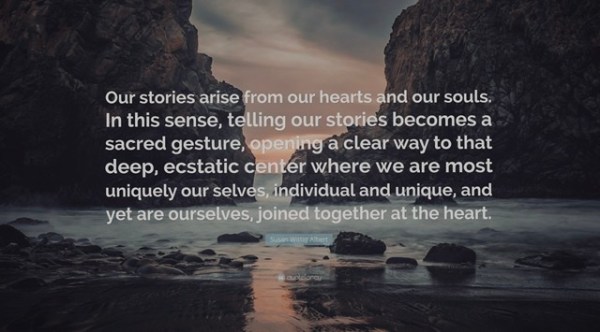
When the journey leads us back to where we started, how is it that we “know the place for the first time?” I urge you to not take my interpretation as the correct one, because I believe that a “correct” interpretation comes from the soul of each person who chooses to explore. But here is an understanding based on my own musings . . . we can take what comes in our lives, or we can explore places on the journey — our encounters, our joys and sorrows, our events and calamities, our crises and emotions, our disappointments and betrayals, the chance and the wonder.

For me, there is no doubt that exploring all of these life events brings that sense of getting back to the beginning and truly knowing the place for the first time, not necessarily because the beginning place has changed, but that I have changed. The Spirit’s holy breath transformed me with gentleness again and again, transformed by the blowing of Spirit wind into my being.

Father Richard Rohr says that “the Holy Spirit is never created by our actions or behavior. It is naturally indwelling, our inner being with God. In Catholic theology, we called the Holy Spirit “Uncreated Grace.”

How I love those words . . . Uncreated Grace! Perhaps that’s what we all hope for in our explorations on the journey — that in us and through us, there is Uncreated Grace. If we present to the Spirit our selves as uncreated grace, I wonder if Spirit then creates grace within us again and again and again, all along the way. If we never cease from exploration, presenting ourselves as uncreated grace, the Holy Spirit will breathe on us and we will be transformed!

No wonder we know the place where we started for the first time! The place hasn’t changed, we have changed, transformed in our deepest places!

Thanks be to God and to the touch of Spirit breath. Amen

Community, Emotions, Fear, Freedom, Friendship, God's Faithfulness, Grace, healing, Heartbreak, Introspection, Loss, Memories, New Year, Reflection, Rootedness, Stories, Vulnerability, Wholeness

Telling Our Stories

C9DDA313-A81D-4148-8B30-33C313F12802

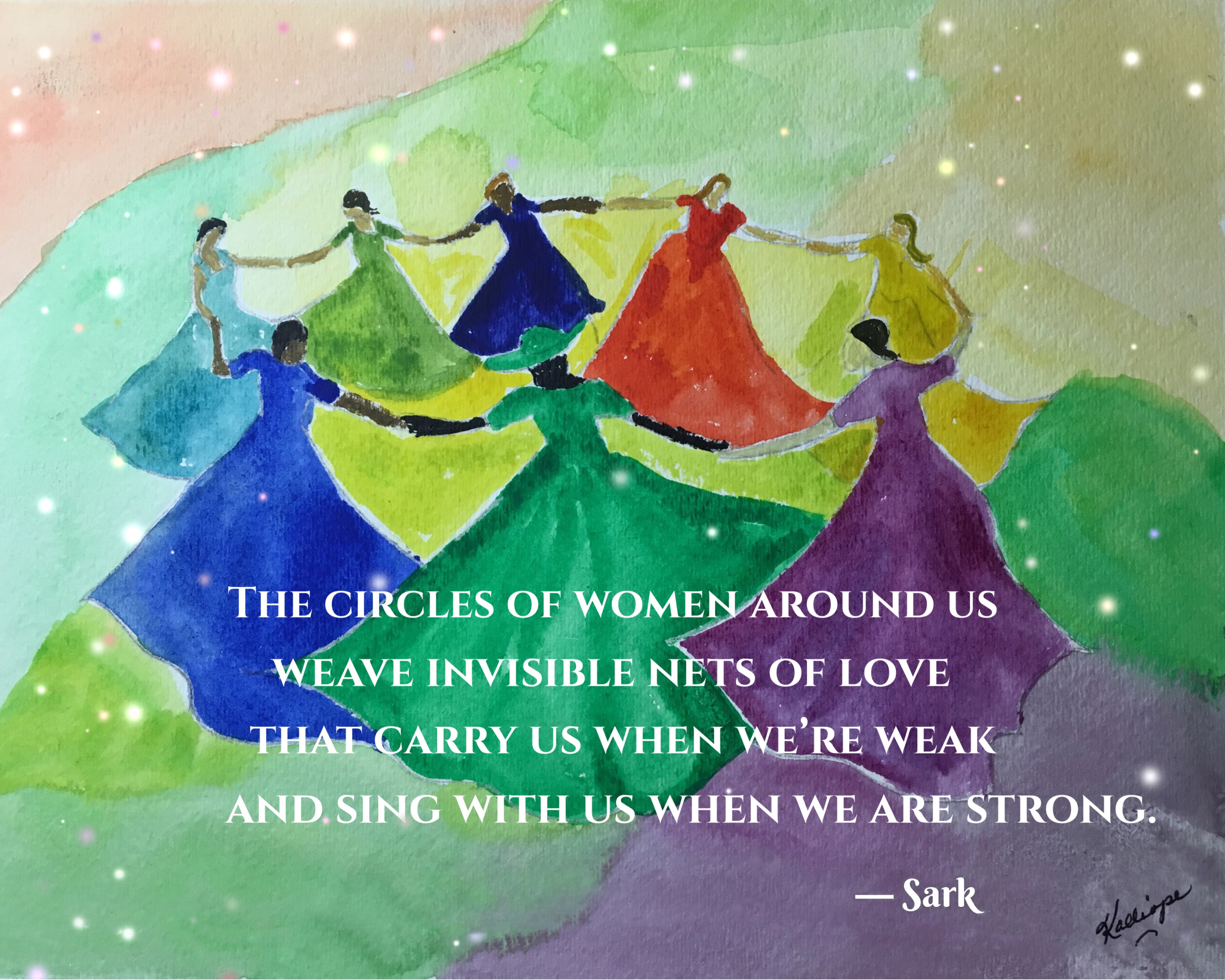
Looking back at the passing year, I am deeply grateful for so many things. Among them is the circle of sisters who listen to my stories so many times and hold me in the light. They are my spiritual community. They “weave invisible nets of love.” They hear my stories with compassion, caring, love and genuine acceptance. They listen, and through their listening, they affirm my soul-place where my stories live.

We are our stories. Our children gain their sense of personhood when they hear their family stories and begin to tell their own. My sense of “me” is entwined with the stories about my parents, grandparents and great grandparents, stories that I have heard over many years and embraced. The stories are origin and memory, history and nostalgia, truth and myth, and as Rachel Held Evans wrote, the stories are a “cautionary tale.” The stories, at least as an adult, have made a place in my soul, teaching me who I am so that now I hold my stories in my heart.

It is sad when we are socialized to keep our stories close to the vest, when we are cautioned not to tell our stories to just anyone. After all, aren’t our stories personal information, meant to be private? That could be our choice, and it is true that telling our stories might make us vulnerable with another person.

But oh, the joy of finding spiritual community and, in community, to find safe and sacred space to share our stories! I have found such communities over the years. Sometimes the community was sharing with just one person. Other communities through the years were made up of a four or five friends. These days, my spiritual community is a cherished circle of caring and loving sisters.

In her final book, “Inspired: Slaying Giants, Walking on Water, and Loving the Bible Again,” Rachel Held Evans wrote this about our origin stories:

The role of origin stories, both in the ancient Near Eastern culture from which the Old Testament emerged and at that familiar kitchen table where you first learned how your grandparents met, is to enlighten the present by recalling the past. Origin stories are rarely straightforward history. Over the years, they morph into a colorful amalgam of truth and myth, nostalgia and cautionary tale, the shades of their significance brought out by the particular light of a particular moment.

In many “particular moments,” I have shared some of my stories with my sisters, watching “the shades of the stories’ significance” emerge within me and with my community. My stories were “brought out by the particular light of a particular moment.” 

8B645361-2CE0-4762-B90F-D317010DA520Sometimes our stories are stories of sheer joy, but sometimes our stories are about loss, pain, heartbreak, fear or the devastating effect a particular traumatic event had on us. That’s when we hold our stories inside, fearing that telling would bring the pain back with a vengeance.
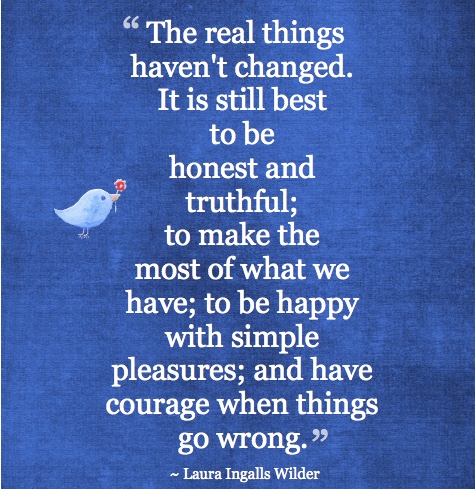
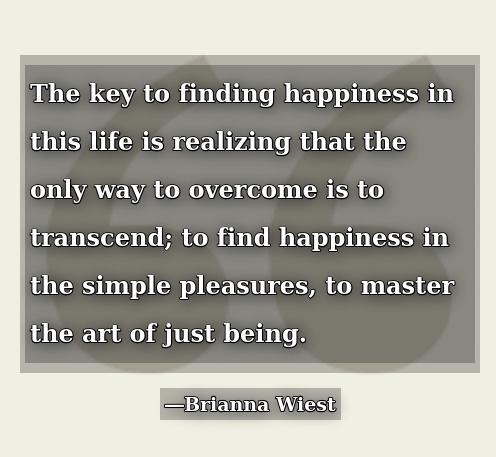

But when we protect our stories, holding them in a private place within us, we miss the healing power of being heard by another person of compassion, caring, acceptance and love. We also miss the pure joy of having been cared for by another person. That experience brings us to our spiritual center, healing old wounds of the soul and spirit; giving us the possibility of experiencing life without the pain of the past. That is God’s gift to us.

There is no better way to end the old year and begin the coming year than to tell our stories of the past, the memories we hold in our hearts, to accept God’s gift of freeing our hearts as we open ourselves to others. That’s a gift worth having! That’s a gift of grace that God wants us to have. That’s a gift that God offers us right now. If we are willing, God is able. Amen.

Acts 42, anxiety, Awareness, Beauty of Nature, Birdsong, Creation, Faith, Fear, Grace, healing, Hope, Humbug, journey, Life Journeys, Light, Mindfulness, Nature, New Year, peace, Quiet, Reflection, Self Awareness, Self care, simple pleasures, Soul

Finding Simple Pleasures

EF207F13-682F-4572-BB5B-F4AAAB1EDA50
A Saturday of football — what a simple pleasure! I am a fan of certain teams (Roll Tide!), but I am definitely not a football fanatic. And yet, this morning while half-watching Sportscenter, I realized that watching with Fred, not having to focus that much, resting in the ordinary seemed like a simple pleasure.

There are many simple pleasures, of course, far more soulful than watching football — taking a walk in the splendor of nature, listening to birdsong, snuggling with your puppy, looking up at the night’s moon and stars, taking a walk on a labyrinth’s spiritual path . . . There are so many more simple pleasures in life, and most of them do not even require a trip to the grocery store. They cost us nothing, but their worth is priceless.

These are the simple moments that caress the soul, bring peace and calm to the heart and enliven a wounded spirit. These moments, and others like them, are the moments we desperately need, especially in times when we are burdened with the weight of the world, languishing in darkness.

I have learned some things about a wounded spirit: that woundedness happens to all of us; that “dark nights of the soul” happen to everyone at some time in life; that the wounded spirit does not always require sophisticated remedies; that a simple pleasure is sometimes all it takes to begin a healing journey.

The important factor is self-awareness, being mindful of the soul’s health, accepting the reality that healing will require us to self-intervene and that our intervention could begin with entering into a simple pleasure. One worthy New Year’s resolution is to intentionally identify the simple pleasures that feed our souls and then to allow a simple pleasure to enfold us in contemplation.

Normally, I would say “bah humbug” to New Year’s Resolutions that we make, break, and then feel guilty about for an entire year! But a resolution to discover the simple pleasures that give us life is one worthy resolution. So I challenge you to look and listen for the simple pleasures that are “you,” and to hold them near whenever you are experiencing a “dark night of the soul.”

“There comes a time when both body and soul enter into such a vast darkness that one loses light,” wrote Mechtild of Magdeburg. There comes a time when the soul “sinks down into the night.”

Her words are the words of one who knew spiritual journey and seasons of darkness. There is no doubt that at some time throughout your life, you will find yourself traveling the spiritual night. I do know this within my place of deep knowing: when I give myself to spiritual journeying, allowing myself the peace of a simple pleasure that calms my spirit, I realize that God always invites us beyond where we are.

God guides us on the spiritual journey that sometimes means winding through a dark wood. The darkness may frighten us, but it is a necessary part of the trip. When we panic in the darkness, we must try to understand that it’s a holy dark and that the idea is to surrender to it and journey through until we reach God’s light.

And then on to simple pleasures!372C6D47-6761-412E-AACF-420F5B1EE76D

God will be present beside us —- in the light of simple pleasures and in the soul’s dark night.

That is the gift, the grace, that God has freely given to us, and for that we give thanks.

Advent, Angels, Belief, Bethlehem’s Star, Candlelight Service, Celebration, Christ Child, Christ’s Birth, Christmas, Christmas Eve, Church, Community, Contemplation, Faith, Hope, Mary, Mystery, peace, Reflection, Stars, Worship

“Within Reach of Our Full Personhood”

Nativity scene, Christmas star on blue sky and birth of Jesus, illustration
The Twenty-Fourth Day of Advent

Christmas Eve
December 24, 2019

As I near the end of Advent 2019, I am contemplating what these Advent days have taught me. Am I closer to God in deep relationship? Have I spent time in contemplation and prayer? Was I so preoccupied with my surgery and recovery to even think about Advent? Did I experience Advent as a time of waiting, expectation, preparation and hope in the coming of the Christ Child? Did I experience Advent at all?

You might ask yourself questions similar to these. They are questions all of us would do well to answer. As for me, I fully resonate with the statement in Ann Weems’ poem: “we are on our knees, where we are within reach of our full personhood.” Isn’t that part of what Christ’s coming was about — to place before us the hope of reaching our full personhood?

As you contemplate that, read a part of Ann Weems’ poem, “The Church Year.”

For no matter how long the darkness,
God will send the light.
In spite of cursing and violence and the massacring
of human dignity,
we will dance in the streets of Bethlehem,
for He will be born!

We search for something more.
And — of all unlikely places
in a stable
the Deity appears.

The borning of our Lord
bursts in upon our ordinary lives
like fireworks in the snow.
Only God would send a little baby King,
and we are on our knees,
where we are within reach of our full personhood.

— Ann Weems

What else can be said on this Eve of Christmas? We sit with a miracle story, an event marked by angels and the brilliance of an unusual star. We gather together in churches around the world, where we sit together in candlelight and contemplate the birth of the Christ Child, the One who came for us, the One who “became flesh and dwelt among us. We have seen His glory, glory as of the only begotten from the Father, full of grace and truth.“ (John 1:14)

I wonder why we gather for candlelight services on Christmas Eve. I think it’s because we want to experience the holy; we want to contemplate the mystery of a young girl who gives birth to the Christ Child; we want to hear the singing of angels and see the sparkling beam of an unusual star in the night sky;  we want to be together in community because, in our heart of hearts, we truly believe that it is here, together, we will be “within reach of our full personhood.”

It is God’s holy mystery, and we are invited to enter and to see the Christ Child as if it were our very first time; to hear angel song as if it were our first time; to gaze upon Bethlehem’s star as if we had never seen it before. That is the mystery: that Christ is born unto us again and again — God Incarnate, the hope of all nations and hope for our hearts. My gift to you is a video of a beautiful Christmas carol, “Candlelight Carol” written by John Rutter. Particularly if you, like me, are unable to attend a Christmas Eve service, this lovely carol might speak to your spirit and give you peace. After the lyrics, you will find the video. Happy Christmas Eve to you all

How do you capture the wind
On the water?
How do you count all the stars
In the sky?
How can you measure the love
Of a mother?
Or how can you write down
A baby’s first cry?

Candlelight, angel light
Firelight and starglow
Shine on his cradle ’til breaking of dawn
Gloria, gloria, in excelsis dear
Angels are singing, the Christ child is born

Shepherds and wise men will kneel
And adore him
Seraphim round him their vigil will keep
Nations proclaim him their Lord
And their Savior
But Mary will hold him, and sing him to sleep

Candlelight, angel light
Firelight and starglow
Shine on his cradle ’til breaking of dawn
Gloria, gloria, in excelsis deo
Angels are singing, the Christ child is born

Find him at Bethlehem laid
In a manger
Christ our Redeemer asleep
In the hay
Godhead incarnate and hope
Of salvation
A child with his mother
That first Christmas Day

Candlelight, angel light
Firelight and starglow
Shine on his cradle ’til breaking of dawn
Gloria, gloria, in excelsis deo
Angels are singing, the Christ child is born.

Advent, Angels, Belief, Bethlehem’s Star, Call, Christ’s Birth, Discernment, Here I am, Lord., Hope, Joy, Kneeling Places, Love, Memories, peace, Reflection, Stars

“In Search of Our Kneeling Places”

DBD1A3AF-D9E4-40CB-A77F-D8CFB3E0E6FB

The Tenth Day of Advent.
December 11, 2019

IN SEARCH OF OUR KNEELING PLACES

In each heart lies a Bethlehem,
an inn where we must ultimately answer
whether there is room or not.
When we are Bethlehem-bound
we experience our own advent in his.
When we are Bethlehem-bound
we can no longer look the other way
conveniently not seeing stars
not hearing angel voices.
We can no longer excuse ourselves by busily
tending our sheep or our kingdoms.

This Advent let’s go to Bethlehem
and see this thing the the Lord has made known to us.
In the midst of shopping sprees
let’s ponder in our hearts the Gift of Gifts.
Through the tinsel
let’s look for the gold of the Christmas Star.
In the excitement and confusion, in the merry chaos,
let’s listen for the brush of angels’ wings.
This Advent, let’s go to Bethlehem
and find our kneeling places.

— Ann Weems

The words of Ann Weems this morning seem to call us to Bethlehem. Perhaps the call intends for us to remember more clearly the birth of the Christ Child, the incarnation of God. Perhaps this call wants us to focus more fully on what this Child’s birth really means for us. Perhaps the call wants us to find our kneeling places, those places that enable us to open ourselves to God’s presence in us, God’s call to us.

When, in your own kneeling place, have you responded to a call from God? Was it a call that would change your life? Was it a call that you could only answer by saying, “Here am I. Send me.”

Among all the meanings of Advent is a call to watch, to wait, to worship, to be full of expectation, to rejoice in the birth of the Christ Child and to offer our lives to God. Advent is a call to find our kneeling places.

So I am thinking today about the many ways God has called me through the years. Some of those calls became divine appointments for me. Some were hard calls, risky and frightening. Some were calls that I answered with an immediate “Yes!” There were calls that summoned me to find my kneeling places. One specific call is the one that emerged from my most impassioned, fervent kneeling place. It was the call that asked, “Whom shall I send? And who will go for us?”

To respond “yes” to that call required extended time spent at my kneeling place. To respond “yes” to that call would alter the course of my life. Looking back, I can see that saying “yes” to that call call brought me life’s deepest sorrows and matchless joys. That call from God was to be transformative for me, transcending whatever I had imagined. I vividly remember that call, and from my kneeling place, I answered, “Here I am, Lord.”

“Here I am,Lord!” Those words from my heart would bring a plethora of emotions in the months that followed — through times of testing, disparagement, condemnation, criticism, disappointment, struggle, and eventually, peace. Thinking back to my ordination service brings a host of special memories: my friends and family gathered for the holy service; the church family that laid hands of blessing on me; my husband and my best friend singing words I remember to this day.

Here I am, Lord.
Is it I Lord?
I have heard You calling in the night.
I will go Lord if You lead me.
I will hold Your people in my heart.

I, the Lord of sea and sky,
I have heard my people cry,
All who dwell in dark and sin
My hand will save.

I have made the stars of night.
I will make their darkness bright.
Who will bear my light to them?
Whom shall I send?

I, the lord of wind and flame,
I will tend the poor and lame,
I will set a feast for them,
My hand will save.
Finest bread I will provide
Till their hearts be satisfied.
I will give my life to them,
Whom shall I send?

— Songwriters: Anna Laura Page / Daniel L. Schutte; Based on Isaiah 6:8 and 1 Samuel 3

If you like, take a few minutes to view the video of this song, reflecting on the words and their meaning for you.


And so it was, from my kneeling place, I answered God’s call: “Here I am, Lord!”

The season of Advent calls us in a voice just as compelling to find our kneeling places . . .
to focus on Advent’s promises of hope, peace, joy and love,
to wait in anticipation for the birth of our Savior,
to lift our eyes and sing with the angels, “Hallelujah!”

Amen.

Advent, anxiety, Bitterness, Darkness, Despair, Exhaustion, Faith, Fear, grief, Guilt, healing, Hope, Light, Loss, Mental health, Mourning, Pain, Perseverance, Reflection, Sorrow, Soul, Suffering, Unfaith, Weeping, Worry

Dark Night or Advent Light

DF745CFF-118C-480C-B837-0A81F4520CEA

The Second Day of Advent
Transplant Day Twenty-One
December 2, 2019

THE CHRISTMAS SPIRIT

The Christmas spirit
is that hope
which tenaciously clings
to the hearts of the faithful
and announces
in the face of any Herod the world can produce
and all the inn doors slammed in our faces
and all the dark nights of our souls
that with God
all things still are possible,
that even now
unto us
a Child is born!

What could this beautiful poem titled The Christmas Spirit possibly have to do with my recent kidney transplant? At first glance, not much. But lingering on the poet’s words made some of them leap from the page for me. I have to admit that the words most piercing to me are these: “. . . all the dark nights of our souls.”

Guilt overwhelmed me after the transplant was complete. I was back in my room six hours after the surgery — barely awake, a little confused, exhausted, in pain and, they tell me, very quick-tempered. I yelled at my husband, something I may have done twice in 50 years of marriage. The truth is I was feeling covered with a blanket of guilt. The nurses, my surgeon, my family were all celebrating the transplant miracle. I was in pain, second-guessing my decision to even have the transplant in the first place and feeling guilty for not acknowledging the miracle everyone else saw.

For the next two days, every person on my transplant team who came to see me entered my room with a large smile and expressed one word, “Congratulations!” said with joy in a most celebratory voice. All the while, I was often weeping pain’s quiet tears. I stared at each congratulating person with a little bit of concealed contempt. In my mind, if not on my lips, was a response that went something like this: “Congratulations? Do you have any idea what kind of pain I am experienced right now? And have you had this surgery yourself? Save your congratulations for another day!”

The physical pain was very real and very intense. The soul pain hurt even deeper. Body and soul — the physical, spiritual and emotional — were so intricately fused together that it was all but impossible to isolate or separate them. Is this just physical pain? Is part of it emotional pain? Am I experiencing, heaven forbid, a spiritual crisis? I found no way to tell. For me, it was pain in all three parts of me and that made it almost intolerable.

For two nights, I did not sleep at all — awake all night, feeling alone, abandoned and in a wrestling match with my pain. As I went over and over in my mind all the reasons I had for getting a transplant, my thoughts morphed into a fairly clear “What have I done?”

It felt so much like a dark night of the soul as I grieved my aloneness and isolation, mourned the loss of my previous life and felt deep fear of the dark, unknown path ahead. And all of those points of crisis made me feel that guilt for not being grateful for the living gift of a kidney.

As Ann Weems’ expresses in the poem, “Hope tenaciously clings to the hearts of the faithful and announces in the face . . . of all the dark nights of our souls, that with God all things still are possible, that even now unto us a Child is born!”

Twenty-one days separated from my transplant, I am able to attest that hope does cling tenaciously in my heart, that hope announces in the face of the dark night of my soul that with God, all things are still possible. And most importantly, “Unto us a Child is born!”

Into me a Child is born, and that presence empowers me to walk through my soul’s darkest night into the light that Advent brings.

Thanks be to God.


anxiety, Comfort, Complaints, Emotions, Faith, healing, Hope, Introspection, Pain, Perseverance, Positivity, Reflection, Suffering, Trust

On Roses and Thorns

A2C14468-E515-4C60-81A6-D9D8A6256D84

Transplant Day Eighteen
November 29, 2019

There is always more than one way to experience an event, a setback, a difficult season of life. “Look on the bright side,” is a common admonition. Or “count your blessings.” Or “consider the alternative.” And that is just naming a few of the many pieces of advice people have offered me in the past few weeks. Problem is, I am at a time of life when I really don’t want to hear all the “good” advice. I have a retort, expressed out loud or just in my mind, that asks, “Have you walked in my shoes?”

Of course I know the answer to that — no one has walked in my shoes. No one knows how I feel, or how deeply I am languishing. No one understands well enough to give me positive admonitions. The truth is twofold: one) that other people are giving me positive affirmation because they truly care; and two) ultimately I will have to work out my own ways of coping and getting to the point of feeling positive again.

It’s a process, and not an easy one. It takes introspection, being gentle with myself and a good amount of positive self-talk. In a way, I am doing exactly what others are trying to do for me. I am contemplating the same positive advice others have given me. I get into my inner self and I think through positive admonitions and even simple platitudes designed to lift my spirit.

Sometimes it works. Sometimes not so much. It depends upon so many factors, at least for me. How is my pain? Do I feel worried or anxious? Do I feel as if my body is healing? Do I feel cared for? Are my medications playing havoc with me? Do I believe I can live with my limitations and restrictions? How close is my relationship with God? How positive is my outlook on life? How strong is my faith and do I feel hopeful about the future?

I read many years ago one of those simple platitudes designed to help create a positive outlook. 

We can complain because roses have thorns or rejoice because thorn bushes have roses.

I copied it. I rendered it in calligraphy. I looked up its origin. As I contemplate it in the suffering of this post transplant season, I can’t help but believe that it must have affected me in some positive way because I have remembered it for more than 25 years.

So it’s essentially a choice I have to make — complain about the thorns or enjoy the roses. It’s not a bad life lesson to tuck into my heart and sit with for this difficult season of my life.

Oh, and by the way, most of the time when people offer me positive encouragement, I feel loved and cared for. I feel their compassion and the hope they lift up before me. I am grateful for that and for them.

anxiety, Awakening, Awareness, Challenge, Change, Community, Contemplation, Despair, Discernment, Discovering, Emotions, Epiphany, Friends, healing, Hope, Illness, Inspiration, Introspection, Kidney Transplant, Knowing, Life Journeys, Life pathways, Meditation, New Normal, Pain, Perseverance, Reflection, Relationship, Restoration, Rhythm, Soul, Spiritual Direction, strength, struggle, Suffering, Transformation, Troubles, Wholeness, Wisdom

Spiritual Direction

E82BA236-43E0-4EDA-B57B-4E7F6E31779A
Transplant Day Thirteen
November 24, 2019

I have been offered a blessing. From a stranger. 

I met this kind person through a group of clergywomen called RevGalBlogPals. She is a spiritual director from British Columbia. Through the RevGalBlogPals Facebook group, she happened upon parts of my transplant journey in my blog posts. She began praying for me. Then she offered me the gift of spiritual direction as I pass through this complicated time in my life. 

9299C4C7-3373-43D8-A11E-C2349150F942It has been several years since I worked with a spiritual director, so I was very humbled and thankful to hear from her. These were the words of lovingkindness she wrote to me in our first session.

May you feel the gentle touch of Spirit in this session.
May you know that I am holding you in healing Love.
May you be reminded of your worth and strength…
As you rest.
~ This is spiritual direction when pain does not allow for words.

Burning BushOn the day I received her message, it was so true that pain did not allow for words. The assault on my body was unspeakable on that day. I remember when many years ago my husband’s cardiologist came into his hospital room a few days after his heart surgery. The cardiologist said this: “Let’s look at this terrible thing we’ve done to you.”

His words resonated with me post transplant when, in the throes of struggle and pain, I definitely was looking at the terrible thing they had done to me. I could not quite see a brighter, pain-free future. I could only focus on the physical systems that were in complete disarray after the transplant. It did not help when medical staff told me it was all normal. The way I was experiencing it all was far from normal.

I wondered if I would ever live “normal” again. Or if perhaps I would live into a new normal of life after receiving a transplanted organ. I was not sure, and definitely not confident, that all systems would levelize into something I could tolerate. My spiritual director’s wisdom knows that to have physical normalcy, I must also seek emotional and spiritual normalcy. That would mean healing wholly — from the outer visible body to the inner invisible one. It would mean transformation. It would mean living my life while watching constantly and diligently for any sign that something was physically wrong.

Red Wooden Directional Arrow Signs In Green Forest BackgroundWhen my spiritual director suddenly appeared, I knew that she would help me explore my spiritual state, entering into community with me and pointing to the healing I could not yet see.


Thanks be to God for the beloved community she has offered me, community that forms in unexpected places, in unexpected times, just when I needed community the most.

Activism, Awakening, Brokenness, Christian Witness, Community activism, Compassion, Contemplation, Hope, Immigration, Injustice, Introspection, Justice, Ministry, Mysticism, Politics, Reflection, Repair the world, Social justice, Tikkun Olam, Violence against women and children

What does the world need?

256F00BB-10F5-4D89-93E1-FD4534BFCD0F
“To repair, heal the world” by artist and calligrapher Michael Noyes http://www.michaelnoyes.com/gifts/religious/jewish-judaica/tikkun-olam-to-repair-heal-the-world

What does the world need?

What do I have to give in a broken world? 

I have asked myself these questions before — many times before. I have asked these questions when teaching classes and writing my blog. I have asked these questions in a sermon — actually multiple sermons. So one might expect that, through my sermon preparation through Biblical study and other research, I might have found an answer by now. I have not. Because my finding the answer is as complicated as the myriad places of brokenness i see in the world around me.

Of course, I have to pay attention to the image of a hungry child, a refugee family at the border, entire African villages that subsist without clean water, the violent streets in cities across the United States, the mother protecting her children from abuse and herself from domestic violence, racially motivated hate crimes that terrorize, the climate crisis that to some is so real and to others just a hoax, the active shooters that have terrified school children and threatened life at many other places where people are vulnerable. I can continue this list into perpetuity.

But then I have to acknowledge the more insidiously evil side of the world’s brokenness — not the actual broken places, but the injustices that create them. I have to be woke to the societal and political forces of greed that deny complicity in the oppression of the most vulnerable among us. 

So when I ask myself the question, “What do I have to give in a broken world?” I am really asking if I will: 1) personally tackle a person’s specific need; 2) seek radical change of the societal and political forces that cause oppression; 3) become both a political activist and a compassionate hands-on Samaritan; or 4) engage in a contemplative life by getting in touch with the mystic inside that prays and longs for an end to every form of brokenness.

If I were a mystic, if could pray away the brokenness, I would most assuredly enter my prayer closet and do so. Admitting to being a mystic, though, is slightly uncomfortable. I’m not completely sure what a mystic is or what a mystic does. And isn’t being a mystic reserved for monks and nuns? 

Richard Rohr is my go-to person on the duality of action and contemplation. One can find in his meditations —every day — the inseparable link between our compassionate acts and the inner spiritual work that drives us. Matthew Fox writes:

Deep down, each one of us is a mystic. When we tap into that energy we become alive again and we give birth. From the creativity that we release is born the prophetic vision and work that we all aspire to realize as our gift to the world. We want to serve in whatever capacity we can. Getting in touch with the mystic inside is the beginning of our deep service.

“Our gift to the world,” he writes. And all around that “gift,” he lifts up prophetic vision, the energy to come alive, touching our inner mystic and engaging in deep service to people and places of deep need. I can never broach this subject of a broken world without revisiting the Jewish concept known as Tikkun olam – “repair the world,” that manifests itself in acts of kindness performed to perfect or repair the world. The phrase — found in the Mishnah, a body of classical rabbinic teachings — is often used when discussing issues of social policy, insuring compassionate remedies to those who may be at a disadvantage.

As for me . . . I really do want to touch my inner mystic, to enter into a silent, deep inner space that compels me to serve humanity. I also want to enter a place of tikkun olam. I want to repair the world and tangibly care for the persons who have need. Is it even possible to do both? Isn’t it imperative for a follower of Jesus to do both? Is it not because of the hope of the Good News in Christ that I must be about ministries of compassion and justice?

It seems pretty clear when reading the words of Jesus that caring for broken persons in a broken world is most certainly a compassionate imperative. 

When the Son of Man comes in his glory, and all the angels with him, then he will sit on the throne of his glory. All the nations will be gathered before him, and he will separate people one from another as a shepherd separates the sheep from the goats, and he will put the sheep at his right hand and the goats at the left. 

Then the king will say to those at his right hand, “Come, you that are blessed by my Father, inherit the kingdom prepared for you from the foundation of the world; for I was hungry and you gave me food, I was thirsty and you gave me something to drink, I was a stranger and you welcomed me, I was naked and you gave me clothing, I was sick and you took care of me, I was in prison and you visited me.” 

Then the righteous will answer him, “Lord, when was it that we saw you hungry and gave you food, or thirsty and gave you something to drink? And when was it that we saw you a stranger and welcomed you, or naked and gave you clothing? And when was it that we saw you sick or in prison and visited you?” 

And the king will answer them, “Truly I tell you, just as you did it to one of the least of these who are members of my family, you did it to me.”

— Matthew 25:31-40 New Revised Standard Version (NRSV

It’s just downright confusing and complex. Bottom line is this: I have no idea how to repair the world or how to get in touch with my inner mystic. But I also do not want to be permanently consigned to the goat-group mentioned in this Gospel text! I would rather struggle to figure out what I must do to care compassionately for my brothers and sisters and to get in touch with the contemplative mystic that makes me come alive.

Sound advice comes from a plethora of good and wise people. This time Howard Thurman gets the last word:

Don’t ask what the world needs. Ask what makes you come alive and go do it, because what the world needs is people who have come alive.

May God make us people who have come alive. Amen


F9FA5D3C-53F0-4043-8A72-F9E2D63F7349

On another note, please pray for me as I look toward my kidney transplant currently scheduled for November 12th at Mayo Clinic in Jacksonville, Florida. I am so grateful that you are walking with me on this journey that often felt so frightening. Your thoughts and prayers mean so much. If you would like to read the story of my illness, please visit the Georgia Transplant Foundation’s website at this link:

://client.gatransplant.org/goto/KathyMFindley

“Go Fund Me” page is set up for contributions to help with the enormous costs related to the transplant, including medications, housing costs for the month we have to stay near the transplant center, and other unforeseeable costs for my care following the transplant. If you can, please be a part of my transplant journey by making a contribution at this link

https://bit.ly/33KXZOj

Community, Division, Friendship, Grace, Kindness, Nature, Prayer, Reflection, Relationship, Respect, Transformation

“Always Stay Humble and Kind”

0435A7FB-18AC-4222-A445-B6B10556EC50
Even the earth’s creatures find ways to get along. Refusing to follow the lovely example of the giraffe and the butterfly, we seem to be having a big problem with getting along. Now we have to admit that the giraffe and the butterfly could not be more different from each other, but somehow the butterfly lands safely on the giraffe’s snout. It’s a reminder of the image we have loved for so long — the lion lying down with the lamb — a symbol of peaceful times.

We do not typically have that kind of peaceful relationship with those who are not like us, and in these days, we do not enjoy peaceful times. It’s nothing new, really, but we are infinitely aware that our country is polarized along partisan lines. Neither side trusts the other. Respect for one another is flagging. Kindness is in short supply. 

But this is not a commentary on current politics. Instead, I want to talk about being humble and kind to one another. One of my favorite singers, Tim McGraw, sings the song “Humble and Kind,” a gentle, sweet song written by Lori McKenna. The song’s simple lyrics remind me that kindness still exists.

Hold the door, say please, say thank you;
Don’t steal, don’t cheat, and don’t lie;
I know you got mountains to climb but
Always stay humble and kind.

When those dreams you’re dreamin’ come to you,
When the work you put in is realized,
Let yourself feel the pride but
Always stay humble and kind.

Go to church ’cause your momma says to,
Visit grandpa every chance that you can,
It won’t be a waste of time,
Always stay humble and kind.

Don’t take for granted the love this life gives you
When you get where you’re going.
Don’t forget turn back around,
Help the next one in line,
Always stay humble and kind.

I have to ask myself what I must change about my life in order to be more humble and kind. What must happen within me to enable me to offer unconditional grace to others? I almost feel ashamed that I need to ask myself such questions, but the truth is that any person can be socialized by her environment. If I constantly watch on my television the cynical, disrespectful actions of one person towards another, that exposure might well affect the way I relate to others. I’m sad to admit that the toxic political environment we live in has definitely harmed my relationship with several friends. and I find that unacceptable. 

Where was my sense of loyalty to my friends? Was there no way to maintain respectful relationships and friendships? Could I not have offered grace to my friends? Didn’t my friends mean more to me than my ideology?

I have wrestled with such questions for months. I have concluded a few realities: that I did not have the power to change the toxicity of my environment; that I could not control the emotions and actions of my friends; that I could not force communication with friends who stood steadfastly, even stubbornly, on their own beliefs.

What I could have done was pray more, spend more contemplative time with God and focus on the respectful and kind relationships I can see all around me. In short, I could have immersed myself in all things good, in the peaceful beauty of God’s creation and in the miraculous movement of the universe to unite all things in love.

I did not do that, but after months of experiencing all manner of rancor, I think it’s time for me to find in myself transformative grace through spiritual immersion, the kind of spiritual contemplation that changes everything. And by the way, I have it on good authority that always being humble and kind can be spiritually transforming. 

Do not be conformed to this world, but be transformed by the renewing of your mind, so that you may prove what the will of God is, that which is good and acceptable and perfect.

— Romans 12:2 New American Standard Bible (NASB)


F9FA5D3C-53F0-4043-8A72-F9E2D63F7349

On another note, please pray for me as I look toward my kidney transplant on November 15th. I am grateful that you are walking with me on this journey that often felt so frightening. Your thoughts and prayers mean so much. If you would like to read the story of my illness, please visit the Georgia Transplant Foundation’s website at this link:

http://client.gatransplant.org/goto/KathyMFindley

A “Go Fund Me” page is set up for contributions to help with the enormous costs related to the transplant, including medications, housing costs for the month we have to stay near the transplant center, and other unforeseeable costs for my care following the transplant. If you can, please be a part of my transplant journey by making a contribution at this link:

https://bit.ly/33KXZOj


Awakening, Awareness, Contemplation, Creation, Daybreak, Epiphany, God, Grace, Light, Mindfulness, Reflection, Spiritual awakening, Spirituality or Religion?, Transformation

Spiritual Awakenings

D0C663B9-9DCA-46A8-9EDB-68C718F86643
In God we live and move and have our being.    Acts 17:28

In years past, I would often hear talk of spiritual awakening. From pulpits around the world, there were proclamations of real and true spiritual awakening. But spiritual awakening never seemed to happen in my church. Yet some group somewhere in the world, or even some person, was always having one. To my great disappointment, I didn’t seem to be able to. I prayed. I studied the Bible. I listened to sacred music. I studied spiritual awakenings in history. I went to church a lot. I looked for a sunrise in my soul. I longed for the dawn to break in on my life with the brilliance of the rising sun.

But my spiritual awakening never came. I’m not sure what exactly I was expecting to happen so that I would know I had experienced a spiritual awakening. Would it fall upon me? Would it happen inside me? Would it be grand and glorious or quiet and holy? I really wasn’t as naive a Christian as it seems, but spiritual awakening was truly a religious mystery to me. And then I stumbled upon a very weird offer on the internet.

Click here to get your free MP3. In the first time in over 4 years, it [the spiritual awakening] is happening again (it’s even bigger this time around) and you can participate in this (click here now!) special quantum energy experiment too. Registration for this experiment includes a complimentary MP3 gift, called the Bliss Bath™ that is designed to start dissolving low vibrations (like worry, fear, and doubt) and start unblocking miracles in your life in just 7 minutes! This gift could open the doorway to miraculous shifts in your life and bathe you in the same energy of the quantum field.

Who knew that a real spiritual awakening could happen after just 7 short minutes of watching a video of low vibrations! I read more and learned that 4 years ago, experts carried out what they claimed to be “one of the largest global spiritual awakening experiments in the world.” Their experiment included a faculty of teachers, healers, scientists, inventors, and energy healing pioneers. They used ‘quantum energy’ on tens of thousands of people and included breathing techniques and mindfulness exercises to heighten the volunteer’s awareness; both spiritually and physically. After several weeks of daily consciousness work, thousands of people reported many ‘common’ and often ‘strange’ signs of a personal spiritual awakening! 

An astonishing 94.2% of them claimed that their lives had been made better. In fact, respondents reported a wide variety of effects, from turning on psychic powers to even “feeling surrounded by miracles.” And then the respondents compiled a list of the top ten positive outcomes they experienced:

  1. You have increased empathy and intuition.
  2. You feel drawn to nature.
  3. You have an aversion to negative people or behaviors.
  4. You desire a united community.
  5. You believe that all life is sacred.
  6. Your consciousness feels renewed.
  7. You begin living in “The Moment.“
  8. Your inner peace is increased
  9. Compassion and positivity surges through you.
  10. You feel enhanced authenticity.

Enough of that! Far too much information on something that actually happens in secret, in the soul, in sacred moments spent alone with God. That’s about the best description I know of “spiritual awakening.” Truth is, in those days I was searching for something real, an anointing from God, a transfiguration. I wanted my life to be transformed.

In the years since my first quest for spiritual awakening, I have learned some important things. One is that spiritual awakenings have come to me many times, in moments of glorious splendor and in moments of gentle transformation I hardly noticed. The important part is not striving for a personal awakening; the important part is waiting for it expectantly and desiring it deeply.

“Contemplative Monk,” a group focusing on intentional spirituality, offers a Facebook community that encourages one another on a spiritual journey toward a more contemplative life. The group posts daily thoughts designed to help create spiritual focus. Interestingly, today Contemplative Monk offered a piece entitled “Twelve Symptoms of Spiritual Awakening.” They are infinitely instructive, so I include them here:

1. An increased tendency to let things happen rather than make them happen.
2. Frequent attacks of smiling.
3. Feelings of being connected with other and nature.
4. Frequent overwhelming episodes of appreciation.
5. Acting spontaneously rather than from fears based on past experience.
6. An unmistakable ability to enjoy every moment.
7. A loss of ability to worry
8. A loss of interest in conflict.
9. A loss of interest in interpreting the actions of others.
10. A lost of interest in judging others.
11. A loss of interest in judging self.
12. Gaining the ability to love without expecting anything in return.

When I look at these twelve symptoms, I can’t help but measure myself by each one. I find that I am profoundly grateful when I discover that I have even one of these symptoms, that I notice even a small inching towards smiling or enjoying every moment or finding myself free of worry. I know so much more about spiritual awakening than I did in years past because I know I have experienced it many times in ways big and small. What I have learned most assuredly about spiritual awakening is that it comes from God as a gift of grace to God’s children.

I recall the time in Scripture when the Apostle Paul stood in front of the Areopagus and instructed the Athenians on the true meaning of spiritual awakening as opposed to religious idolatry.

I see how extremely religious you are in every way. For as I went through the city and looked carefully at the objects of your worship, I found among them an altar with the inscription, ‘To an unknown god.’ What therefore you worship as unknown, this I proclaim to you. The God who made the world and everything in it, he who is Lord of heaven and earth, does not live in shrines made by human hands, nor is he served by human hands, as though he needed anything, since he himself gives to all mortals life and breath and all things. From one ancestor he made all nations to inhabit the whole earth, and he allotted the times of their existence and the boundaries of the places where they would live, so that they would search for God and perhaps grope for him and find him — though indeed he is not far from each one of us. For “In him we live and move and have our being” . . .

— Acts 17:22-28 (NRSV)

Therein lies the secret, the mystery of a spiritual awakening so real and true in us that we can say “in God we live and move and have our being.”

May God make it so.


F9FA5D3C-53F0-4043-8A72-F9E2D63F7349

On another note, please pray for me as I look toward my kidney transplant on November 15th. I am grateful that you are walking with me on this journey that often felt so frightening. Your thoughts and prayers mean so much. If you would like to read the story of my illness, please visit the Georgia Transplant Foundation’s website at this link:

http://client.gatransplant.org/goto/KathyMFindley

“Go Fund Me” page is set up for contributions to help with the enormous costs related to the transplant, including medications, housing costs for the month we have to stay near the transplant center, and other unforeseeable costs for my care following the transplant. If you can, please be a part of my transplant journey by making a contribution at this link:

https://bit.ly/33KXZOj

Beauty of Nature, Clouds, Contemplation, Creation, Fear, God's presence, Meditation, Mindfulness, Mountaintop, Nature, Ocean, Prayer, Reflection, Serenity, Silence, Skies, Spiritual Discipline, Stillness

Imposing Silence Upon Our Cares

3FEABE5F-CF16-4EB2-A5A2-89DD29771C74
Photography by Jennifer Blackwell

The only people who pray well are those who keep praying!
— Richard Rohr

Sometimes you just need to get away. You need to push back from your daily grind and be in a space that gives you life-restoring energy. The place may be a mountaintop or beside a sea. The place you love might be on a sailboat watching the changing colors of the sky. The need is a time of contemplation although I admit that contemplation is easier said than done.

Richard Rohr describes contemplation using the frightening word, “dying,” something we usually do not want to consider. Still his definition is compelling.

Contemplative prayer is one way to practice imposing “silence upon our cares, our desires and our imaginings.” Contemplative practice might be five or twenty minutes of “dying,” of letting go of the small mind in order to experience the big mind, of letting go of the false self in order to experience the True Self, of letting go of the illusion of our separation from God in order to experience our inherent union.

I am intrigued by the phrases “imposing silence upon our cares!” dying” and “letting go of the illusion of our separation from God.” We readily recall words we have long known: “Be still, and know that I am God,” and we know that we can move into God’s real and palpable presence. Still moving into God’s presence and lingering there is easier said than done. We are slaves to our lives, to our every day concerns and responsibilities. And sometimes times our responsibilities — though they may be important to us — take too much from us, robbing us of our life’s spiritual depth.

Again, Richard Rohr offers deep wisdom:

Each day that dawns is a celebration of the fact that we have been invited to consider how our lives are spent; how we embrace and recoil from the . . . darkness.

So for me, I would like to watch the hued, expansive skies — the moving clouds and the sparkle of the sun. I would like to find silence in the vastness of God’s creation, in a place where my view includes the beauty of verdant green pastures, the sound of the never-ending surf, the feel of the wind in my face, the shadows cast upon a high mountain. It takes the beauty of such a place to calm my spirit and stop the whirring of my mind. In such a place, I can try to enter into the posture of prayer and contemplation.

Don’t be fooled. Contemplation is called a practice because it truly is a practice that we must try again and again. Contemplation is not easy for many of us. It can even be disconcerting because, in truth, contemplation is meeting as much reality as we can handle in its most simple and immediate form — without filters, judgments, or commentaries. Contemplation moves us to the space our soul craves, and in that place we gain a renewal of our spirit.

Anything worth doing is worth practicing for as much or as long as it takes. Yes, at times it feels like forcing ourselves to be still for an interminable length of time and to force ourselves to fully concentrate on petitioning and listening prayer. No doubt, being silent with ourselves can be frightening. “Imposing silence upon our cares” can be threatening. But in the practice of contemplation we can hear God’s whisper clearer and sense God’s presence more deeply and fully.

I wish for you the time and space you need, the time to take in the breathtaking beauty of God’s creation, the stilling of your mind and the calming of your spirit that can guide you into the presence of God.

God is our refuge and strength, a very present help in trouble.

Therefore we will not fear, though the earth should change,
though the mountains shake in the heart of the sea,

though its waters roar and foam,
though the mountains tremble with its tumult.

“Be still, and know that I am God!”

The Lord of hosts is with us; the God of Jacob is our refuge.

— From Psalm 46 (NRSV)

Bible, Birthday parties, Celebration, Contemplation, Creation, Friends, Grace, Gratitude, Lectio Divina, Prayer, Reflection, Surprise, Women

Surprised!

B493965F-0A08-42CD-9D12-475A36EFB534

I always write in the moment — what I’m feeling or experiencing, what fills me with joy or what brings forth tears of sadness. That’s my blog. It’s not about me really. It’s more about what exists before me, behind me, around me, within me . . . in the moment. This morning’s moment is all about sweet memories of being surprised. Completely surprised by the surprise birthday party planned and executed by my wonderful Sunday School class.

Last night was a night to remember for me. It was indeed a surprise —an unexpected, shocking, out-of-the-blue, lavish, wonderfully loving surprise. This morning I am giving thanks for the grace gift of that group of women. And I am enjoying one of the gifts they gave me — a beautiful Lectio Divina prayer bible. 

I began my reading this morning at the beginning — Genesis 1: 1-19 — with the intention of reading the passage as if it were my first time. I read it using the pattern of reflective bible reading that included the following steps of Lectio Divina:

  1. A slow, thoughtful reading of the Biblical text
  2. Reflection on the meaning of the text
  3. Prayer
  4. A decision on what I should do in my life as a result of my contemplative experience

In other words, how does action and contemplation meet for me in this time, in this place?

Gathering all the parts of me into a quiet place, I read the first part of the creation story. I took it in as a story fresh and new, and within seconds I was struck by these words:

When God began to create the heavens and the earth — the earth was without shape or form, it was dark over the deep sea, and God’s wind swept over the waters — God said, “Let there be light.” And so light appeared.

God’s wind swept over the waters . . . I could visualize it. I could hear its sound. I could feel the wind sweeping over me gently, but surely. It was fresh and new, as if I was reading it for the first time. Funny how sacred Scripture can do that “fresh and new” magic!

Today’s life lesson? It’s all about gracious gifts from a loving God . . . Wind and water, sea and sky, light and darkness, and friends of the heart who offer acts of love. 8A5E3A3F-C6E4-47B2-9F75-245B231ADA55Like a birthday party full of meaning beyond the hats and the food and the gifts and the cake.

At the back of the prayer bible, there is a collection of classic Christian prayers. This one — “A Prayer to the Holy Spirit” — is a Native American Traditional prayer that expresses wonderfully the thoughts of my life lesson for today.

O Great Spirit, 
whose breath gives life to the world,
and whose voice is heard in the soft breeze:


We need your strength and wisdom.
Cause us to walk in beauty. Give us eyes
ever to behold the red and purple sunset.
Make us wise so that we may understand
what you have taught us.
Help us learn the lessons you have hidden
in every leaf and rock.
Make us always ready to come to you
with clean hands and steady eyes,
so when life fades, like the fading sunset,
our spirits may come to you without shame. Amen.

May God — the Mother of all created things, the Father of life itself — make it so.

I am deeply grateful on this day for:

  • Quiet moments of reflection
  • The story of God’s hand in all created things
  • The ability to pray
  • The will to point my life toward actions inspired by faith
  • The gift of friends of the heart (who throw spectacular, startling, and
    completely surprising birthday parties!)

Thanks be to God.


***************************************

On another note, please pray for me as I await a life-saving kidney transplant. I am grateful that you are walking with me on this journey that often feels so frightening. Your thoughts and prayers mean so much. If you would like to read the story of my illness, please visit the Georgia Transplant Foundation’s website at this link:

http://client.gatransplant.org/goto/KathyMFindley

A “Go Fund Me” page is set up for contributions to help with the enormous costs related to the transplant, including medications, housing costs for the month we have to stay near the transplant center, and other unforeseeable costs for my care following the transplant. If you can, please be a part of my transplant journey by making a contribution at this link:

https://bit.ly/33KXZOj