Courage, Emerging new, Guilt, I am enough!, Internal conflict, Introspection, life, Light, Psalm 139, Re-claiming self, Sacred Worth, Self Awareness, Self-understanding, Women

When Light Runs Wild

There are days! Don’t you have those troublesome days when feeling good about yourself seems impossible? I am guessing we all have those days, because there are just too darn many things about ourselves we don’t feel very good about. What are those things? you might ask.

“I missed that deadline.”
“I was too irritable with the kids.”
“I hate my hair.”
“I have gained far too much weight.”
“I have made a mess of my life.”

The list of what we don’t like, or even what we loathe, about ourselves can be a long one, and when we ponder such a list for very long, we can develop a skewed image of ourselves. Fortunately, many of us have been able to see that the person we really are can be measured on many levels, far more important levels than, say, appearance.
Maturity helps, and aging has a way of putting all that negative ”stuff” about me in a box that I keep locked. And the key, well, I threw that key in a river!

What’s left is definitely a healthier perspective that allows me to look at myself in different ways and to make kinder conclusions. I have learned over decades that my image of myself is important, that I have to see my self with accepting eyes and that self-deprecating thoughts have the power to bring me to the edge of despondency.

. . . aging has a way of putting all that negative “stuff” about me in a box that I keep locked. And the key, well, I threw that key in a river!

kmf


Still those days come, bringing me a boatload of reasons to detest myself. There is a certain season of life in which self-flagellation is downright dangerous, wielding power over your life in very destructive ways. You’ll likely know it when you have reached that season of life — you know, the season when you can actually go out without make-up, wear a blouse two days in a row, love yourself for the whole person you are and wearing black support stockings in public, having convinced yourself that they really are stylish!

I don’t know about you, but I have to admit that I do have just a tad of trouble wearing support hose in public. That tells me that I need help, that I do not adequately value myself as a rule, that I still believe that my appearance defines me and that I need a shove to get to the point of loving who I am.

I don’t know about you, but I have to admit that I do have just a tad of trouble wearing support hose in public. That tells me that I need help, that I do not adequately value myself as a rule, that I still believe that my appearance defines me and that I need a shove to get to the point of loving who I am.


There is no better place to seek help with that than in the words of the psalmist in the 139th Psalm that say so much about how God created us and how God knows us inside and out. The Psalm tells us that we are ”fearfully and wonderfully made.” (v.14)

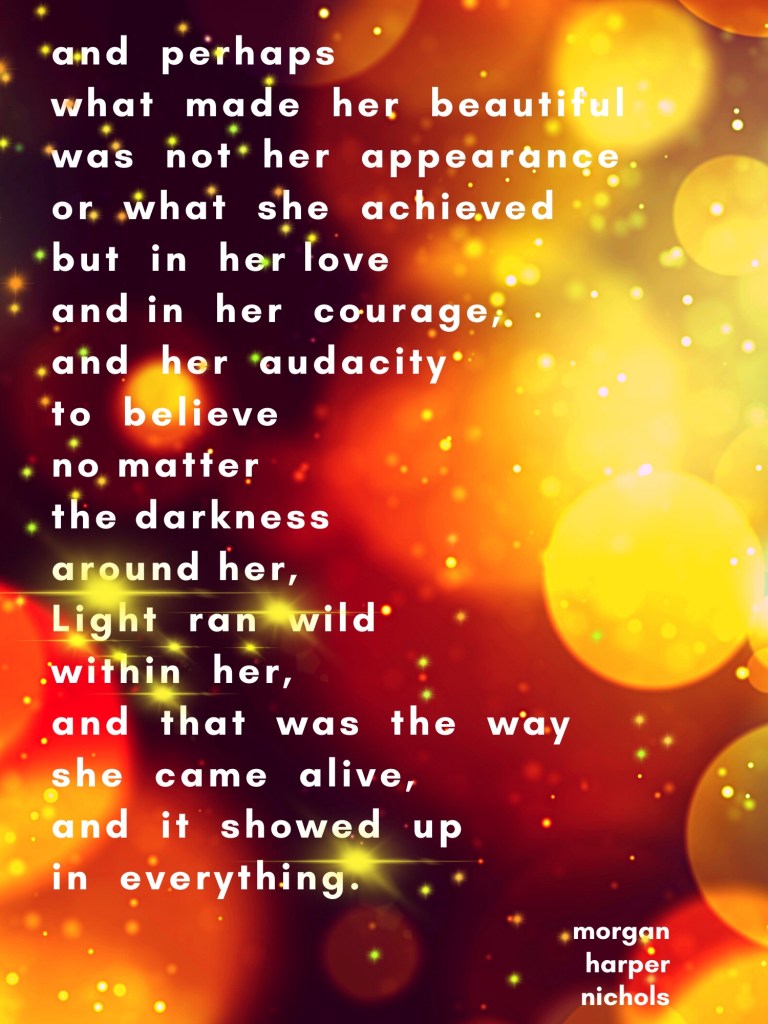
And then there are the inspiring words of artist and writer morgan harper nichols that so inspire me towards love, courage, audacity and the Light that runs wild within me, the Light that shines through my darkness and never goes out.

and  perhaps 
what  made  her  beautiful 

was  not  her  appearance
or  what  she  achieved
but  in  her love

and in  her  courage,
and  her  audacity
to  believe 
no matter

the darkness
around her,
Light  ran  wild
within  her,
and  that  was  the  way
she  came  alive, 
and  it  showed  up

in  everything.
— morgan harper nichols

May you have the strength to navigate those days when darkness threatens your light. May you love yourself and dig deep for the courage and audacity that frees you and lets the Light run wild within you!

Advent, Angels, Beginning again, Comfort, Dreamers, Dreams, God’s Gift of Stars, Hope, Introspection, Isolation, journey, peace, Prayer, Quiet, Sanctified Art, Soul

Those Who Dream: An Advent Journey


AFBBEA2A-D832-4CE0-BD27-96ACE0EDBB4A
Image from “A Sanctified Art” at https://sanctifiedart.org

Before we begin Advent’s journey on November 29th, I think we need start a few days early to create some peace for our souls — enough peace to open ourselves to Advent’s life-giving message. For you see, the Advent journey always has a particular and unique message for each of us. The message weaves through our spirit as Advent days move on, gently sparking tiny lights is us that open us up to beginning again, to dreaming again. Advent nurtures and caresses us until we can dream new dreams.

Since we saw Advent past, we have languished in the chaos of 2020. Held in bondage by a terrible pandemic, lamenting racial unrest and the violence that caused it, watching political rancor and division. This was the year of “I can’t breathe” and also the year when we found that we could not breathe. Nor could we dream, because the future was unknowable — not at all conducive to dreaming.

And yet, there remains this good word — Psalm 126:1:

When the Lord restored the fortunes of Zion, we were like those who dream.

What does it look like to live as those who dream? The prophets, the psalmists, Mary, Elizabeth, Joseph, Simeon, Anna, the shepherds and the Magi—they were all dreamers. They received, discovered, and responded to God’s dreams for the world. In Advent’s journey, we travel step by step into the mystery and awe of God’s dreams and we pray that they will shape our reality.

Advent is for the dreamers in all of us — those who dream of a deeper connection with God and those who dream of a better world. Advent is for those who dream of comfort and also for those who have given up on their dreams. Advent is for those whose dreams have been crushed and for those who wisely teach us that dreams take soul time. 

In this approaching Advent, perhaps we will dream alongside prophets and angels, Mary and the Magi. Perhaps we will seek and know God’s dreams for our world. 

Will you pray with me?


In this Advent of expectation, God,
draw us nearer to grace,
that our songs of worship
might echo in the hills and valleys of this journey
and also through our lives.

In this Advent of expectation,
grant us a sense of peace and silence and steady calm,
that the hope within our souls
might be the dreams we dream,
the songs we sing, and the melody of our lives.

In this Advent of expectation,
grant us a vision of a shimmering star in the night sky,
that the path we follow
might lead us from a stable
to a glimpse of eternity. Amen.

Those Who Dream Theme Song—PREVIEW VERSION from A Sanctified Art on Vimeo.

Awakening, Awareness, Beauty of Nature, Bondage, Change, Contemplation, Creation, Creativity, Emotions, Feelings, God's presence, Grace, Hemmed in, Here I am, Lord., Holy Ground, Holy Spirit, Hope, Insight, Inspiration, Introspection, Isolation, Loneliness, Mystery, Psalm 139, Sacred Pauses, Sacred Space, Soul, Spirit, Transformation, Walls, Wisdom, Writing

Hemmed In!


There are large scale, widespread forces that can trap thousands of people, even millions. Dachau, Katrina, earthquakes, tsunamis, wildfires, natural disasters all over the world and the Coronavirus of 2020. Enormous, catastrophic events can trap people. COVID19 has literally trapped me inside my home. I have to admit, the isolation has taken a toll on my spirit. No visitors! No visits with friends or family. No trips! No haircuts! I have been trapped at some level since my kidney transplant in November. Just at the March milestone that would have allowed me to break the isolation of the transplant, I was even more fully trapped by the infectiousness of this pervasive, unrelenting virus.

Being trapped for so many months has raised up in me feelings of loneliness, isolation, powerlessness, despair, anxiety, even abandonment. And yet, often there is something very good in the center of something very bad. It has been so for me. Yes, I feel trapped in the pervasive power of the coronavirus, but I also sense the arms of God and the embrace of Spirit hemming me in even further. Such a grace-gift it has been to me, as if God has said, “l am hemming you in, and in this space you will hear me clearer and sense me more fully.”

God’s words were truth. Hemmed in, my mind flourished, my heart leapt and my soul entered spaces of calm. I felt enhanced awareness! Even awakening. I saw nature in a different way and basked in the beauty of the rising sun. The sound of the hummingbirds’ trill and the rapid fluttering of their translucent wings were sounds meant just for me. I began to write and paint, to listen more carefully to God’s voice, to allow my spirit to overflow with Holy Spirit. To my hemmed-in call from God, I was compelled to answer, “Here I am, Lord!” When I finally answered God, my hemmed-in place became Holy Ground — a very good place to be that feels more like a holy mystery than a state of being.

Was this pandemic a good thing for me and for millions of people? Absolutely not! But trapped in its dark cloud, God hemmed me in further in ways I am just now beginning to understand. I can say with all honesty that being hemmed in by God has been grace to me.

If I could even begin to choose a favorite Psalm from among the many that inspire me, I would choose Psalm 139. In its weaving of words, there are many passages that are full of comfort. From childhood, I memorized a lot of Scripture and throughout Psalm 139 I memorized several snippets that I often call to mind. One verse that I did not memorize is verse 5: “You hem me in behind and before, and you lay your hand upon me.”

You have searched me, Lord,
and you know me.

You know when I sit and when I rise;
you perceive my thoughts from afar.

You discern my going out and my lying down;
you are familiar with all my ways.

Before a word is on my tongue
you, Lord, know it completely.

You hem me in behind and before,
and you lay your hand upon me.

— Psalm 139:1-5 NIV

I deplore the coronavirus and what it has done to so many people. I deplore the ways it was able to trap me, physically and emotionally. But the virus, with all its ominous, far-reaching force could not trap me spiritually. That was God’s work — hemming me in so that my spirit could rise to fresh, new heights of spiritual consciousness. Being hemmed in by our Creator has been grace for me in these days of isolation. It has become a transforming sacred pause. For in my hemmed-in space, the Creator helped me create — from my mind, from my heart, from my soul. Thanks be to God.

Aging, anxiety, Bewilderment, Bravery, Challenge, Child protection, Children, Conflict, Confusion, Contemplation, Courage, Dangerous and noble things, Discernment, Dreams, Indecision, Internal conflict, Introspection, life, Pandemic of 2020, Questions, Sacred Worth, struggle, Transformation

When Plans Are Dreams

05D8F2C8-83DB-40E3-9FEC-43A543D80EC3
Plans!
We find it almost impossible to make them in a life ruled by COVID19. Currently, school  plans are foremost in the minds of parents and students.

“Is it safe to send my child back to school? What safety and social distancing measures will schools have in place? Do I choose to keep them at home, opting for virtual learning? How do I manage online school?”

In light of such critical plans and decisions, consider this current news report:

A document prepared for the White House Coronavirus Task Force but not publicized suggests more than a dozen states should revert to more stringent protective measures, limiting social gatherings to 10 people or fewer, closing bars and gyms and asking residents to wear masks at all times.

The document, dated July 14 and obtained by the Center for Public Integrity, says 18 states are in the “red zone” for COVID-19 cases, meaning they had more than 100 new cases per 100,000 population last week. [Georgia is in the “red zone.”]

Eleven states are in the “red zone” for test positivity, meaning more than 10 percent of diagnostic test results came back positive. [Georgia is in this “red zone” too.] https://publicintegrity.org/health/coronavirus-and-inequality/exclusive-white-house-document-shows-18-states-in-coronavirus-red-zone-covid-19/

Even with troubling reports like this one, Georgia’s governor, Gov. Brian Kemp, signed an order on Wednesday, July 15, 2020 banning localities from requiring masks. On this information, parents have to agonize about what’s best for their children. They simply cannot make firm plans as long as the virus is waxing and waning. Mostly waxing!

Plans are difficult for us for all sorts of reasons and circumstances. Every now and then over the years, my life would take un unexpected pause to contemplate this thought written by the late Mary Oliver:

 So tell me, what is it that you plan to do with your one wild and precious life?

Unpacking that brief question has been a periodic constant in my life, popping up for me mostly in my down and disheartened times. I hear the poet describing my life as “wild and precious” and it almost shocks me. Yet, my life really has been consistently wild and mostly precious. Anything that urges me to examine my life is a good thing. I can almost always pull up memories of the times when I was wild and free — insistent upon rising higher, realizing a near-impossible dream, charging with courage into new and uncharted places, planning for a future of fresh and sparkling heights, observing just how wild I could dare to be. Unpacking that question has been exhilarating at times, exhausting at other times.

Musing on a life that could be described as precious

Entertaining the thought that my life was precious happened in my deepest soul place. It happened in my moments of introspection, meditative times that urged me to examine all the ways I saw my life as precious, cherished, valued. Of course, I have experienced many precious life moments — my wedding day, my work in Africa, my ordination, awards and recognitions of my work and career and, most of all, the adoption of my one wild and precious son, Jonathan. Examining my precious life was most real when I almost lost my life, my full year of serious illness, five years of dialysis and a kidney transplant made possible by the selflessness of a lovely woman I know only through email.

Such thoughts bring me back to plans. What is it I plan to do with my one wild and precious life? Even a life precious and wild is a life that requires plans, and right now trying to make plans is an exercise fraught with anxiety. I cannot find any words that can minimize this depth of anxiety. There is not one thing you or I can do about plans that have been ravaged by the pandemic we are experiencing, and yet we must make critical plans in this season of uncertainty. 

School plans are most difficult in my state and perhaps in yours. As parents agonize over the safety of their children, Georgia’s governor, Brian Kemp, offered this unhelpful comment this morning in a press conference:

I am a believer that kids need to be in the classroom and we’re working with the schools to do that. We’re going to have cases that break out in schools, either with personnel or perhaps students, just like you do with a stomach bug or a flu or anything else. Our schools know how to handle those situations.

The parents and teachers in my life know that this coronavirus is not just a run-of-the-mill “stomach bug or flu.” This virus is deadly, and parents and teachers faced with difficult school decisions know that all too well. During these pandemic days, it is a constant reality that many of us are having to make potentially hazardous plans, but just for a moment, I wonder if we can redirect our thoughts to plans we make for our “one wild and precious life.”

Can we rise above the plans we must make today, even for a moment, and instead consider the bold and courageous plans we could make? Can we set our hearts to think about plans we can make when we are our brave, adventurous and fearless selves? Can we contemplate the plans we might make when we feel bold, resolute and undaunted?

I can remember the times when I was able to make such adventurous plans, times when my plans were dreams — high and lofty dreams of changing the world. I can also remember the time when I no longer dreamed any dreams at all. It was a time when I no longer saw my life as a wild and precious one. I still entertained plans, but my plans were definitely not dreams. I believed I could no longer change the world. I believed I could no longer live a life that made a difference. I believed that my soul was dry and my spirit barren. I believed that, in my life, dangerous and noble things were no longer possible

Why can’t you and I dream dreams instead of making plans? Why can’t my “one wild and precious life” rise higher, high enough to make dreams of my plans? Sometimes I will go to one of my many favorite passages of Scripture hoping to find God’s word to me. Being true to my theological education, I always look at the words in context before I do anything else. But after that hermeneutical exercise I learned in New Testament 101, I might twist the text a bit and maybe even paraphrase it, inviting the text to speak to me specifically, just me. For this day, one of the texts found in the book of Acts reaches into my soul, and, yes, I did paraphrase it.

“In your season of most need,” God says,
“I will restore your soul and make your spirit rise within you.
I will pour out my Spirit on all people.

Your sons and daughters will prophesy,
your youthful hearts will see visions,
your aging hearts will dream dreams.”

— Acts 2:17 (my paraphrase)

Amen. 

May God lift our hearts and spirits, assure us that our lives are precious and help us transform our plans into dreams.

So tell me, what is it that you plan to do with your one wild and precious life?


Ash Wednesday, Community, Cross, Introspection, journey, Lent, Life Journeys, Pilgrimage, Rebirth, reconciliation, Reflection, Resurrection, Soul, Spiritual awakening, Spiritual Discipline, Spiritual growth, Transformation

The “Soul’s Insistent Yearning”

8E851EAE-1859-4A68-831D-C2914D9B3213
I have come to know Ash Wednesday as the time to draw nearer to my “soul’s insistent yearning.” That can be a frightening prospect, so I always approach Ash Wednesday with a bit of reticence, meeting the day with the self-awareness that I am trying to keep my distance from my “soul’s insistent yearning.” Being closer to one’s soul can well be a disconcerting proposition, but a necessary one. Ash Wednesday presents me with entry into the season of Lent.

I cherish Lent’s forty days, actually, always expecting change to happen in my soul and spirit. And yet, the prospect of repentance, renewal, transformation — and ultimately a personal resurrection — always disquiets me.

83D4AF68-A9AD-40EC-9D26-F0787CFE6D7BHow will I spend Ash Wednesday?

How will I approach the day
that will open the gate of Lent before me?

I have always thought of Lent as a spiritual journey we take alone, a solitary season of introspection and self-reflection during which we contemplate our own spiritual well-being and our relationship with God. For me, Lent has often been alone work.

So I make my Lenten journey into my alone places. I will know that God will abide with me, comforting me in my self-reflection, in my penitence and in my repentance. I will be mindful this Lent of my need to reach into my soul in search of places needing healing, constant and long-time wounds of the soul and spirit. I will search for the traces of my sinfulness, finding in my heart the will to seek sincere penitence, the sad and humble realization of and regret for my misdeeds. I will move beyond penitence to repentance as I resolve to change and to experience transformation.

How will I spend Ash Wednesday?

In whatever way I am able, I will receive ashes on my forehead imposed in a sign of the cross. I will recall the words, “Remember that you are dust, and to dust you shall return.” I will utter as my prayer, the words of Scripture, “Create in me a clean heart, O God, and renew a right spirit within me.” (Psalm 51:10)

As for the actual ashes, I have often wiped them off while in public. I never knew why, just that I was uncomfortable when others saw the cross of ash on my forehead. Perhaps I needed to keep my spiritual practice to myself, or hide the reality of my search for repentance. Years ago, I came across these words, spoken by Sr. Mary Ann Walsh, RSM:

We can feel a little funny with ashes on our foreheads, but for Catholics, that’s how we mark the start of Lent. Ashes don’t say we’re holy. They say we are sinners. They don’t say we are perfect, only that we’re willing to try. They don’t say we’re models of religiosity, but they do say we belong. In today’s world of loners and isolates, that says a lot.

~ Sr. Mary Ann Walsh, RSM

7FA58B58-0019-4809-B3B9-F956F3B06D7BThe essential truth, and gift, of Ash Wednesday is its call to come to terms with ourselves before God. Ash Wednesday says what so much of modern culture denies, namely that we are forever deceiving and justifying ourselves about our sinfulness. So on this day, when we contemplate our sins, when we pay attention to the ash on our foreheads, when we enter into Lent’s forty days, we must make prayer our utmost spiritual intention. So I pray we might embrace our Christian community that we might journey together for these forty days, praying for one another, seeking together the serenity, the reflection and the transformation of Lent, as all the while, we lean into our “soul’s insistent yearning.”

In that spirit of prayer, I hope you will take with you into Lent with this beautiful prayer from Rabbi Naomi Levy:

The rabbi in me would like to offer a prayer for you.
I pray you will learn to see you life as a meaningful story.
I pray you will learn to listen to your soul’s insistent yearning.
I pray you will learn to believe you can transform your life.
I pray you will learn to live and shine inside your imperfect life
and find meaning and joy right where you are.
Most of all I pray you will uncover a great miracle: your extra-ordinary life.

~ From Hope Will Find You by Rabbi Naomi Levy

Most importantly, pray yourself into Lent in the few days we have before Ash Wednesday. Seek God’s heart and seek the depths of your own heart and your “soul’s insistent yearning.” May you know God’s presence as you begin your Lenten journey.

Adultery, Art, Awakening, Celebration, Change, Dancing, Discovering, Dreams, Freedom, Growing up, Introspection, Joy, life, New Life, Praise, Psalms, Questions, Surprise, Tambourine

With a Tambourine in My Hand

41C0A436-91ED-4E28-B2C7-8CC3FEA229B7
Water Dancers by Canadian artist, Rob Gonsalves

Women in white gowns emerge from the crashing water of  a moonlit waterfall. What in the world does that have to do with me, other than the fact that I am completely enthralled by this painting? I certainly cannot relate or see myself emerging from rushing waters or even dancing with a tambourine in my hand. Yet, there is something about this art that inspired my soul searching and brought up some questions I want to contemplate.

Where did I come from? Where will I go?
What will I do with my life? Which of my dreams will I realize?

I have asked myself similar questions, questions about what made me who I am and if I will ever feel that I have realized my life dreams. It’s true that I have entered my seventieth year of life, and one might wonder why the need for all the introspective questions. But In the core of my being, I believe that I can still dream and that I can still experience wonder about what I see in and around my life.

What people will enter my life leaving cherished gifts of friendship? What wonder will I see around me as I search for meaning? What will Spirit say to me with the gentle breath of her voice that can also enter my life as a rushing, mighty wind? And how does God continue to call me to new ministries of the heart?

I do not know the answer to those questions. Nor do I know who or what I will be when I grow up. So I struggle to know. I plead with God to give me direction. During this season of my life while I am challenged with so many things related to my kidney transplant, I have been somewhat obsessed with finding the answers to all those “who am I?” questions. I despair a little when I can’t find the answers.

Back to the art. Yesterday, I accidentally came across the painting by Canadian artist Rob Gonsalves which is at the top of this post. I was immediately captivated by the image, especially the rushing waterfall that changed into women living life — some of them dancing, others playing their tambourines, others just emerging, still others just beginning to awaken.

The art reminds me of how we might emerge into life — to grow into life, to be open to change, to be willing to embrace a process of becoming. Each of us is engaged in that kind of process whether we know it or not, whether we embrace it or not. We want to experience an awakening that opens our eyes to wonder and our souls to extraordinary newness of life. We want the freedom to be who we are. We don’t want to stay in our awakening place, reticent about moving into the best part of our lives, refusing to move because of our fear. We want to throw off our hesitation and, in search of our dreams, to sing, to dance, to play our tambourines in celebration of our unique personhood.

I am reminded of a beautiful passage of Scripture from the Psalms.

Let them praise his name with dancing,
making melody to him with tambourine and lyre.

— Psalm 149:3 (NRSV)

Isn’t that precisely what we want for our lives? To lean into our true selves so that we are compelled to sing, to dance with tambourines in our hands, to celebrate our lives, to dream and to praise the God who rejoices when we live into freedom and joy!


Awakening, Awareness, Change, Contemplation, Courage, Discernment, Discovering, Emotions, Exploration, God's presence, grief, Guilt, healing, Indecision, Introspection, journey, life, Light, Lingering, Mayo Clinic, Mystery, New Life, New Year, Pain, Prayer, Sacred Space, Self Awareness, Spiritual awakening, Trust

Lingering . . . In the Presence of God

53189F0B-8EF7-4BDC-A66A-B9834A45C0F5

I have observed, at this year’s beginning, as in past years, that humans are more introspective than usual. It may begin with intentions or resolutions for the new year. What I observe is that people are revisiting the past, trying to reinterpret it, digging for the meaning the past held for them and trying to find ways to heal the wounds of the soul theyp have hidden inside them for a long time. Those woulds live in us so long that they become scars, hardened in our spirits and thus more difficult to heal.

Until we have done this spiritual and emotional inner work, we are hesitant, unwilling to move into the future. So we linger in the present and re-live the past. Usually what we  revisit are past sorrows and losses, past disappointments and perceived failures, past pain that continues to pierce the soul. Seldom do we revisit past joys, because joy does not pierce like sorrow does.

It is a positive thing to linger in life review at the beginning of a new year. Just as the year is new, all of us hope that in the work of lingering, we will find newness in ourselves. The work of introspection is important for our well being and we have so many choices about how to strengthen ourselves, body and spirit. Many people use self-counseling, which may include searching their deep selves through personal contemplation and prayer. Others engage in spiritual direction, life coaching, trauma therapy or counseling. Still others tend to their souls through silent contemplation, labyrinth walks, yoga, nature walks, strenuous exercise, reading scripture, self-help books or poetry, and singing hymns or listening to music.

I want to suggest one other form of self-counseling that is unfamiliar to most people — working with Healing Runes as a part of your quiet time. Your first question probably is, “What are Healing Runes?” I want to begin by sharing an invocation written by Ralph H. Blum from his book, The Healing Runes.

Invocation

Practice the Presence of God in all ways,
Both in your coming in and your going out.

In your prayers, invoke God’s Presence.
In your aspirations, stay mindful of the Presence.
In your meditations, breathe in the Presence.

Above all, let the Presence be reflected in your attitude,
For surely then God will sing in your thoughts,
Speak in your voice and shine through your acts.
Let the Presence of God be the medicine
To heal your life, lift your heart and renew your spirit.

Practice the Presence of God in all ways,
Both in your coming in and your going out. Amen

To answer the question, a Healing Rune is a tool that provides a way of deepening  reflection and stirring the soul where we find life meaning and buried emotions. There is an interpretation of each healing rune in the book, The Healing Runes, written by Ralph Blum and Susan Loughan. They offer interpretations presented in graceful and sensitive language that allows the reader to take to heart what is appropriate for their own meditation and leave the rest.

A4B9545F-D3B1-40D5-AC08-23DF8FD547CAThe book adapts the sacred use of Runes as an alphabetic script used by the ancient Germanic and Norse peoples, creating a tool that could be helpful in the healing of body, mind and spirit.*

I suggest that we not fear the Healing Runes by considering them to be some sort of pagan artifact or something that seems like magic. They are more like mystery, something to guide our reflection and introspection. I suggest the we see Healing Runes as one way to guide us deeper into ourselves and into the presence of God, the ultimate healer of our souls.

I would like to choose a Healing Rune for us from my bag. Its meaning may not mean anything to you or to me. It may not open up any places in your soul that need attention. Or it may awaken us to a wound that we need to give some reflective time, some time for healing.

328A8B00-83F2-418F-BFC5-29960E0C06C7The Rune I have randomly chosen is the Rune of Trust. It is the Rune of restoration that calls for the rebuilding of belief in yourself, in your life and in your relationship with God. For some, drawing this Rune asks you to show trust in a present situation. For others, it calls for embracing the changes you are facing with trust and wisdom. In relationships of the heart, remember that I love you and I trust you are two stones for crossing the same stream. Most importat is that you ask your soul if Trust has something to teach you or somewhere to lead you.

Thomas Moore writes, “We separate, each from the other, the sicknesses of body, emotion, meaning and connectedness.” The soul must be moved, touched and healed, and that is why we linger at the door of our pain, trying every way we know to reconcile it, heal it, eliminate it (or just blast it with a sci-fi laser gun!) Thomas Moore has a better remedy than a sci-fi laser gun, a much more informed remedy:

I am convinced that all healing ultimately comes from a shift in deep imagination, grounding our own lives and anchoring our decisions in the very quick of the heart . . . not just relief from anxiety, but profound gifts that signal the presence of soul — intimacy, pleasure, beauty, love and piety.

As you and I explore what hides in our souls as this new year beckons us, may we not be afraid to linger directly in the presence of our fear or woundedness. Instead, let us consider that we are lingering in the comforting presence of God, in the gentle protection of Spirit. It is safe in that sacred space of Presence, safe enough for us to unearth whatever lies deeply in us and allow it to surface into the healing light.

God may be gently, lovingly calling us to do that work of healing and, in that introspection, to reveal our truth — the truth that will set us free!


* The Healing Runes, Ralph H Blum and Susan Loughan; Preface by Thomas Moore; St. Martin’s Press:New York, New York; ©️1995 by Ralph H. Blum.

Adventures, Awareness, Change, Contemplation, Exploration, Grace, Growth, Holy Spirit, Introspection, Life Journeys, Life pathways, Meditation, New Life, Reflection, Spirit wind, Transformation

Uncreated Grace

AA19F30F-F0BC-46B3-9F62-E084BF61258A

I have been reflecting on a phrase I read this morning in Father Richard Rohr’s meditation— Uncreated Grace. It is an intriguing phrase and makes me wonder why I received it at this particular time and place on my journey. I have had a very long journey — many miles of life —- and, in fact, there have been many other forks on the path that seem more sacred places to contemplate uncreated grace. But here it is, today, brought to me at this place on my journey.

As I did some processing on this phrase, I thought of one of my dear friends from ages past, seminary days to be exact. Often, he would share his favorite quotes. This was one of them, an intriguing and thought-provoking quote. This quote always stayed in his favorites file. It hints at a long journey we all must take . . .

We shall not cease from exploration
and the end of all our exploring
will be to arrive where we started
and know the place for the first time.

— T. S. Eliot

We were always left with the question “What do T.S Eliot’s words mean?” Sitting in small groups, the seminarians discussed but never reached an answer, to the question. I imagine that, like me, some of them took the words along with them on their journeys, hoping to discover the meaning at some place of enlightenment on their path.

On my journey, Eliot’s words came to mind many times. Never quite discovering a finite meaning, I did discover infinite applications that touched my life in ways simple and profound. Most always, I came away from reflecting on the words to a better place inside myself and a better space in my world. Still, I wonder why these T.S. Eliot words were brought to my mind today.

The power in these words, I think, is that they are not a directive, not a call to mission, not words of piety, not gleaned from scripture. They are words meant to be understood individually rather than offering a universal message. I identify these words as an invitation, and so today I am left alone with them to intentionally create space for reflection and understanding.

When I do that, I hear many, many other words from different places — from scripture, hymn, poetry, prose and from within myself. It feels like a Spirit encounter, the presence of “another comforter” who will be with us forever, who will, as Jesus promised, “teach you all things, and bring to your remembrance all that I said to you.”

Spirit teaches us and helps us remember. Spirit grounds us so that our circuitous journey will not frighten us. We are free to never “cease from exploration,” because we are comforted to know that we will “arrive where we started . . .”

9889AA3B-16BB-4F9F-9B56-D883A74A49AEAnd know the place for the first time . . .

When the journey leads us back to where we started, how is it that we “know the place for the first time?” I urge you to not take my interpretation as the correct one, because I believe that a “correct” interpretation comes from the soul of each person who chooses to explore. But here is an understanding based on my own musings . . . we can take what comes in our lives, or we can explore places on the journey — our encounters, our joys and sorrows, our events and calamities, our crises and emotions, our disappointments and betrayals, the chance and the wonder.

For me, there is no doubt that exploring all of these life events brings that sense of getting back to the beginning and truly knowing the place for the first time, not necessarily because the beginning place has changed, but that I have changed. The Spirit’s holy breath transformed me with gentleness again and again, transformed by the blowing of Spirit wind into my being.

Father Richard Rohr says that “the Holy Spirit is never created by our actions or behavior. It is naturally indwelling, our inner being with God. In Catholic theology, we called the Holy Spirit “Uncreated Grace.”

How I love those words . . . Uncreated Grace! Perhaps that’s what we all hope for in our explorations on the journey — that in us and through us, there is Uncreated Grace. If we present to the Spirit our selves as uncreated grace, I wonder if Spirit then creates grace within us again and again and again, all along the way. If we never cease from exploration, presenting ourselves as uncreated grace, the Holy Spirit will breathe on us and we will be transformed!

No wonder we know the place where we started for the first time! The place hasn’t changed, we have changed, transformed in our deepest places!

Thanks be to God and to the touch of Spirit breath. Amen

Adventures, Beauty of Nature, Contemplation, Creation, God's presence, Introspection, Meditation, Mindfulness, Praise, Prayer, Psalms, Questions, Restoration, Sacred Space, Serenity, Silence, simple joys, simple pleasures, Soul, Stillness

“My Soul in Silence Waits”

85612761-C3E4-4F2A-ADDE-7BF472AE54D8
Photography by Jim Dailey: January 1, 2020, Lake Ouachita, Hot Springs, Arkansas

My dear, long-time friend, former Little Rock Mayor Jim Daily, sent me this photo this afternoon. Mayor Jim is a hiker, a camper, a photographer and a naturalist. He loves the outdoors. He is a person of profound thought, and he spends a good amount of his time in thoughtful contemplation — on a lake or an Arkansas River, in a verdant valley or on a mountaintop. He frequently blogs on what he calls his “adventures,” and his blog is filled with thoughts about wherever he is and whatever beauty he has found. For Jim, every day is a new adventure, and his adventures hold sway over him. They change him in so many ways

One more thing — As a tribute to my friend, Mayor Jim, I want to introduce you to his Blog, which you may enjoy viewing at this link: Last Pair of Boots

His Blog, called “Last Pair of Boots,” tells a poignant story — of nature’s beauty, of God’s presence in it, of friendships, of Arkansas’ and America’s holy places, of worship and contemplation and prayer. Here’s what Jim says about naming his blog:

The name “Last Pair of Boots” came to me when my ten year old boots broke down and it occurred to me that at my age the new pair of boots might be my last pair. Metaphorically my boots represent the trails and travels of life.

10648F62-3E20-4939-86D9-97A565CFD322
Whitaker Point … aka Hawksbill Crag! At the Buffalo National River

This is such a thought-provoking description that fits Jim’s love of nature’s splendor. He also hints at endings, not in a melancholy  way, but in words the reveal his life of contemplation and curiosity. Jim’s outings are hiking and wilderness camping, skiing, fishing, exploring, visiting every Arkansas State Park through his job as Arkansas Tourism Director, finding friendships in every small Arkansas hamlet, searching for Arkansas treasures,
finding God in all the places and faces.

I imagine he will hold all of these adventures in his heart now that he has finished his work as Arkansas Tourism Director this past December.

1F0E0755-F01A-4E45-A3BB-92C22820A3D8
Hamfest — Whatever it is …  it’s gotta be something special to celebrate 50 consecutive years on top of the second highest mountain in Arkansas — Rich Mountain — in the beautiful Ouachita Mountains, Queen Wilhelmina State Park.

Congratulations, Jim, for your many years of service to the citizens of Little Rock and of Arkansas. Your wisdom, your love of nature, your unquenchable thirst for adventure and your unfailing commitment will remain as one of our enduring Arkansas’ treasures.

As I mused about Jim’s outings tonight, I asked myself about the places and times that created my contemplative times. They are few, too few.

For whatever lame reason, I do not take the contemplative times I need. I think that my kidney transplant on November 12th pushed me into a soul-need that beckons me to solitude, silence, contemplation, adventure — new things to examine in the stunning beauty of nature. It calls me out of the house and into the sunlight or under the stars of the night. It calls me to breathe in the fresh air of God’s creation and, with that breath, to take in the miracle of God’s presence.

Now that I’m retired and have time, I tend to fill my time with all manner of preoccupation. At times, I feel busy and frazzled and don’t really know why. Why am I unable to make enough time to spend in the mesmerizing beauty of nature, keeping silence in God’s creation? Why do I not spend time beside still waters, listening to the silence of a pond? What is wrong with my soul that it is rarely drawn to God’s quiet places, and my heart that does not often seek God’s presence in silent space?

I dare not answer those questions until I am prepared to make some life changes. But what I can do is to hold near these reminders of what God desires for me until I can change my life. These reminders might even inspire me to seek change:

O Lord, my heart is not lifted up,
my eyes are not raised too high;
I do not occupy myself with things
too great and too marvelous for me.

But I have calmed and quieted my soul,
like a weaned child with its mother.   
(Psalm 131:1-2)

For God alone my soul in silence waits.   (Psalm 62:1)

The Lord is my shepherd, I shall not be in want. He makes me lie down in green pastures, he leads me beside quiet waters, he restores my soul.   (Psalm 23:1-3)

Let him sit alone in silence, for the Lord has laid it on him.   (Lamentations 3:28)

To you, O God, silence is praise.   (Psalm 65:1)

It is never a bad thing to offer God the praise of silence, to invite God into my contemplation and to allow God’s presence in my moments of prayer and meditation. The truth is that God has always been present with me. But my deepest desire is that I be present with God. As the Psalmist wrote, “My soul in silence waits.”

May those words become my words . . . and yours. Amen.

Community, Emotions, Fear, Freedom, Friendship, God's Faithfulness, Grace, healing, Heartbreak, Introspection, Loss, Memories, New Year, Reflection, Rootedness, Stories, Vulnerability, Wholeness

Telling Our Stories

C9DDA313-A81D-4148-8B30-33C313F12802

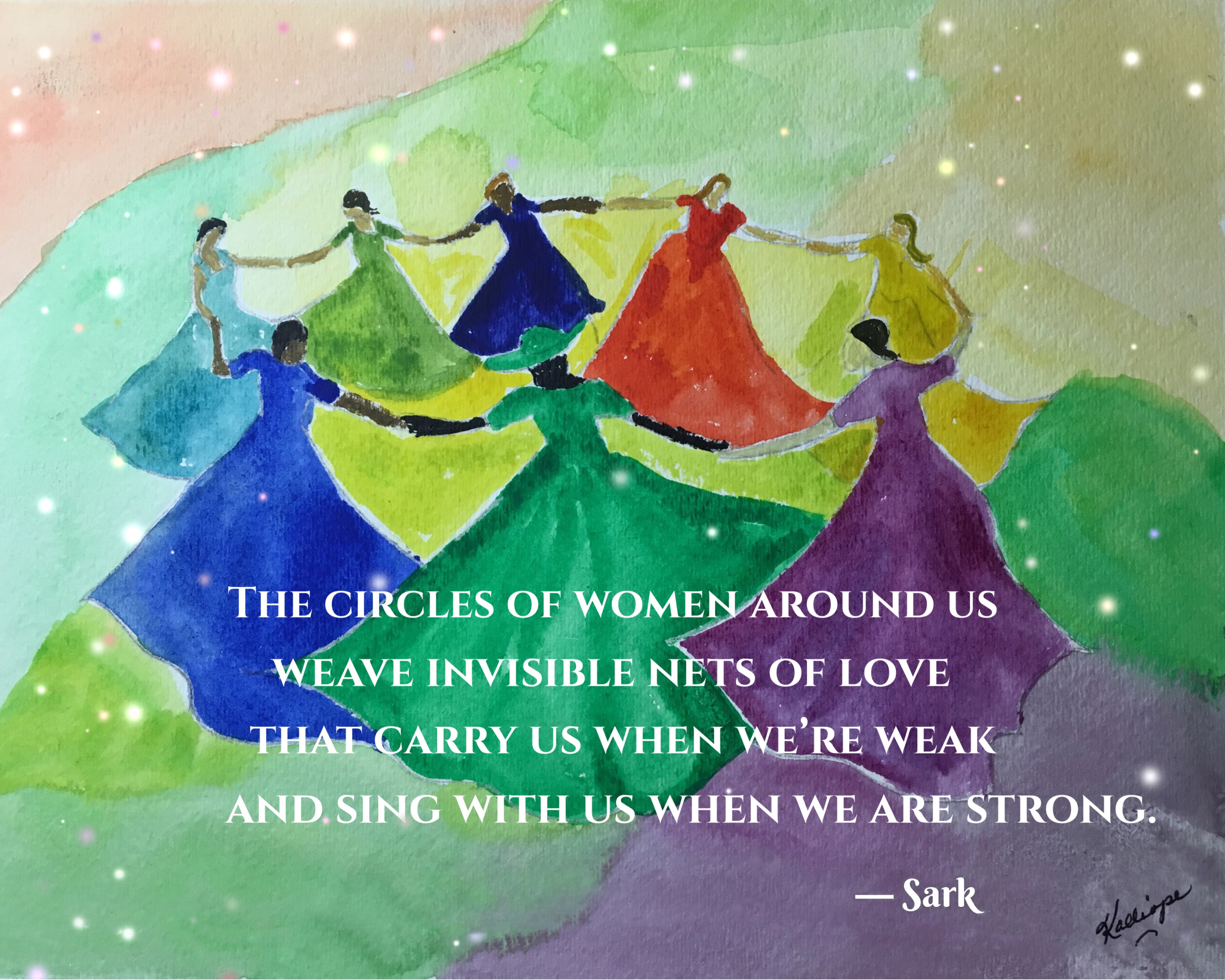
Looking back at the passing year, I am deeply grateful for so many things. Among them is the circle of sisters who listen to my stories so many times and hold me in the light. They are my spiritual community. They “weave invisible nets of love.” They hear my stories with compassion, caring, love and genuine acceptance. They listen, and through their listening, they affirm my soul-place where my stories live.

We are our stories. Our children gain their sense of personhood when they hear their family stories and begin to tell their own. My sense of “me” is entwined with the stories about my parents, grandparents and great grandparents, stories that I have heard over many years and embraced. The stories are origin and memory, history and nostalgia, truth and myth, and as Rachel Held Evans wrote, the stories are a “cautionary tale.” The stories, at least as an adult, have made a place in my soul, teaching me who I am so that now I hold my stories in my heart.

It is sad when we are socialized to keep our stories close to the vest, when we are cautioned not to tell our stories to just anyone. After all, aren’t our stories personal information, meant to be private? That could be our choice, and it is true that telling our stories might make us vulnerable with another person.

But oh, the joy of finding spiritual community and, in community, to find safe and sacred space to share our stories! I have found such communities over the years. Sometimes the community was sharing with just one person. Other communities through the years were made up of a four or five friends. These days, my spiritual community is a cherished circle of caring and loving sisters.

In her final book, “Inspired: Slaying Giants, Walking on Water, and Loving the Bible Again,” Rachel Held Evans wrote this about our origin stories:

The role of origin stories, both in the ancient Near Eastern culture from which the Old Testament emerged and at that familiar kitchen table where you first learned how your grandparents met, is to enlighten the present by recalling the past. Origin stories are rarely straightforward history. Over the years, they morph into a colorful amalgam of truth and myth, nostalgia and cautionary tale, the shades of their significance brought out by the particular light of a particular moment.

In many “particular moments,” I have shared some of my stories with my sisters, watching “the shades of the stories’ significance” emerge within me and with my community. My stories were “brought out by the particular light of a particular moment.” 

8B645361-2CE0-4762-B90F-D317010DA520Sometimes our stories are stories of sheer joy, but sometimes our stories are about loss, pain, heartbreak, fear or the devastating effect a particular traumatic event had on us. That’s when we hold our stories inside, fearing that telling would bring the pain back with a vengeance.

But when we protect our stories, holding them in a private place within us, we miss the healing power of being heard by another person of compassion, caring, acceptance and love. We also miss the pure joy of having been cared for by another person. That experience brings us to our spiritual center, healing old wounds of the soul and spirit; giving us the possibility of experiencing life without the pain of the past. That is God’s gift to us.

There is no better way to end the old year and begin the coming year than to tell our stories of the past, the memories we hold in our hearts, to accept God’s gift of freeing our hearts as we open ourselves to others. That’s a gift worth having! That’s a gift of grace that God wants us to have. That’s a gift that God offers us right now. If we are willing, God is able. Amen.

Change, Contemplation, Faith, Fear, Hope, Introspection, Laughter, life, New Year, The Year Behind

The Year Behind Us

61A4824A-D792-4F6C-85DE-FE640AAC3CC7
Often one of the things we do as we approach a new year is to lament the old year. We take stock of our days, good and bad — and we disparage the bad far more than we celebrate the good. We spend moments of regret and self-recrimination for the things we left undone or for the things we did not do well. We spend moments blaming ourselves for things that were out of our control, and we critique our performance of those things we did control.

Perhaps we need to check ourselves if we find that we are reviewing the old year with too much reproach, regret and recrimination. It’s not a very good use of precious time. Instead, might we review the old year’s times of celebration — the days of joy, accomplishment, the days when our health was good and our hearts were strong, the days we survived calamity and dodged a few bullets.

Perhaps we should recall the times precious and poignant when our souls rejoiced in sweeter days we will remember with fondness. Perhaps we need to take stock of the ways we became stronger and found resilience in ourselves. Perhaps we need to celebrate the times we were gentle and kind, loving and compassionate. Perhaps we should count our friendships and the loving acts of those who love us.

Might we refuse to see the old year as a series of burdens and see it, instead, as a year that poured blessings on our lives. Is it possible that spending our reflections on the old year, seeing the grace it brought us, will enable us to believe in the grace that the new year will most surely bring?

It is true that this old year will end, for good or ill. Some might long to have it back, while others curse it as it leaves. This poem by Ella Wheeler Wilcox that speaks of “the burden of the year” reminds us of the ways we experienced the old year with both weeping and laughing. That is life’s reality that surely promises that the new year 2020 will bring us the twofold, paradoxical gift of fear and faith, despair and hope.

The Year
Ella Wheeler Wilcox – 1850-1919

What can be said in New Year rhymes,
That’s not been said a thousand times?

The new years come, the old years go,
We know we dream, we dream we know.

We rise up laughing with the light,
We lie down weeping with the night.

We hug the world until it stings,
We curse it then and sigh for wings.

We live, we love, we woo, we wed,
We wreathe our brides, we sheet our dead.

We laugh, we weep, we hope, we fear,
And that’s the burden of the year.

If you will miss the year behind, celebrate what it left you. If it took and demanded your very life-breath, curse it if you need to, and then accept the ways it strengthened you. May we all spend a few moments or a few hours reviewing the year behind us, and find there laughter and weeping, hope and fear. All were meant to teach and to guide and to create strength in us.

Thanks be to God. Amen.


anxiety, Comfort, Complaints, Emotions, Faith, healing, Hope, Introspection, Pain, Perseverance, Positivity, Reflection, Suffering, Trust

On Roses and Thorns

A2C14468-E515-4C60-81A6-D9D8A6256D84

Transplant Day Eighteen
November 29, 2019

There is always more than one way to experience an event, a setback, a difficult season of life. “Look on the bright side,” is a common admonition. Or “count your blessings.” Or “consider the alternative.” And that is just naming a few of the many pieces of advice people have offered me in the past few weeks. Problem is, I am at a time of life when I really don’t want to hear all the “good” advice. I have a retort, expressed out loud or just in my mind, that asks, “Have you walked in my shoes?”

Of course I know the answer to that — no one has walked in my shoes. No one knows how I feel, or how deeply I am languishing. No one understands well enough to give me positive admonitions. The truth is twofold: one) that other people are giving me positive affirmation because they truly care; and two) ultimately I will have to work out my own ways of coping and getting to the point of feeling positive again.

It’s a process, and not an easy one. It takes introspection, being gentle with myself and a good amount of positive self-talk. In a way, I am doing exactly what others are trying to do for me. I am contemplating the same positive advice others have given me. I get into my inner self and I think through positive admonitions and even simple platitudes designed to lift my spirit.

Sometimes it works. Sometimes not so much. It depends upon so many factors, at least for me. How is my pain? Do I feel worried or anxious? Do I feel as if my body is healing? Do I feel cared for? Are my medications playing havoc with me? Do I believe I can live with my limitations and restrictions? How close is my relationship with God? How positive is my outlook on life? How strong is my faith and do I feel hopeful about the future?

I read many years ago one of those simple platitudes designed to help create a positive outlook. 

We can complain because roses have thorns or rejoice because thorn bushes have roses.

I copied it. I rendered it in calligraphy. I looked up its origin. As I contemplate it in the suffering of this post transplant season, I can’t help but believe that it must have affected me in some positive way because I have remembered it for more than 25 years.

So it’s essentially a choice I have to make — complain about the thorns or enjoy the roses. It’s not a bad life lesson to tuck into my heart and sit with for this difficult season of my life.

Oh, and by the way, most of the time when people offer me positive encouragement, I feel loved and cared for. I feel their compassion and the hope they lift up before me. I am grateful for that and for them.

anxiety, Awakening, Awareness, Challenge, Change, Community, Contemplation, Despair, Discernment, Discovering, Emotions, Epiphany, Friends, healing, Hope, Illness, Inspiration, Introspection, Kidney Transplant, Knowing, Life Journeys, Life pathways, Meditation, New Normal, Pain, Perseverance, Reflection, Relationship, Restoration, Rhythm, Soul, Spiritual Direction, strength, struggle, Suffering, Transformation, Troubles, Wholeness, Wisdom

Spiritual Direction

E82BA236-43E0-4EDA-B57B-4E7F6E31779A
Transplant Day Thirteen
November 24, 2019

I have been offered a blessing. From a stranger. 

I met this kind person through a group of clergywomen called RevGalBlogPals. She is a spiritual director from British Columbia. Through the RevGalBlogPals Facebook group, she happened upon parts of my transplant journey in my blog posts. She began praying for me. Then she offered me the gift of spiritual direction as I pass through this complicated time in my life. 

9299C4C7-3373-43D8-A11E-C2349150F942It has been several years since I worked with a spiritual director, so I was very humbled and thankful to hear from her. These were the words of lovingkindness she wrote to me in our first session.

May you feel the gentle touch of Spirit in this session.
May you know that I am holding you in healing Love.
May you be reminded of your worth and strength…
As you rest.
~ This is spiritual direction when pain does not allow for words.

Burning BushOn the day I received her message, it was so true that pain did not allow for words. The assault on my body was unspeakable on that day. I remember when many years ago my husband’s cardiologist came into his hospital room a few days after his heart surgery. The cardiologist said this: “Let’s look at this terrible thing we’ve done to you.”

His words resonated with me post transplant when, in the throes of struggle and pain, I definitely was looking at the terrible thing they had done to me. I could not quite see a brighter, pain-free future. I could only focus on the physical systems that were in complete disarray after the transplant. It did not help when medical staff told me it was all normal. The way I was experiencing it all was far from normal.

I wondered if I would ever live “normal” again. Or if perhaps I would live into a new normal of life after receiving a transplanted organ. I was not sure, and definitely not confident, that all systems would levelize into something I could tolerate. My spiritual director’s wisdom knows that to have physical normalcy, I must also seek emotional and spiritual normalcy. That would mean healing wholly — from the outer visible body to the inner invisible one. It would mean transformation. It would mean living my life while watching constantly and diligently for any sign that something was physically wrong.

Red Wooden Directional Arrow Signs In Green Forest BackgroundWhen my spiritual director suddenly appeared, I knew that she would help me explore my spiritual state, entering into community with me and pointing to the healing I could not yet see.

Thanks be to God for the beloved community she has offered me, community that forms in unexpected places, in unexpected times, just when I needed community the most.

Activism, Awakening, Brokenness, Christian Witness, Community activism, Compassion, Contemplation, Hope, Immigration, Injustice, Introspection, Justice, Ministry, Mysticism, Politics, Reflection, Repair the world, Social justice, Tikkun Olam, Violence against women and children

What does the world need?

256F00BB-10F5-4D89-93E1-FD4534BFCD0F
“To repair, heal the world” by artist and calligrapher Michael Noyes http://www.michaelnoyes.com/gifts/religious/jewish-judaica/tikkun-olam-to-repair-heal-the-world

What does the world need?

What do I have to give in a broken world? 

I have asked myself these questions before — many times before. I have asked these questions when teaching classes and writing my blog. I have asked these questions in a sermon — actually multiple sermons. So one might expect that, through my sermon preparation through Biblical study and other research, I might have found an answer by now. I have not. Because my finding the answer is as complicated as the myriad places of brokenness i see in the world around me.

Of course, I have to pay attention to the image of a hungry child, a refugee family at the border, entire African villages that subsist without clean water, the violent streets in cities across the United States, the mother protecting her children from abuse and herself from domestic violence, racially motivated hate crimes that terrorize, the climate crisis that to some is so real and to others just a hoax, the active shooters that have terrified school children and threatened life at many other places where people are vulnerable. I can continue this list into perpetuity.

But then I have to acknowledge the more insidiously evil side of the world’s brokenness — not the actual broken places, but the injustices that create them. I have to be woke to the societal and political forces of greed that deny complicity in the oppression of the most vulnerable among us. 

So when I ask myself the question, “What do I have to give in a broken world?” I am really asking if I will: 1) personally tackle a person’s specific need; 2) seek radical change of the societal and political forces that cause oppression; 3) become both a political activist and a compassionate hands-on Samaritan; or 4) engage in a contemplative life by getting in touch with the mystic inside that prays and longs for an end to every form of brokenness.

If I were a mystic, if could pray away the brokenness, I would most assuredly enter my prayer closet and do so. Admitting to being a mystic, though, is slightly uncomfortable. I’m not completely sure what a mystic is or what a mystic does. And isn’t being a mystic reserved for monks and nuns? 

Richard Rohr is my go-to person on the duality of action and contemplation. One can find in his meditations —every day — the inseparable link between our compassionate acts and the inner spiritual work that drives us. Matthew Fox writes:

Deep down, each one of us is a mystic. When we tap into that energy we become alive again and we give birth. From the creativity that we release is born the prophetic vision and work that we all aspire to realize as our gift to the world. We want to serve in whatever capacity we can. Getting in touch with the mystic inside is the beginning of our deep service.

“Our gift to the world,” he writes. And all around that “gift,” he lifts up prophetic vision, the energy to come alive, touching our inner mystic and engaging in deep service to people and places of deep need. I can never broach this subject of a broken world without revisiting the Jewish concept known as Tikkun olam – “repair the world,” that manifests itself in acts of kindness performed to perfect or repair the world. The phrase — found in the Mishnah, a body of classical rabbinic teachings — is often used when discussing issues of social policy, insuring compassionate remedies to those who may be at a disadvantage.

As for me . . . I really do want to touch my inner mystic, to enter into a silent, deep inner space that compels me to serve humanity. I also want to enter a place of tikkun olam. I want to repair the world and tangibly care for the persons who have need. Is it even possible to do both? Isn’t it imperative for a follower of Jesus to do both? Is it not because of the hope of the Good News in Christ that I must be about ministries of compassion and justice?

It seems pretty clear when reading the words of Jesus that caring for broken persons in a broken world is most certainly a compassionate imperative. 

When the Son of Man comes in his glory, and all the angels with him, then he will sit on the throne of his glory. All the nations will be gathered before him, and he will separate people one from another as a shepherd separates the sheep from the goats, and he will put the sheep at his right hand and the goats at the left. 

Then the king will say to those at his right hand, “Come, you that are blessed by my Father, inherit the kingdom prepared for you from the foundation of the world; for I was hungry and you gave me food, I was thirsty and you gave me something to drink, I was a stranger and you welcomed me, I was naked and you gave me clothing, I was sick and you took care of me, I was in prison and you visited me.” 

Then the righteous will answer him, “Lord, when was it that we saw you hungry and gave you food, or thirsty and gave you something to drink? And when was it that we saw you a stranger and welcomed you, or naked and gave you clothing? And when was it that we saw you sick or in prison and visited you?” 

And the king will answer them, “Truly I tell you, just as you did it to one of the least of these who are members of my family, you did it to me.”

— Matthew 25:31-40 New Revised Standard Version (NRSV

It’s just downright confusing and complex. Bottom line is this: I have no idea how to repair the world or how to get in touch with my inner mystic. But I also do not want to be permanently consigned to the goat-group mentioned in this Gospel text! I would rather struggle to figure out what I must do to care compassionately for my brothers and sisters and to get in touch with the contemplative mystic that makes me come alive.

Sound advice comes from a plethora of good and wise people. This time Howard Thurman gets the last word:

Don’t ask what the world needs. Ask what makes you come alive and go do it, because what the world needs is people who have come alive.

May God make us people who have come alive. Amen


F9FA5D3C-53F0-4043-8A72-F9E2D63F7349

On another note, please pray for me as I look toward my kidney transplant currently scheduled for November 12th at Mayo Clinic in Jacksonville, Florida. I am so grateful that you are walking with me on this journey that often felt so frightening. Your thoughts and prayers mean so much. If you would like to read the story of my illness, please visit the Georgia Transplant Foundation’s website at this link:

://client.gatransplant.org/goto/KathyMFindley

A “Go Fund Me” page is set up for contributions to help with the enormous costs related to the transplant, including medications, housing costs for the month we have to stay near the transplant center, and other unforeseeable costs for my care following the transplant. If you can, please be a part of my transplant journey by making a contribution at this link

https://bit.ly/33KXZOj

Beauty of Nature, Birdsong, Change, Comfort, Inspiration, Introspection, Nature, peace, Prayer, Rebirth, Reflection, simple joys, Trees, Unfaith

Stay Awhile!

E0A3E9A4-310C-4286-8DD1-F07DCB104F2C

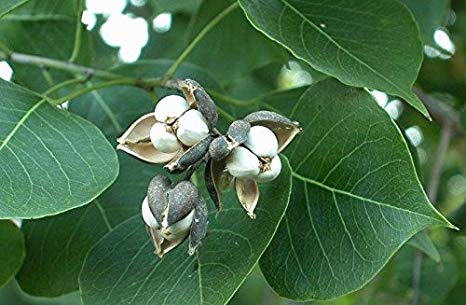
I am a lover of trees — all trees. I religiously follow the life cycle of the only tree in my yard. It’s a Chinese Tallow tree and every botanist calls it a nuisance tree, an invasive species that should be controlled. I find the tree fascinating, even mesmerizing, as it changes.

57891E38-0267-4B76-8B1C-7F0BCEEE1412

Not only do the heart-shaped, bright green leaves turn yellow, orange, purple and red in autumn, but the tree produces seeds that start out green, turn brown-black and then white. The changing colors call my attention to my constant life changes and, in a way, bring the comfort of knowing that we really do survive life changes.

87E8B050-CC6B-4AC6-B717-AE5D7FEB5E8A


The tree captures my spirit every year as autumn approaches. In a way, I meditate on my tallow tree. I watch its changes. I feel the raindrops of its sticky sap that drips on me when I’m under it. I listen to the birdsong that echoes among its boughs. I even hear my tree whisper to me sometimes when the breeze blows through it in just the right way. The tree can call me to introspection. It can inspire me on days when inspiration is beyond my grasp and unfaith threatens. On those days, the inspiration that stirs in me is peace. It is prayer.

I have to admit, though, that I walk past my tree dozens of times a day without notice, taking its shade for granted and completely unaware of its enchanting beauty. Therein lies the human dilemma of dispassionate inattention, our failure to notice or to take in nature’s extravagance. It is when a tree is just a tree. It is when we miss the spiritual experience that creation offers us as gift. 

B5263037-5BBB-4505-AF52-1DC541DB2290There is no better expression I could share than Mary Oliver’s poem, When I Am Among Trees.

When I am among the trees, 
especially the willows and the honey locust,
equally the beech, the oaks, and the pines, 
they give off such hints of gladness.

I would almost say that they save me, and daily.

I am so distant from the hope of myself,
in which I have goodness, and discernment, 
and never hurry through the world 
but walk slowly, and bow often. 

Around me the trees stir in their leaves
and call out, “Stay awhile.”

The light flows from their branches.

And they call again, “It’s simple,”
they say, “and you, too, have come
into the world to do this, to go easy,
to be filled with light, and to shine.”

1EBD15F8-1BF9-468E-9543-51C89F27DCCAOh, to claim our place in the world, to go easy, to embody the message of the trees: “It’s simple!” And then to remember that the changing seed pod, as its life cycle moves around, is really a portrait of rebirth.
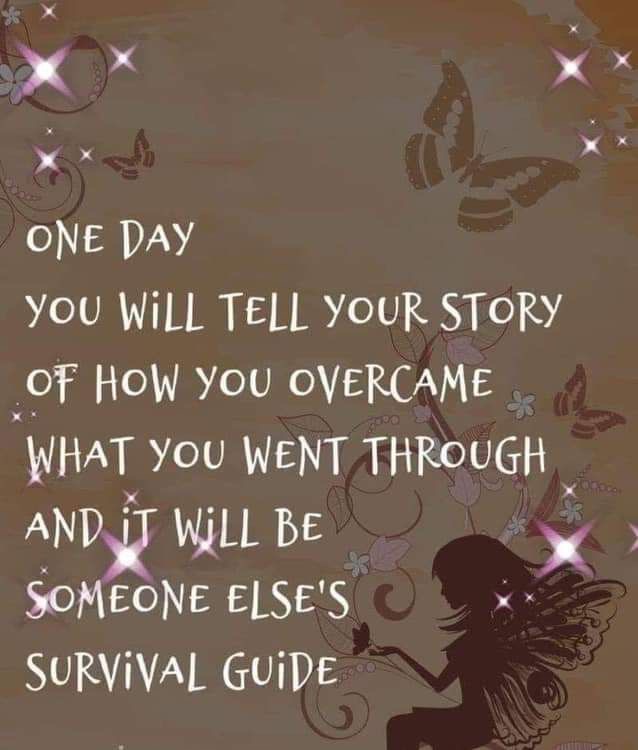
On my way to the car dozens of times a week, might I take notice as I pass my tree, never hurrying, walking slowly and bowing often. Might I see more and hear more and feel more, recalling Mary Oliver’s words:

Around me the trees stir in their leaves
and call out, “Stay awhile.”


******************************

On another note, please pray for me as I await a life-saving kidney transplant. I am grateful that you are walking with me on this journey that often feels so frightening. Your thoughts and prayers mean so much. If you would like to read the story of my illness, please visit the Georgia Transplant Foundation’s website at this link:

http://client.gatransplant.org/goto/KathyMFindley

A “Go Fund Me” page is set up for contributions to help with the enormous costs related to the transplant, including medications, housing costs for the month we have to stay near the transplant center, and other unforeseeable costs for my care following the transplant. If you can, please be a part of my transplant journey by making a contribution at this link:

https://bit.ly/33KXZOj


Community, Emotions, Friendship, Introspection, Laughter, Life Journeys, Memories, Reflection, Relationship, Stories, Vulnerability, Women

All Because of the Stories

9B0410BB-65D0-4A15-82BC-F05226DB1028

Telling our stories is one of the most sacred things we do. I am reminded of that as I enjoy my church’s annual women’s retreat on St. Simon’s Island. Now understand this: being on an island means sun and breezes, ocean waves, white sand and palm trees. So the physical environment of this retreat is very conducive to re-creating. On top of that, our sessions have focused our thoughts on knowing ourselves and finding the peace that comes from mindfulness and balance.

But at lunch today with three of the women, I rediscovered the power of our stories as we each told about vivid snippets of our lives and histories. One person commented that we might never have known these things about each other by just greeting one another in church. She was so right! The retreat gave us the gift of safe space in which to tell our stories.

All four of us delighted in the stories the others told. Each of us grew in our own spirituality as we told one another things about our faith. We shared our dreams. One shared her 15-year plan. Another shared her hopes for the year ahead. Two of us shared parts of life past, as the other two celebrated us.

We shared some pain, too, and some loss. We shared times of disappointment and times of plain old survival. We shared stories that brought laughter to the lunch table. We shared communion, in a way, when we created community — a safe community for sharing some of the experiences that brought such meaning to our lives.

We spoke and we listened. We told our stories, each voice around the table willing to be vulnerable enough to share their lives. There was power in the telling. And then there was another kind of power in the listening.

Each of us — just the four of us — were enriched, emboldened, supported and celebrated in the brief lunch activity of hearing one another’s story.

For today at least, four strangers became friends — all because of the stories.

Bible, Birdsong, Change, Christ's Passion, Chronic illness, End Stage Renal Disease, Faith, Holy Week, Hope, Illness, Introspection, Lent, Mindfulness, Palm Sunday, Prayer, Psalm 23, Resurrection, Soft

On Being Soft

5716AC7C-6335-4D5F-8440-52F82A5C320F

Lent for me was quiet this year. I was sick through most of it, and I spent it pretty much alone, except for the sweet presence of my husband. I didn’t write much. I didn’t paint or craft anything. I was just quiet, and as the forty days passed, I was aware at times of being led by still waters.

Still waters was a spiritual and emotional space I discovered after I was diagnosed with end stage renal disease and throughout my lengthy hospital stays in 2014. So today, I am thinking about some life-sustaining words that were a part of my recovery —  the words of the Twenty-third Psalm, my own version of it.

The Lord is my shepherd. I lack nothing. I have around me and within me everything that I need.

The Lord invites me to stop and to lie down in lush, green meadows.
He leads me beside still waters, 
He restores and refreshes my soul.

He guides me along good and safe pathways for his name’s sake. And for my sake.

Even though I walk through the darkest valley, 
the valley of death’s shadow,

I will not be afraid, for you are close beside me.
Your grace and your care comfort me.

You prepare a place for me, even in the presence of my enemies.
You anoint my head with the oil of gladness.

My cup overflows.

Surely your grace and and your love will follow me all the days of my life,
and I will dwell with you forever.

We know the words of this Psalm far too well. We skip past it as a common text we memorized when we were young. We recite it easily. But the Psalm came to life for me during my year-long illness. It was in my heart, and often on my lips, during long, sleepless nights in the hospital. I experienced the Psalm’s comfort as never before.

As we near the beginning of Holy Week, my thoughts are of the resurrection that comes after the passion, for Christ, yes, but also for me. I’m not thinking of “us.” My thoughts tonight are focused on me, how I experienced my illness in 2014 as my own kind of passion, the passion of confusion, grief, worry, fear. I experienced an expansive and disconcerting view of my mortality, and I did not take to the stark reality of it.

I cannot, of course, even begin to compare my passion to the passion of Christ. Yet in some tender way, I experienced suffering. Palm Sunday comes this Sunday, and in Christian churches everywhere, the people of God will celebrate Christ’s “triumphal entry” into Jerusalem. We will raise our palm branches and shout “hosanna,” as well we should. But Palm Sunday moves us abruptly into the week of Christ’s passion, every pain-filled, grace-filled moment of it. We must not skip that part.

But back to my own passion story, the one that happened the year I thought I was going to die. First you must know a bit about me before the illness. I was persistent and stubborn, a fierce advocate for abused women and children. I did not flinch in a courtroom. I did not shrink when I faced-off with an abuser’s defense attorney. I did not cower standing between a woman and her batterer. I searched the nation to find legal advocacy for abused women and their children. I stood my ground against court-ordered child abuse that would consistently place children in the custody of an abusive parent. I railed against a system that refused to protect children. I was hard. 

The illness came and went over the course of a year. I did not die. Resurrection did come to me, in bits and pieces, slowly, but with the certainty of faith. I was no longer hard. I was movable, malleable, able to be blown about with good and gentle, life-giving breezes. We settled into a new home in a new state, and mostly, I embraced it over time. I fed hummingbirds, listened more deliberately for birdsong, and discovered the way of mindfulness.

When I recovered — slowly — from my illness, I remember the feeling of being soft, though I was not sure what that meant for me. Most certainly, God granted me the patience to move into my resurrection, to embrace it in God’s time, and to wait for it gratefully.

My family said that I emerged from my illness with a change in personality. I was quiet, they said, not like me at all. Inside myself, I knew that they were right. I felt the change. I sat in my own quiet for months. And even now I sense a quietness that wraps me softly as if it were a warm, light blanket. It’s a good place for me, this soft, warm, comforting place.

It’s a good place to continue my resurrection, to learn more about what it means to be soft. As it often happens, I stumbled upon this quote as I wrote this piece. I love the thought it expresses. It resonates with my soul.

Be soft. Do not let the world make you hard.
Do not let the pain make you hate.
Do not let the bitterness steal your sweetness.

— Iain Thomas

These days, I am sensing that a kidney transplant is imminent for me. So to go through that process, I will lean even more into my soft side. That will be a good emotional and spiritual space for me. Soft! Soft facing change and fear. Soft facing uncertainty and new, scary medications. Soft facing the hope of a healthy kidney bringing me a new beginning, a resurrection.

May God continue to lead me beside these still waters. It’s a good place for me to greet resurrection.


Chronic illness, Comfort, Darkness, Despair, Emotions, Faith, Grace, grief, Holy Spirit, Hope, Illness, Inspiration, Introspection, life, Light, Pain, Romans 8:26, Silence, Sorrow, struggle, Trust, Wisdom

To the Other Side of Silence

9F2CA72F-217D-4CF9-A56D-D75B789A45C1
Barbara Resch Marincel, lifeisgrace.blog

Today is another “Wordless Wednesday.” My friend, Barbara Resch Marincel, is a sister blogger, an insightful writer, and a photographer extraordinaire. You can see one of her amazing works in the image on this post. The image reminds me of a dark time that is slowly changing with the glow of new light. And in that light, the flying birds speak to me of the wind of the Spirit. Barbara’s images are a gift to me, always bringing up a range of emotions.

Here is a bit of how she describes herself on her blog, lifeisgrace.blog.

Blogger, writer, photographer, in varying order. Finding the grace in the everyday—and the not so everyday, while living a full and creative life despite chronic pain and depression.

If you take a few moments of your day to visit Barbara’s blog, you will find enchantingly stunning photography that speaks of joy, pain, life and grace.

Back to “Wordless Wednesday.” So many reasons to be wordless. Some people may not have adequate words to express joy. Others cannot speak of deep sorrow. Some of us have no words because of pain, while others are wordless because they have fallen into the depths of depression.

There is no end to the reasons people are wordless, no end to the seasons in which they find they are without words. I have lived in that season many times, and in that place I could not speak of my pain because words were completely inadequate. I could not speak the pain out loud to any friend, and even for prayer, I had no words. Silence was my close companion.

I love that my friend, Barbara, entitles her blog post “Wordless Wednesday” every week, because in the middle of every week, she reminds me of my seasons without words. Her art is a reminder for me to give thanks that I survived those times, and celebrate that I am now on the other side of silence.

But will not forget that it is no small feat to get to the other side of silence. I must remember that it is not easy to endure silent, grief-filled times and to the other side of them. While living in my seasons of unspoken angst, one passage of Scripture brought me comfort and hope.

The Spirit helps us in our weakness; for we do not know how to pray as we ought, but that very Spirit intercedes with sighs too deep for words. 
— Romans 8:26 (NRSV)

When grief has stolen our words, when we cannot speak and find ourselves in silence, may open our lives to hope, trusting the intercession of the Spirit’s sighs that are far deeper than words. 

Thank you, my friend, for “Wordless Wednesdays.”

And thanks be to God for allowing me to move to the other side of silence.

Amen.

Covenant, Friendship, Introspection, Jephthah's Daughter, Judges 11, Lent, life, Reflection, Rhythm, Women

Together Through Lent

0373B40D-24BE-4EAE-8E78-3357B8EC97C7
Watercolor art by Kathy Manis Findley. The watercolor — “Together” — represents the spiritual covenants we share with one another, bonds that strengthen our faith. 

I have always thought of Lent as a spiritual journey we take alone, a solitary season of introspection and self-reflection during which we contemplate our own spiritual well-being and our relationship with God. For me, Lent has always been alone work. But what if it wasn’t? Suppose I experienced Lent with my community — the close community of people with whom I share my spiritual life.

I cannot help but recall the story of Jephthah’s daughter as told in Judges 11. When she faces a terrible crisis that will result in her death at the hands of her father, she makes only one request of her father. “Do what you must do, only grant me this one request: Give me two months to roam the hills and weep with my sisters.”

So she will take this journey up into the hills with her sisters — to mourn, to reflect, to pray. She will not make this journey alone. She makes the journey with the sisters who surrounded her in life and now in death. They climb up into the hills together.

Lent’s forty days represent the time Jesus spent in the wilderness, enduring the temptation of Satan and preparing to begin his ministry. He was there alone, and most often the Lenten journey is a time for reflecting alone. But I think that perhaps there is spiritual benefit in making a Lenten journey together, in community, joining together through invisible rhythms of friendship and caring.

As I make my Lenten journey this year, in my mind I will take my community with me. There into my alone places where God comforts me in my contemplative moments, in my repentance and in my penitence, I will be more mindful this Lent of my spiritual circle of friends. I will make a covenant with them in my mind and heart. I will send them positive thoughts as they make their Lenten journey and I will pray for them intentionally and faithfully.

It will be a together Lent, inspired by the sisters who went into the hills with Jephthah’s daughter where they spent a season of grief in community, together.

I hope that, together, we might embrace a sense of community as one of our Lenten spiritual disciplines, that we might journey together for these forty days, praying for one another, seeking together the serenity, the reflection and the transformation of Lent.

In that spirit of prayer, I leave with you this beautiful prayer written by Rabbi Naomi Levy:

The rabbi in me would like to offer a prayer for you.
I pray you will learn to see you life as a meaningful story.
I pray you will learn to listen to your soul’s insistent yearning.
I pray you will learn to believe you can transform your life.
I pray you will learn to live and shine inside your imperfect life
and find meaning and joy right where you are.
Most of all I pray you will uncover a great miracle: your extra-ordinary life.

— From Hope Will Find You by Rabbi Naomi Levy

Introspection, Lent, Reflection, Self care, Serenity, Stillness

Tending to Yourself through Lent

5C466354-43F2-463A-9C04-1ACD2A85CE01Do you ever just get tired of tending to yourself? I suppose that’s not a relevant question for a general audience. It is, however, a very relevant question for those of us who are aging and/or have chronic illnesses.

I am in those categories: aging and ill. My life changed, as many of you know, in 2014 when I was diagnosed with end stage renal disease. That means my choice was dialysis for the rest of my life, a kidney transplant, or the unmentionable alternative which, very honestly, is death. I am told that without either dialysis or transplant, a person would be looking at two weeks.

So I tend to myself with all the medications, the medical appointments, the processes, the prevention measures — every day. Sometimes it feels like all day. Without a husband who is an indispensable care partner, I would be sunk. To be honest, my needs require both of us to be constantly attentive, and it is exhausting.

Still, I tend to myself, and I do sometimes get tired of having to. But I tend to myself largely without complaint and with unspeakable joy for the grace of being alive, of enjoying my family, my grandchildren, my creative pursuits and my “one wild and precious life” as poet Mary Oliver would call it.

Tending to myself is not just being sure to address my physical health needs. It is even more important to me to tend to my spiritual well-being. One of the things that means for me is choosing a spiritual path for my Lenten journey. I have just one day to choose. Today is Ash Wednesday, an important day for penitents. “From dust you have come and to dust you shall return” is Ash Wednesday’s message. And then we must begin our Lenten spiritual path.

I have to be honest by admitting that I have not yet chosen my path. It won’t be giving up chocolate. It won’t be as much giving as it will be receiving grace on the journey. So as I have contemplated what I will do, I have gathered some resources that I will share here.

I hope you will tend to yourself through your Lenten journey, and I pray that Lent’s forty days will find you walking your sacred path. Breathe deeply. Reflect on your life. Pay attention to your heart. Attend to your soul. Count your gifts. Speak your prayers. Consider Christ’s journey to the cross. Listen for God’s whisper. Receive the grace that comes to you.

All go to the same place; all come from dust, and to dust all return.
— Ecclesiastes 3:20

A FEW RESOURCES YOU MIGHT USE DURING LENT:

  • First of all, I would like to share with you the joy of walking a labyrinth or using a finger labyrinth during the days of Lent. 9889AA3B-16BB-4F9F-9B56-D883A74A49AE

You might find a labyrinth near you in a church, a park or at a spiritual retreat center. You can search at the labyrinth locator website listed below. You may also invest some creative time by making a finger labyrinth like the one pictured. Instructions  are at a link below.

Walking the labyrinth is a spiritual discipline that invites us to trust the path, to surrender to the many turns our lives take, and to walk through the confusion, the fear, the anger and the grief that we cannot avoid experiencing as we live our earthly lives.    — The Rev. Dr. Lauren Artress

Walking the labyrinth clears the mind and gives insight into the spiritual journey. It is a form of walking meditation that can enhance and deepen awareness of God. Labyrinth prayer is a contemplative spiritual discipline on a simple marked path. It is based on the ancient practice of pilgrimage. 

On a pilgrimage, a pilgrim intentionally (1) leaves the world, journeying away from the noise and distractions of life, (2) eventually arrives and rests with Christ, and (3) returns home to live more deeply in God’s presence.

The labyrinth invites us to release, receive and return. Walking the labyrinth is not a newfangled technique to jumpstart your spiritual life. It is a slow, quiet, meditative practice that has historically attended to the desire to make a journey toward God. Laid in the floor of Chartres Cathedral in France around 1220, the labyrinth has been used by pilgrims for centuries.

When you experience the labyrinth, you must give yourself to the path, leaving behind the noise and hurry of life. Just as you would pack simply for a pilgrimage, you offer your load to God as you begin your prayer journey. You move slowly toward the center and toward God. 

At times you are close to the center. Further along the path, you may be farther from the center. This represents the reality of the spiritual journey. As you walk the labyrinth, you can see the center, but you can’t see how exactly you will get there, Sometimes you find you are making surprising turns that seem to take you farther away, not closer. However, if you stay on the path, you will get to the center. Then, you will follow the path from the center and move “into the world” to do justice and love mercy. Labyrinths can be a walking meditation, a spiritual practice or simply an opportunity to calm the mind and enjoy peace, quiet and reflection. 

For resources on the labyrinth, visit https://www.gracecathedral.org/our-labyrinths/

To find labyrinths, visit The Labyrinth Society’s website: https://labyrinthlocator.com

For instructions on making a finger labyrinth, visit https://heatherplett.com/2015/01/make-finger-labyrinth-also-piece-art/

  • Living Well Through Lent 2019:
    Practicing Forgiveness with All Your Heart, Soul, Strength, and Mind

    Living Compass offers a daily email devotional throughout Lent. You will receive forty-seven daily emails, one for each day of Lent, plus Easter. The emails will begin on Ash Wednesday, March 6, 2019. If at any point you no longer want to receive the emails, you can unsubscribe at any time.  https://www.livingcompass.org/lent”>https://www.livingcompass.org/lent</
  • And my personal favorite, LIFT EVERY VOICE

PrintLift Every Voice is a Lenten resource from 2016 that is still relevant in 2019. It addresses America’s original sin of racism through the lens of Ignatian spirituality and includes daily readings. From Ash Wednesday through Easter Sunday, voices from throughout the Ignatian network will lament racial injustice in our communities and reflect on how the Gospel calls us to repent, pray, and act in solidarity with those affected by an enduring legacy of systemic and personal racial discrimination. https://ignatiansolidarity.net/lent-2016/