
I can do this hard thing, this recovery from a kidney transplant. But sometimes I need to shed some tears about it all. Tears do not come out of weakness. In fact, tears are the mark of power. Called “the soap of the soul,” tears can help diminish the angst my soul clings to so tightly. Unfortunately, I tend to fight back tears as if they will hurt as they slip down my cheeks. I also nurse the irrational desire to not let anyone see my tears. After all, someone might consider them a sign of my weakness.
Yet, God has another thought about our tears. God counts our tears, keeps up with them, gathers them up and stores them in a bottle. I can imagine the scene of a loving God gently catching every tear and preserving it as a precious elixir worth saving.
Still I avoid weeping at all costs, portraying a false, less-than-honest strength — especially if someone might see.
Today, I am so aware that if I could just cry, the hard time I am going through would feel easier. If I could cry, my tears would cleanse my heart and help minimize my physical, emotional and spiritual pain. If I could just let my tears fall, I would be reclaiming my power.
The truth is that I did not fully understand how hard it would be to endure a kidney transplant and the very, very difficult aftercare regimen. Nor could I have ever imagined the range of emotions I would experience. This is one of life’s hard things.
Last night though, a dear friend sent me a video of a song she chose just for me, just for this moment of my life. I had never heard the song before, but it was exactly what I needed to hear. A mesmerizing tune and simple lyrics written and performed by Carrie Newcomer, “You Can Do This Hard Thing” brought me to tears, tears that really needed to flow.
You can do this hard thing.
You can do this hard thing.
It’s not easy I know,
But I believe that its so.
You can do this hard thing.
My faith tells me that I really can do this hard thing, although most of the time I don’t feel that I can. The friends and family who surround me with love remind me that I can. My heart tells me I can do this, but my rational mind tries to convince me that I cannot. I am reminded by the hymn writer that grace for this hard thing comes from God . . .
God giveth more grace when the burdens grow greater;
He sendeth more strength when the labors increase;
To added afflictions He addeth His mercy,
To multiplied trials, His multiplied peace.
When we have exhausted our store of endurance,
When our strength has failed ere the day is half done,
When we reach the end of our hoarded resources
Our Father’s full giving is only begun.
So perhaps it does require our tears, our lament that humbles us before our God of grace. The writer of the Book of James seems to suggest that grieving and weeping brings God near and that our mourning actually strengthens us to live through hard things.
God gives all the more grace . . .
Submit yourselves therefore to God . . .
Draw near to God, and he will draw near to you . . .
Lament and mourn and weep.
Let your laughter be turned into mourning and your joy into dejection.
— From James 4 (NRSV)
It doesn’t make much sense that mourning is a good thing, that flowing tears actually cleanse the soul. But I need to see things this way: Life brings changes — hard changes sometimes. Along with the miracle of my kidney transplant comes the end of one season of life and the advent of a new season of life. While I do celebrate the transplant and the ways it will be life-giving for me, I must also grieve the loss of my previous life that had become so comfortable, so easy.
I will call out to my buried tears. I will open up my heart’s pain, grieve my losses and let my tears fall freely down my cheeks. It seems to be the best way to make sure I can do this hard thing.

 I’m getting to know myself. Again! Moving through life takes one through changes large and small. We slip past the small ones pretty much unscathed. But oh, those large ones! The large changes are another story altogether. Sometimes they cause us to miss a step or two. Sometimes they stop us right where we stand. Sometimes they throw us all the way to the ground. But they always get our attention.
 Yesterday, I mused on the tenderness of this season of Advent. The waiting. The darkness. The need to linger in the season with a sense of mindfulness.
 What a caring and compassionate ministry it is to sit beside someone who is grieving and remind them of God’s grace. In recent days, I have wept for and with so many friends who are grieving for what they have lost because of the Florida hurricane. To be sure, there were losses in Georgia and in the Carolinas, but the devastation in and around Panama City was catastrophic.
 I believe my friend who tells us that sunrises anoint our souls . . . like icons of God’s presence.
 How do you live when you know what’s coming? Jesus might have asked himself that question when the crowds were shouting “Hosanna!” and making a big deal of the fact that he was riding into town on a donkey. The Gospel of Mark tells the story well.
 14,000 shoes placed to tell a very, very sad story.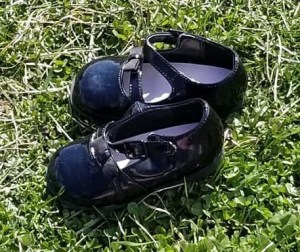

 In these tumultuous days, so many people are grieving. And for them, the skies above are dark, starless, devoid of any promise of hope.
 Years ago, I served The Providence Baptist Church of Little Rock as their pastor. In those days, 1992, I was the only ordained woman who was a Baptist pastor in the state. Because of the strong and vocal disapproval and disdain from Baptists in Arkansas, my ministry at Providence was a lonely nine years.


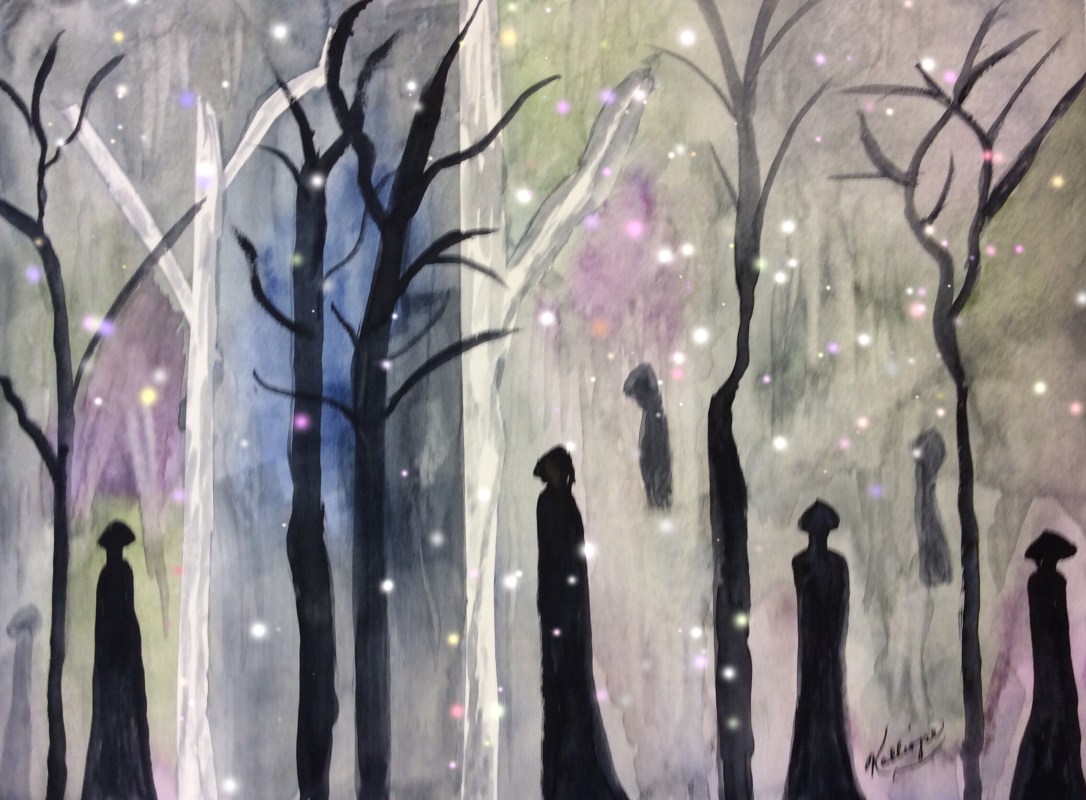

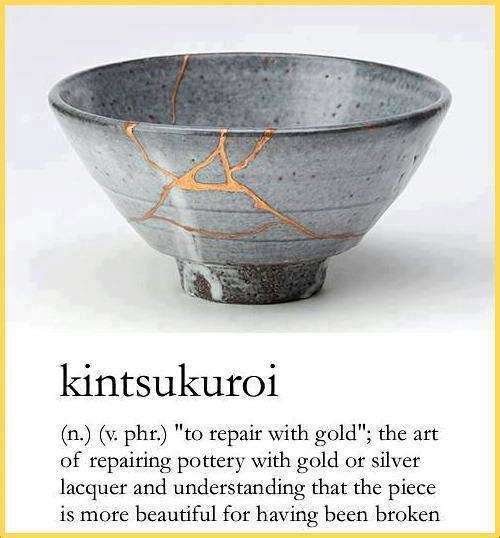
 God of the Sparrow 🌱 By Kathy Manis Findley