Advent, anxiety, Bitterness, Darkness, Despair, Exhaustion, Faith, Fear, grief, Guilt, healing, Hope, Light, Loss, Mental health, Mourning, Pain, Perseverance, Reflection, Sorrow, Soul, Suffering, Unfaith, Weeping, Worry

Dark Night or Advent Light

DF745CFF-118C-480C-B837-0A81F4520CEA

The Second Day of Advent
Transplant Day Twenty-One
December 2, 2019

THE CHRISTMAS SPIRIT

The Christmas spirit
is that hope
which tenaciously clings
to the hearts of the faithful
and announces
in the face of any Herod the world can produce
and all the inn doors slammed in our faces
and all the dark nights of our souls
that with God
all things still are possible,
that even now
unto us
a Child is born!

What could this beautiful poem titled The Christmas Spirit possibly have to do with my recent kidney transplant? At first glance, not much. But lingering on the poet’s words made some of them leap from the page for me. I have to admit that the words most piercing to me are these: “. . . all the dark nights of our souls.”

Guilt overwhelmed me after the transplant was complete. I was back in my room six hours after the surgery — barely awake, a little confused, exhausted, in pain and, they tell me, very quick-tempered. I yelled at my husband, something I may have done twice in 50 years of marriage. The truth is I was feeling covered with a blanket of guilt. The nurses, my surgeon, my family were all celebrating the transplant miracle. I was in pain, second-guessing my decision to even have the transplant in the first place and feeling guilty for not acknowledging the miracle everyone else saw.

For the next two days, every person on my transplant team who came to see me entered my room with a large smile and expressed one word, “Congratulations!” said with joy in a most celebratory voice. All the while, I was often weeping pain’s quiet tears. I stared at each congratulating person with a little bit of concealed contempt. In my mind, if not on my lips, was a response that went something like this: “Congratulations? Do you have any idea what kind of pain I am experienced right now? And have you had this surgery yourself? Save your congratulations for another day!”

The physical pain was very real and very intense. The soul pain hurt even deeper. Body and soul — the physical, spiritual and emotional — were so intricately fused together that it was all but impossible to isolate or separate them. Is this just physical pain? Is part of it emotional pain? Am I experiencing, heaven forbid, a spiritual crisis? I found no way to tell. For me, it was pain in all three parts of me and that made it almost intolerable.

For two nights, I did not sleep at all — awake all night, feeling alone, abandoned and in a wrestling match with my pain. As I went over and over in my mind all the reasons I had for getting a transplant, my thoughts morphed into a fairly clear “What have I done?”

It felt so much like a dark night of the soul as I grieved my aloneness and isolation, mourned the loss of my previous life and felt deep fear of the dark, unknown path ahead. And all of those points of crisis made me feel that guilt for not being grateful for the living gift of a kidney.

As Ann Weems’ expresses in the poem, “Hope tenaciously clings to the hearts of the faithful and announces in the face . . . of all the dark nights of our souls, that with God all things still are possible, that even now unto us a Child is born!”

Twenty-one days separated from my transplant, I am able to attest that hope does cling tenaciously in my heart, that hope announces in the face of the dark night of my soul that with God, all things are still possible. And most importantly, “Unto us a Child is born!”

Into me a Child is born, and that presence empowers me to walk through my soul’s darkest night into the light that Advent brings.

Thanks be to God.


Bravery, Challenge, Change, Courage, Emotions, Faith, Grace, grief, Loss, Music, Pain, Soul, Tears, Weeping

“I Can Do This Hard Thing!”

E32E4944-6CCD-4D2D-AE7E-712C6C8A3191
From https://contemplativemonk.com/about/

I can do this hard thing, this recovery from a kidney transplant. But sometimes I need to shed some tears about it all. Tears do not come out of weakness. In fact, tears are the mark of power. Called “the soap of the soul,” tears can help diminish the angst my soul clings to so tightly. Unfortunately, I tend to fight back tears as if they will hurt as they slip down my cheeks. I also nurse the irrational desire to not let anyone see my tears. After all, someone might consider them a sign of my weakness.

Yet, God has another thought about our tears. God counts our tears, keeps up with them, gathers them up and stores them in a bottle. I can imagine the scene of a loving God gently catching every tear and preserving it as a precious elixir worth saving.

Still I avoid weeping at all costs, portraying a false, less-than-honest strength — especially if someone might see.

Today, I am so aware that if I could just cry, the hard time I am going through would feel easier. If I could cry, my tears would cleanse my heart and help minimize my physical, emotional and spiritual pain. If I could just let my tears fall, I would be reclaiming my power.

The truth is that I did not fully understand how hard it would be to endure a kidney transplant and the very, very difficult aftercare regimen. Nor could I have ever imagined the range of emotions I would experience. This is one of life’s hard things.

Last night though, a dear friend sent me a video of a song she chose just for me, just for this moment of my life. I had never heard the song before, but it was exactly what I needed to hear. A mesmerizing tune and simple lyrics written and performed by Carrie Newcomer, “You Can Do This Hard Thing” brought me to tears, tears that really needed to flow.

You can do this hard thing.
It’s not easy I know,
But I believe that its so.
You can do this hard thing.

My faith tells me that I really can do this hard thing, although most of the time I don’t feel that I can. The friends and family who surround me with love remind me that I can. My heart tells me I can do this, but my rational mind tries to convince me that I cannot. I am reminded by the hymn writer that grace for this hard thing comes from God . . .

God giveth more grace when the burdens grow greater;
He sendeth more strength when the labors increase;
To added afflictions He addeth His mercy,
To multiplied trials, His multiplied peace.

When we have exhausted our store of endurance,
When our strength has failed ere the day is half done,
When we reach the end of our hoarded resources
Our Father’s full giving is only begun.

So perhaps it does require our tears, our lament that humbles us before our God of grace. The writer of the Book of James seems to suggest that grieving and weeping brings God near and that our mourning actually strengthens us to live through hard things.

God gives all the more grace . . .
Submit yourselves therefore to God . . .
Draw near to God, and he will draw near to you . . .
Lament and mourn and weep.
Let your laughter be turned into mourning and your joy into dejection.

— From James 4 (NRSV)

It doesn’t make much sense that mourning is a good thing, that flowing tears actually cleanse the soul. But I need to see things this way: Life brings changes — hard changes sometimes. Along with the miracle of my kidney transplant comes the end of one season of life and the advent of a new season of life. While I do celebrate the transplant and the ways it will be life-giving for me, I must also grieve the loss of my previous life that had become so comfortable, so easy.

I will call out to my buried tears. I will open up my heart’s pain, grieve my losses and let my tears fall freely down my cheeks. It seems to be the best way to make sure I can do this hard thing.

Comfort, Daybreak, Discovering, God's presence, grief, Heartbreak, Praise, sadness, Silence, sunrise

From the Rising of the Sun

9C2D3103-AD71-4636-9068-9FEB5BB0C515
Just after sunrise on Arkansas’ Mount Nebo. Photography by Brad Burleson.

Praise the Lord!
Praise, O servants of the Lord;
praise the name of the Lord.

Blessed be the name of the Lord
from this time on and forevermore.

From the rising of the sun to its setting
the name of the Lord is to be praised.

The Lord is high above all nations,
and his glory above the heavens.

Who is like the Lord our God,
who is seated on high,
who looks far down
on the heavens and the earth?

He raises the poor from the dust,
and lifts the needy from the ash heap,
to make them sit with princes,
with the princes of his people.

He gives the barren woman a home,
making her the joyous mother of children.

Praise the Lord!

— Psalm 113 (NRSV)

The Palmist assures us that the sun rises and sets. The Psalmist speaks to us of the comfort of sameness, of something we can count on. But this Psalm says more. The Psalmist pictures God, not only as One who is to be praised, but also a God who is the helper of the poor and needy. This is a God-image that we need in these troubled times. The Psalmist’s story sings with praise to God, but then continues on, showing us a God who raises up those who are poor and lifts up the people whose needs are great. And nestled in the words of this Psalm are the words we have long heard:

From the rising of the sun unto the going down of the same,
the Lord’s name is to be praised. (KJV)

What a comfort it is to know that when the sun rises, God will be God, and when the same sun sets, God will be God — a constant, divine presence. The sun will sink into the horizon, leaving darkness around us. Yet, the next day will dawn, the sun will rise as it always does and God will still be present, ever watching over us.

There are times when I have needed to know that God was in place, times when I was poor in spirit, needy in heart. There are times when sadness and worry have silenced my praise. In such a time, I was unable to speak, unable to even name my silences. In those times, my silences were deep. They were hidden, unspoken places of pain.

What I now know is that my pain would ease, that my spirit would again rejoice, and that my silences would find words. That knowledge enables me to lift my eyes to the sunrise of God and to rest in the assurance of God’s abiding presence with me. 

When storm clouds threaten, God is present. 

When the earth beneath my feet quakes, God is present. 

In sunshine and in shadow, God is present.

Blessed be the name of the Lord
from this time on and forevermore.

From the rising of the sun to its setting
the name of the Lord is to be praised.


F9FA5D3C-53F0-4043-8A72-F9E2D63F7349

On another note, please pray for me as I look toward my kidney transplant on November 15th. I am grateful that you are walking with me on this journey that often felt so frightening. Your thoughts and prayers mean so much. If you would like to read the story of my illness, please visit the Georgia Transplant Foundation’s website at this link:

http://client.gatransplant.org/goto/KathyMFindley

A “Go Fund Me” page is set up for contributions to help with the enormous costs related to the transplant, including medications, housing costs for the month we have to stay near the transplant center, and other unforeseeable costs for my care following the transplant. If you can, please be a part of my transplant journey by making a contribution at this link:

https://bit.ly/33KXZOj


Christ’s Resurrection, Darkness, Death, Easter, grief, Mourning, Resurrection, Uncategorized

Resurrection!

DBAA4746-144B-4AC0-9132-B0E3CDEB06EB
“Art: Resurrection Morning” by James Martin

As people often say, things come and go. Today the resurrection came, so clearly in our worship service and especially in our Sunday School class. When we are gathered in community, the sharing of our lives becomes resurrection for us all. So for us resurrection came, but it did not go.

It remains in the resurrection stories we share and in the ways we bear witness to the grace-full acts of God. The stories around the circle were about places of darkness and death and about the resurrection that always follows. For some, physical health reaches a dark place and we pray for the resurrection to come in their lives. For others, emotions around fear are on the surface and we pray for the resurrection to overcome the fear. Still others grieve for friendships that feel like the end, and we pray for the resurrection they need. Others mourn the loss of friends to death and, as we pray for the healing of those left behind, we also rejoice in the promise of resurrection for those that leave their earthly life.

Death comes in myriad ways. But resurrection comes, every time, to shatter death’s darkness in ways that seem like mighty wonders and wondrous acts of God. Ready or not, resurrection comes to us and makes its home in us. We are resurrection people because we made the choice to proclaim to the world that Christ is risen! 

The Scripture gives us so many stories of resurrection. Sacred texts allow us to look into the lives of many people who have looked at death and have come through it to resurrection. And in our own lives, we can bear witness to the glorious reality that we know the One who is “the resurrection and the life,” that because we believe in the Christ, we will never die. (John 11:25-26)

As you enjoy Easter and lean into the resurrection that never leaves you, think on these Scripture texts:

Mary stood weeping outside the tomb. As she wept, she bent over to look into the tomb; and she saw two angels in white, sitting where the body of Jesus had been lying, one at the head and the other at the feet. They said to her, “Woman, why are you weeping?” She said to them, “They have taken away my Lord, and I do not know where they have laid him.” 

When she had said this, she turned around and saw Jesus standing there, but she did not know that it was Jesus. Jesus said to her, “Woman, why are you weeping? Whom are you looking for?” Supposing him to be the gardener, she said to him, “Sir, if you have carried him away, tell me where you have laid him, and I will take him away.”

Jesus said to her, “Mary!” 

She turned and said to him in Hebrew, “Rabbouni!” (which means Teacher). Jesus said to her, “Do not hold on to me, because I have not yet ascended to the Father. But go to my brothers and say to them, ‘I am ascending to my Father and your Father, to my God and your God.’” Mary Magdalene went and announced to the disciples, “I have seen the Lord”; and she told them that he had said these things to her.

— John 20:11-18 (NRSV)


Blessed be the God and Father of our Lord Jesus Christ! By his great mercy he has given us a new birth into a living hope through the resurrection of Jesus Christ from the dead, and into an inheritance that is imperishable, undefiled, and unfading, kept in heaven for you, who are being protected by the power of God through faith for a salvation ready to be revealed in the last time. 

In this you rejoice, even if now for a little while you have had to suffer various trials, so that the genuineness of your faith—being more precious than gold that, though perishable, is tested by fire—may be found to result in praise and glory and honor when Jesus Christ is revealed. 

— 1 Peter 1:3-7 (NRSV)


With great power the apostles gave their testimony to the resurrection of the Lord Jesus, and great grace was upon them all.

— Acts 4:33 (NRSV)


*James Martin’s art is available at http://www.veritasse.me.uk/artists/james-martin/

Chronic illness, Comfort, Darkness, Despair, Emotions, Faith, Grace, grief, Holy Spirit, Hope, Illness, Inspiration, Introspection, life, Light, Pain, Romans 8:26, Silence, Sorrow, struggle, Trust, Wisdom

To the Other Side of Silence

9F2CA72F-217D-4CF9-A56D-D75B789A45C1
Barbara Resch Marincel, lifeisgrace.blog

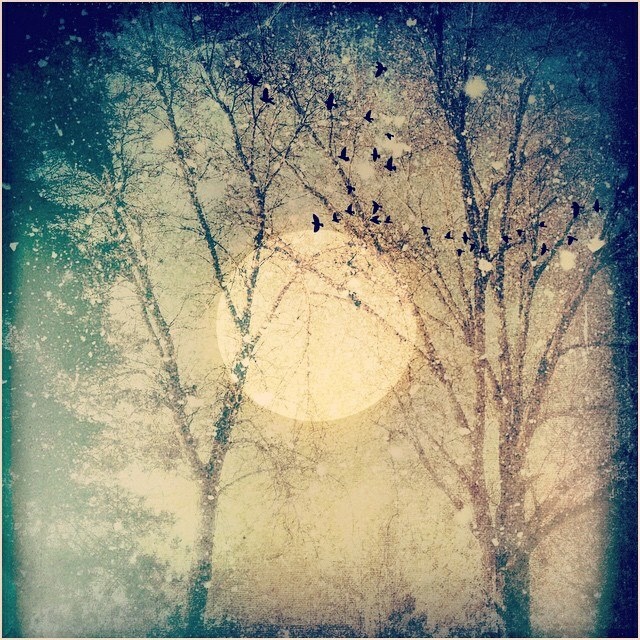
Today is another “Wordless Wednesday.” My friend, Barbara Resch Marincel, is a sister blogger, an insightful writer, and a photographer extraordinaire. You can see one of her amazing works in the image on this post. The image reminds me of a dark time that is slowly changing with the glow of new light. And in that light, the flying birds speak to me of the wind of the Spirit. Barbara’s images are a gift to me, always bringing up a range of emotions.

Here is a bit of how she describes herself on her blog, lifeisgrace.blog.

Blogger, writer, photographer, in varying order. Finding the grace in the everyday—and the not so everyday, while living a full and creative life despite chronic pain and depression.

If you take a few moments of your day to visit Barbara’s blog, you will find enchantingly stunning photography that speaks of joy, pain, life and grace.

Back to “Wordless Wednesday.” So many reasons to be wordless. Some people may not have adequate words to express joy. Others cannot speak of deep sorrow. Some of us have no words because of pain, while others are wordless because they have fallen into the depths of depression.

There is no end to the reasons people are wordless, no end to the seasons in which they find they are without words. I have lived in that season many times, and in that place I could not speak of my pain because words were completely inadequate. I could not speak the pain out loud to any friend, and even for prayer, I had no words. Silence was my close companion.

I love that my friend, Barbara, entitles her blog post “Wordless Wednesday” every week, because in the middle of every week, she reminds me of my seasons without words. Her art is a reminder for me to give thanks that I survived those times, and celebrate that I am now on the other side of silence.

But will not forget that it is no small feat to get to the other side of silence. I must remember that it is not easy to endure silent, grief-filled times and to the other side of them. While living in my seasons of unspoken angst, one passage of Scripture brought me comfort and hope.

The Spirit helps us in our weakness; for we do not know how to pray as we ought, but that very Spirit intercedes with sighs too deep for words. 
— Romans 8:26 (NRSV)

When grief has stolen our words, when we cannot speak and find ourselves in silence, may open our lives to hope, trusting the intercession of the Spirit’s sighs that are far deeper than words. 

Thank you, my friend, for “Wordless Wednesdays.”

And thanks be to God for allowing me to move to the other side of silence.

Amen.

Change, Compassion, Gofts in Open Hands, grief, journey, Lent, Life Journeys, Life pathways, Lostness, Maren Tirabassi, Risk, Travel, Vulnerability, Wisdom

Rough, Broken Roads

5E982E74-6C78-42E3-BA27-C642528A9C0CI think often about roads, the roads that take people where they want to go, or not. I think with deep fondness about the terribly rough and broken roads we traveled in Uganda. The time was immediately after the horrific reign of Idi Amin that left the roads, and the entire country, in shambles. I remember the difficulty in traveling those rough, broken roads — washed out, bombed out, neglected for years.
I remember the fear of traveling those roads, the frightening military roadblocks, the pointed machine guns, the soldier’s demand for all that we carried in the vehicle and even the vehicle itself. I remember how some of our missionaries were left in the bush with their vehicle “confiscated” by the occupying army. I remember the roadblock murder of the dear Ugandan man who drove our mission’s supply truck.

I think of traveling a road in the middle of the night that led to my brother’s funeral, made rough by grief. I think of the rough road I traveled in leaving my home of 32 years for a new and unfamiliar place. I can never forget my rough road through serious illness and difficult recovery.

I think of roads that take people where they do not want to go — to war, to prisons, to rehabilitation centers, to the sites of natural disasters. I think about the roads in disaster areas that are simply gone.

I remember a song in a Christian musical of many years ago titled “Rough Old Roads.” It told of the rough roads Jesus walked. The song’s climactic moment gave us these words: “the road that was roughest of all to walk was the road that led to the cross.”

It is appropriate for us during Lent to recall the rough roads Jesus walked, rough for so many reasons: rejection, danger, soul temptation, angry crowds and lynch mobs, and ultimately the rough road that Jesus walked to the cross, to his death. To learn of his roads means that we get a glimpse of our own. The roads we all walk.

None of us can avoid walking the rough and broken roads that appear before us, but it is in traversing those roads that we learn who we are. Rough roads force us to take the hard and narrow way, and thus become who we must ultimately become. Roads can wind around so that we are lost, thus inviting us to take the risk of vulnerability required for an unknown and uncharted journey. Our roads teach and challenge us. When the road ahead of us is rough or broken, our commitment to stay the course results in wisdom. I call it wisdom from the journey. Our rough, broken roads make us stronger and more resilient. The rougher they are, the more we change and grow.

I could bore you with even more personal reflection about rough roads, but instead I want to share a moving poem written by Maren Tirabassi.* In the poem, she writes of broken roads and calls for a God who attends to all who find themselves on broken roads.

Here are Maren’s moving words:

I was praying this morning, God,
for all the people in Mozambique
and Malawi and Zimbabwe,
in the midst of the terrible losses
from cyclone Idai —
the deaths and injury and destruction,
the ongoing need for rescue

and I learned that the roads are broken.

I should have known —

the roads between towns
are impassable,
the bridges smashed, ports unusable.
Also those other paths —
electricity, telephone, Internet,
are gone as well.

And I went from that
flat-hand-on-the-newspaper prayer,
to the jail and my meeting
for spiritual care
and walked among others
with no access

and realized that journey
is not a parable for Lent
for these,
your children on the inside.

And so holy Valley-uplifter,
Rough-place-leveler,
I call you to attend
to all who suffer broken roads —

broken highways or heartways,
or sometimes minds that cannot
find a way out of whatever
dead end they are in,

and teach me to pay attention, too,
put my back against
every road block,
become an opener of the way home.


May God make it so. Amen.


*Maren served as a pastor in the United Church of Christ for thirty-seven years in Massachusetts and New Hampshire and is the author or editor of 20 books. You may read more of her creative and soulful writing at her blog, “Gifts in Open Hands” at the following link:

https://giftsinopenhands.wordpress.com/2019/03/21/10101/


Brokenness, Change, Chronic illness, Discovering, Emotions, grief, healing, life, Loss, New Normal

On to a New “New Normal”

7519DB43-1B31-43A9-9528-84655345CC44I’m getting to know myself. Again! Moving through life takes one through changes large and small. We slip past the small ones pretty much unscathed. But oh, those large ones! The large changes are another story altogether. Sometimes they cause us to miss a step or two. Sometimes they stop us right where we stand. Sometimes they throw us all the way to the ground. But they always get our attention.

Chronic illness is one of those ‘knock-you-to-the-ground” changes, especially when an illness happens suddenly. In a recent New York Times article, Tessa Miller shares how sudden illness changes one’s life and how chronic illness changes life forever. 

“Seven Thanksgiving ago, I got sick and I never got better,” Miller writes. She goes on to describe the conundrum of chronic illness. 

When I was diagnosed, I didn’t know how much my life would change. There’s no conversation about that foggy space between the common cold and terminal cancer, where illness won’t go away but won’t kill you, so none of us know what “chronic illness” means until we’re thrown into being sick forever.

I can identify with the changes Tessa Miller describes. The onset of my chronic illness five years ago was sudden, unexpected and permanent. My kidneys failed — simple as that. And I entered into the unfamiliar world of daily dialysis, a world I never expected to be in. And, yes, it was life-changing.

Tessa Miller makes another very insightful point. She explains how, once you find yourself in the fog of the changes you’re facing because of a chronic illness, one change presents the biggest challenge – the change in your relationship with yourself.

There is no debate: when chronic illness disturbs the equilibrium of your life, your relationship with yourself changes. You grieve a version of yourself that doesn’t exist anymore, and a future version that looks different than what you had ever imagined.

Chronic illness can shatter career goals and life plans. You learn learn a “new normal” in their place. But the acceptance of a “new normal” comes after the trauma. And trauma does happen, trauma that necessarily calls for therapy, either formal or informal.

Emotional work definitely needs to be done, and emotional work around chronic illness can look a lot like grief therapy for a passing loved one. You lose your self, at least temporarily. Your self changes.

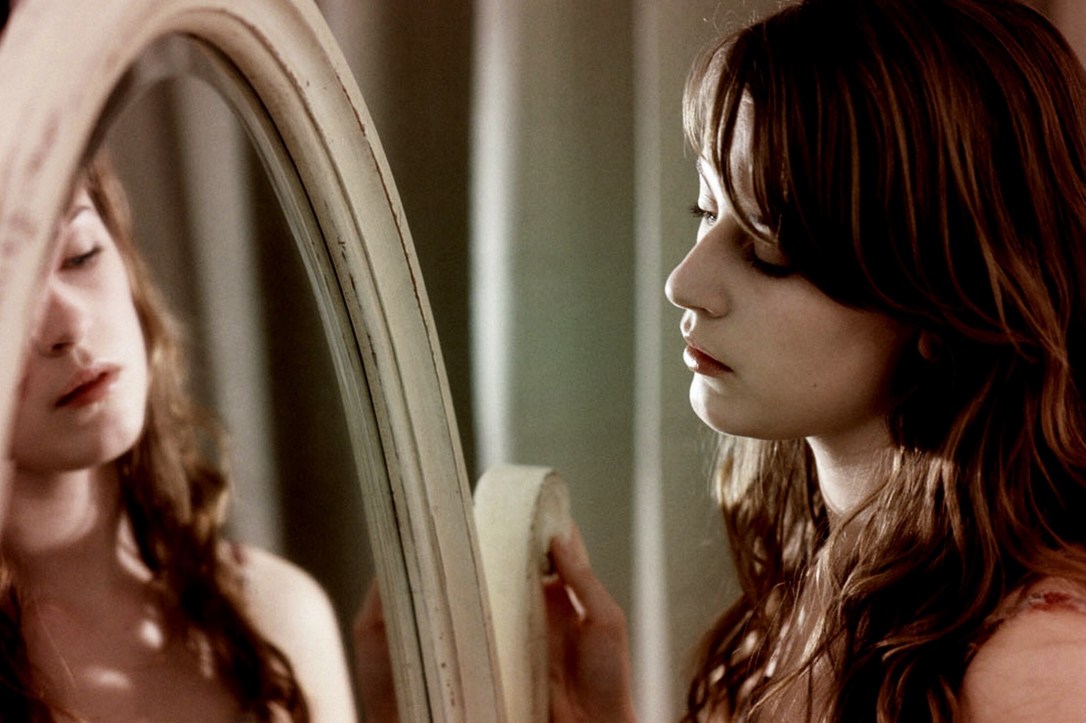
So make sure to spend some time looking for YOU. Intentionally. Being open to whatever you find in yourself. Practice seeing yourself as the person you are instead of the person you were. Looking in the proverbial mirror gives you an image of the new version of yourself. Get to know her. Celebrate her resilience. Above all, be patient as you get to know her. You may be surprised at how much you like and admire her.


Despair, grief, Gun violence, Heartbreak, Prayer, Tikkun Olam, Tree of Life Synagogue, Violence, Weeping

Call a Blessing Down


16C3A27C-B8C5-4D8C-BC35-A4A550C9662F
“Angels Blessing the Earth” by Suely Eloy

Bishop Steven Charleston writes, “Help me call a blessing down, for I think our poor old world needs it.”

I have listened this week to folk bemoaning the downward movement of the stock market that diminished their retirement savings. I have heard expressions of real fear about what the president is doing and might do. Many people seem despondent about children taken from their parents and placed in detention centers. People are angry that two young children have died there in the past couple of weeks. People are embarrassed about the way other countries now view America. Every day, there is another reason to feel concern, anger, fear,and many other emotions about what our nation has become.

And on top of that, we see the grief and pain of people all over the world. They face repressive governments in countries like North Korea, Syria, Equatorial Guinea, Turkmenistan, Saudi Arabia, Eritrea, Yemen, Uzbekistan and the Central African Republic.

They have endured natural disasters like the earthquake and tsunami in Indonesia, volcanoes in Guatemala and Hawaii, the dust storm in India, the wildfires in California, flooding and mudslides in Japan, numerous earthquakes around the world. People are living in countries in the midst of wars that persist for decades.

They have witnessed with horror events like the Marjory Stoneman Douglas school ahooting, the Waffle House shooting, the shooting at Santa Fe High School, the Capital Gazette shooting, the Jeffersontown, Kentucky shooting, the Tree of Life Synagogue shooting, the Thousand Oaks bar shooting, the Chicago Mercy Hospital shooting. All over the world, disasters — natural disasters and disasters caused by humans — have the power to bring us to our knees.

On our knees is perhaps the very place we must be. And as we fall to our knees to pray for our world, perhaps we might whisper the Hebrew phrase, Tikkum Olam, heal the world.  Perhaps we might repeat the prayer of Bishop Steven Charleston:

Help me call a blessing down, for I think our poor old world needs it, a blessing of peace, a blessing of the ordinary, a blessing of national life without chaos and personal life without fear. 

Help me pray a healing down, for I know how much we need it, a strengthening of the bonds between us, simple respect and patient listening, a new beginning for us all. 

Help me welcome the sacred down, the wide-winged Spirit, drawn from every corner of heaven, to walk among us once more, to show us again how it can be, when justice is the path and love the destination.

Amen.


Advent, Contemplation, Darkness, grief, Hope, Light, Loss, Memories, Mindfulness, Pondering, Sacred Art, Seasons, Sorrow, Waiting

Pondering through Advent

23DCD324-DEFB-436C-8942-C4ADA60DA52AYesterday, I mused on the tenderness of this season of Advent. The waiting. The darkness. The need to linger in the season with a sense of mindfulness.
To be honest, I want to shop with reckless abandon and find fun toys for my grandchildren. I want to bake all manner of Christmas cookie. I want to decorate every corner of my house, and if I had my way, ours would be one of those houses that people drive by at night to see all the twinkling lights.

But on that outdoor winter wonderland, I definitely do not have my way. My husband’s days of hanging lights on the gutters, placing a Santa on the roof, and wrapping the trees in tiny, twinkling lights are over. He has happily passed out of that season of his life.

For me, yesterday was baking day, and I made a new discovery about mindfulness and cookie baking. The two activities pair well. Dropping cookie dough by the spoonful onto a baking sheet is slow work. It gives one time to ponder. And pondering a is a good thing to do in Advent days. Good lesson learned, with the added bonus of having 200 cookies in the house!

While dropping cookies, one by one onto an old, scratched up baking pan, I pondered. Some thoughts hinted at my inner sadness. Other thoughts were of friends who are very ill and are walking this Advent journey in darkness. Other friends have lost people in their lives, and on this day, they find themselves in mourning.

As I do in most Decembers, I find myself, along with others in my family, feeling the sadness of having lost my youngest brother, Pete, to cancer. It happened many years ago, yet the hurt remains.

No doubt, this Advent journey can be a tender time. Yet we journey into the days ahead, not with a spirit of despair, but with a glimmer of hope. Even in the darkness, we begin to awaken, knowing that something new will be born in us just as it has every Advent. This is the season when we wash our faces and rub our sleepy eyes until we wake up, eyes wide open to the Light that sleeps in a manger.

Mary treasured up all these things and pondered them in her heart.

— Luke 2:19 New International Version (NIV)

Like her, I am spending my Advent days pondering — moving in mindfulness while holding tender feelings, heart longings, mourning in the soul.

And, of course, I’m waiting in the darkness. But I know, without a doubt, that light will shine. It always does.


Compassion, grief, Gun violence, Hate, Sorrow, Tree of Life Synagogue, Violence

Remembering

34E60DDC-AACB-4E7A-9C25-E72AE0E7C44D
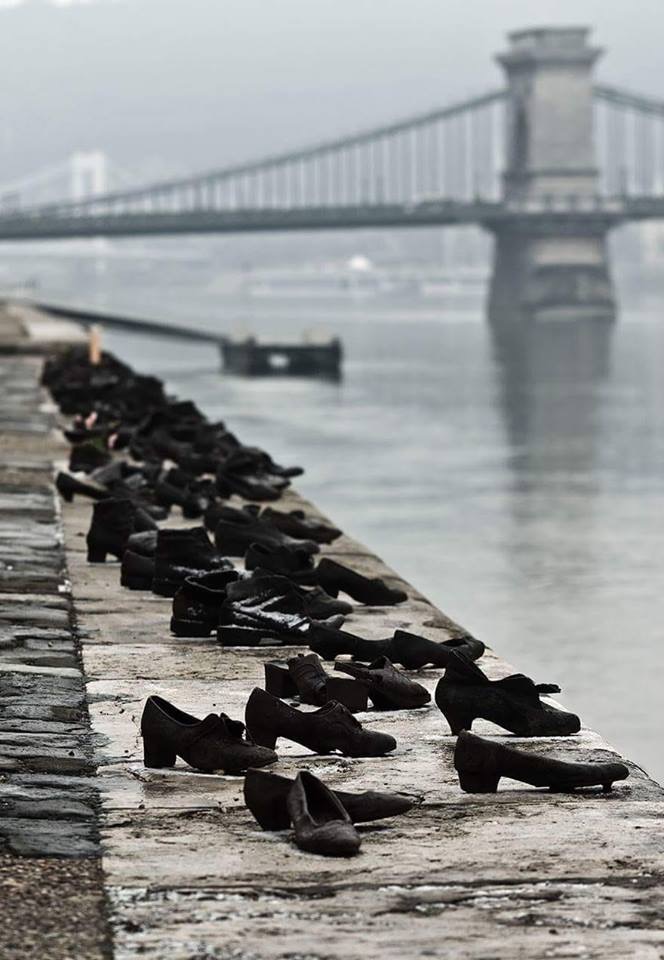
“Shoes on the Danube Promenade” by Can Togay and Gyula Pauer.

I cannot let it go — the unconscionable tragedy against the worshippers at Pittsburgh’s Tree of Life Synagogue. One week after eleven people were gunned down there, 100 people gathered on a cold, drizzly Saturday outside the still unopened place of worship for a “healing service.”

We gathered in Macon as well, to stand in solidarity, remember those who lost their lives, pray for their grieving families, and keep vigil with our Middle Georgia Jewish community. I do not know the capacity of Temple Beth Israel, but I do know that every pew was filled, people were standing along every wall and in every corner and flowing out onto the sidewalk. I was moved, as were many, by the outpouring of love and support expressed in the Macon Shabbat Service.

And so it should be. All of us must pay close attention to the stark reality that this was one of the deadliest attacks on Jews in United States history. To guard against this kind of violence, we  must link hands without considering race, ethnicity, religious tradition, gender, age, sexual orientation or any label that divides us. We must love our neighbor as we love ourselves. We must never forget the history that allowed hate and violence to harm various groups of people.

During WWII, Jews in Budapest were brought to the edge of the Danube, ordered to remove their shoes, and shot, falling into the water below. Sixty pairs of iron shoes now line the river’s bank, a ghostly memorial to the victims. It is one of many memorials erected to remind us, to ensure that we will never forget and never repeat such history.

May God make it so.


All Saints, Brokenness, Fear, Grace, grief, Gun violence, Hate, healing, Hope, Mourning, Prayer, Tikkun Olam, Tree of Life Synagogue, Violence

All Saints

05314FDF-2986-4602-8EF9-B1839FE693CEWe all need a glimpse of hope and comfort in these troubling days. Our thoughts and prayers are with our brothers and sisters of the Tree of Life Synagogue, and we are shocked at this and other recent acts of violence and evil. So today, I share with you the writing of Jemma Allen* in hopes that you will find her words as compelling and comforting as I have.
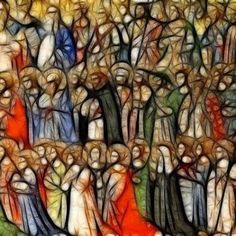
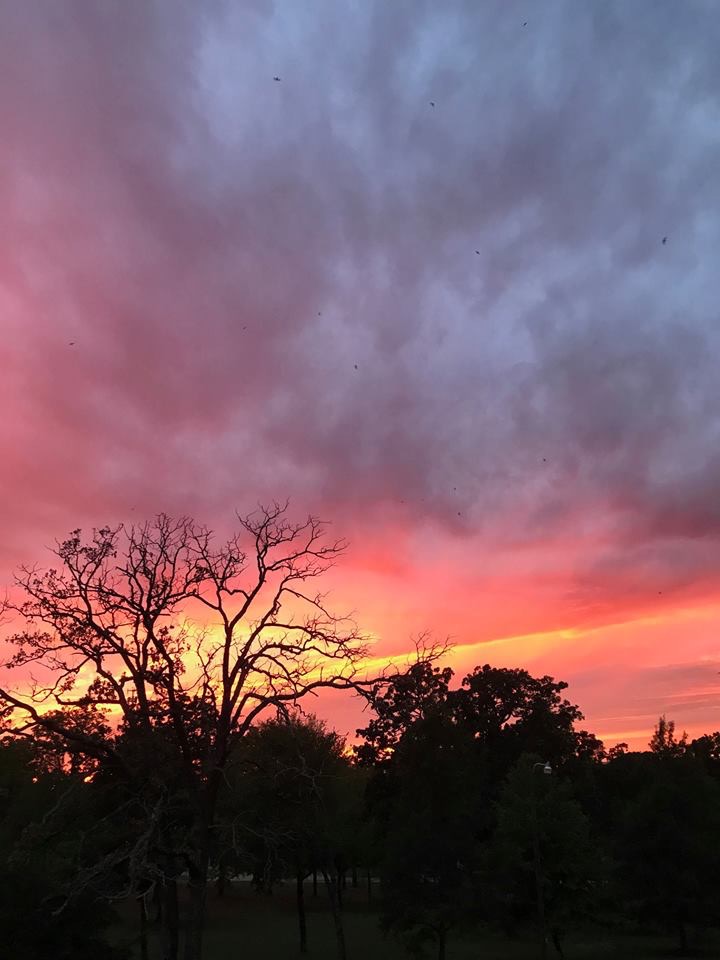
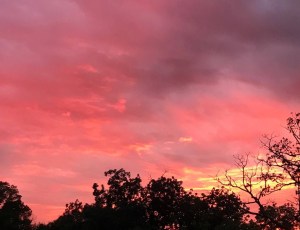
This week in many liturgical traditions we observe All Saints Day, and perhaps All Souls. In some places there is an opportunity to say the names, to light candles for, to ring the bell for those we love but see no longer, parted from us by death.  

All Saints and All Souls compel us to look death squarely in the face,
to acknowledge our mortality, and the mortality of those we love,
and still to make our song: Alleluia!

This is a season where we boldly proclaim
that death is not the last word.
Death, and fear of death, does not hold the power
to determine how we will live.

We are the dearly beloved children of the living God,
we are baptized into Christ’s death and resurrection,
we are looking to a future where justice and mercy kiss,
where nations will not learn war anymore,
where the lion lies down with the lamb,
where all things are reconciled to God.

This is our hope.
It is a hope that no power can destroy, tarnish or mar:
not white supremacy,
not anti-Semitism,
not any kind of hatred,
not any system of domination,
not any disease,
not any heartbreak. 

And when we cannot hold that hope for ourselves,
let us lean into the hope we can hold together
as communities of life, as communities of resistance,
as hope-bearers and pilgrims on the Way. 

0F547F1D-1DC0-40C3-A16E-E34DB2350099

Give rest, O Christ, to your servants, with your saints,
where sorrow and pain are no more, neither sighing, but life everlasting.
You only are immortal, our Creator and Maker;
and we are mortal, formed of the earth, and to earth we shall return.
All of us go down to the dust; yet even at the grave we make our song: Alleluia, alleluia, alleluia.

 – Russian Orthodox Kontakion of the Departed, Jim Cotter’s translation.  


*Jemma Allen is a priest in the Anglican Church of Aotearoa, New Zealand and Polynesia and a counsellor and spiritual director in private practice.  She serves on the Board of RevGalBlogPals and counts the RevGal community as one of her communities of life and resistance.

Comfort, Darkness, Daybreak, Despair, Faith, Fear, God's presence, grief, Hope, Life storms, Loss, Mourning, struggle, sunrise, Tears, Vulnerability

Icons of God’s Presence

5388C091-C6CE-402C-A3DB-77B0DD838A84
Photography by Sister Macrina Wiederkher

“Sunrises anoint my soul. They are quiet prayers, icons of God’s presence.”

These are words written by my friend, Sister Macrina Wiederkher. Her words resonate with our times as we hold in the light our brothers and sisters in Florida. Their loss is immeasurable, and although we know that loss of home is not as tragic as loss of life, it is a deeply felt emptiness to lose your home and all its contents.

So many are in that heartbreaking place today, and when the night falls on this night, they will not know the safe security of home. We have only a small awareness of their heartache, but God is fully aware of all they have lost. God knows their grief and their fear, their uncertainty of the future. Sometimes all we can count on is that God knows our deepest sorrow and anoints our souls when we need it most. 

Our comfort is this: that after every storm, there is a calm. When ominous, dark clouds of destruction fill the skies, we can know with certainty that the sunrise will come.

B2904AA9-02C4-480E-B061-D174E9810346I believe my friend who tells us that sunrises anoint our souls . . . like icons of God’s presence.

And I believe it for all of the Florida folk who have lost so much.

Aging, Faith, grief, Illness, Joy, Life Journeys, Lightheartedness, Music, Pain, simple joys, Sorrow

Joy

102F7D81-F946-4E11-A42A-07566031DEABAs I often do, I found today, in my lengthy list of unread emails, a plethora of pleas to do something. Save the bees. Save the libraries. Save the children. Save the political candidate . . . and several other things that someone wants to save.  I care deeply about most of those things that need saving, like the libraries and the children and the bees. And I spend a fair amount of time worrying about them and praying for them to be saved.

But for this day, I am laser focused on saving myself, saving myself from the onslaught of various illnesses, from nature’s effects of aging, and mostly, from a life filled with worry where there should be joy.

Memories flood my mind with sweet, little songs from the past: “The joy of the Lord is my strength . . .”  (1)  “I’ve got that joy, joy, joy, joy down in my heart . . .” (2) Simple songs they were for us when as children we learned every word and took the melodies into our hearts to recall in the years to come.

And so today, I recall them, realizing that whatever may come, I have joy in my heart, and most of all, that I am leaning into the truth that the joy of the Lord is my strength. These were good and positive lessons to learn as a child, with simple music as the teacher. So today, I remember the songs, singing them silently as I write. Singing them aloud would most surely disturb the household. So I keep silent.

It can be a dangerous thing to keep silence, for in those silent times, there can be a flood of memories, thoughts, recollections, and the sacred space so essential to the spiritual life. Today’s sacred space brings these words to my heart:

The Lord is my strength and my shield;
in him my heart trusts;
so I am helped, and my heart exults,
and with my song I give thanks to him.

— Psalm 28:7 (RSV)

You are being strengthened with all power according to his glorious might, so that you might patiently endure everything with joy.

— Colossians 1:11(ISV)

Nehemiah said, “Go and enjoy choice food and sweet drinks, and send some to those who have nothing prepared. This day is holy to our Lord. Do not grieve, for the joy of the Lord is your strength.”

— Nehemiah 8:10 (NIV)

On top of my end stage kidney disease, debilitating fibromyalgia, diabetes, and an almost constant barrage of new diagnoses, I have one job really: to find ways of guarding the joy that makes its home in my heart, to patiently endure whatever comes with joy. I must trust that joy really is there in my heart. I must believe that joy is still a part of my faith. I must know that joy has been with me on my journey, every day, at every turn, over every mountain and through every valley.

I must guard my joy lovingly and persistently. And I must guard my heart, joy’s dwelling place. When new illnesses come along, new concerns, new challenges, new problems and new sorrows, perhaps the most important thing I can do is to guard my heart.

Along with the other passages of scripture that have entered my sacred soace today, there is another tiny scripture passage that has moved me over the years. The writer of the book of Proverbs begins chapter four with a list of life instructions, and for twenty-two verses, the writer admonishes the reader to be vigilant, to be careful, to hold on to instruction, to avoid the path of the wicked, etc. And then in verse 23, the writer of the everlasting wisdom of the Proverbs gives us one more tidbit of advice and advises us to pay attention to this one instruction, above all else.

Above all else, guard your heart,
for from it flow the wellsprings of life.

— Proverbs 4:23 

I am never 100% certain about the meaning of scripture passages, but this one feels very clear to me — guard your heart and the wellsprings of your life will flow from it. I think the wellsprings might be joy! Not such a simple message, is it, that we have “joy down in our hearts to stay.”


(1) The Joy of the Lord Is My Strength, written by Alliene Vale, ©️1971, Universal Music.

(2) Joy In My Heart, written by George William Cooke, 1925

Comfort, Contemplation, Division, Faith, grief, healing, Hope, Justice, life, Serenity

Sitting Open-Handed Before God

71184739-B4D2-4F2F-897E-1EAD2C2A56EAWhat is it like to sit open-handed before God? To abide with a compassionate God who knows the grief we are carrying? To sit in the glowing presence of a God who, not only knows the deep angst of our nation, but who can also transform it?

Yes, many of us are grieving the current state of our nation. We see our nation’s pain, just as we see the pain of the world. Yet, we who are Christ-followers live with great advantage in this pain-filled world. Yes, we grieve the divisions in our nation and lament at the ways we seem to have lost our compass of compassion, mercy and justice. We feed those who already have abundant sources of food. We provide health care to those who can afford their own. We hold open the voting entrances for those who can get there with the proper credentials. But for the people who hunger, the families that are homeless, the elderly, the children incarcerated at our borders, the prisoners, the helpless, the marginalized . . .  well, for them, we offer prayers, if we think of them at all.

So what is our great advantage? It is that our faith can carry us into spiritual realms where hope is large and dreams are possible. It is that we enjoy access to spiritual community with an accessible God. It is the spiritual luxury of quiet contemplation that opens our hearts to the whispers of God. And yes, I did say whispers of God, for it is almost always a quiet voice that beckons us into a world of turmoil. It is a quiet God-Voice that rekindles our compassionate hearts, speaks to us through the noise of discord in our nation, and shows us the good path we must follow.

We need not despair or cry out in anger or disgust. We need not attack those who seem to be wrecking our country. We need not hate those with whom we disagree. We have the great advantage of only this life task: to be silent before God, to sit in God’s presence open-handed, to pray, to listen, to seek, and then to go.

Sister of Social Service Simone Campbell, famously known as “the nun on the bus,” offers us a glimpse into one of the ways we can live as people of faith in a fractured nation. 

Finding a way to not vilify or divide into “them” and “us” in today’s federal politics goes against . . . current custom. . . . So my contemplative practice is to attempt to sit open-handed and listen to the “wee small voice” that sometimes whispers ideas and ways forward.

Simone Campbell

Thanks be to God for the quiet whisper that guides us on the path ahead, the God-Voice that ordains us to heal our nation and comfort our world.

Brokenness, Courage, Despair, Faith, grief, healing, Hope, Kintsugi, Rabbi Yitzchak Luria, Repairing broken things, Tikkun Olam, Wholeness

Whole Again

23A0B57C-5487-4E6C-B48B-C45552916C23So many people have been broken. I join them in their brokenness, for I, too, have been broken. Not just once, but again and again. So I know how it feels to look down in the dust at my feet and see the shards of a broken spirit. I know the emotional response I have when I sit on the ground examining the broken shards, and I know how I despair of the daunting  task of putting the broken pieces back together.

I know the fear of doubting that I will even be able to put them together again. I know the terror of believing that my broken life will forever be broken. I know the suffocating feeling of having been broken beyond repair, without hope, without the faith I will need to repair my own brokenness.

And then, we look at our world, lamenting its groaning in so many ways and in so many places around the globe. Ours is a world that seems broken into pieces. I often find encouragement in the Jewish concept known as Tikkun Olam, a phrase found in the Mishnah that means to heal or repair the world. While Tikkun Olam is used today to define social action and the pursuit of social justice, the phrase has ancient roots with origins in classical rabbinic literature. It means so much more than examining broken pieces and finding a “glue” that might possibly put them back together.

Rabbi Yitzchak Luria* pondered the world’s brokenness and came to believe that, even before time, something must have gone terribly wrong with the world. As he continued to mull it over in his mind, he proclaimed that the world had shattered. He taught that we are anointed to repair a world which he defined as “all that is eternal,” insisting that “at the very core of reality is G-d’s shattered dream, waiting for us to pick up the pieces.”

Things break. The world breaks. Dreams break. We break. Such is the reality we know. And yes, we can become disconsolate as we take on the task of putting the pieces back together again. But there is a higher truth, a more noble calling than just putting together broken pieces. It is the calling to make things whole again, to make the world whole again, to make your spirit whole again.

In Scripture, we find many stories of persons being made whole. Each one looks like a miracle. Remember the story of the woman who had suffered for twelve years?

A woman, who was very ill for twelve years, came behind Jesus, and touched the hem of his garment: For she said within herself, “If I but touch his garment, I shall be whole.”

Jesus turned about, and when he saw her, he said, “Daughter, be of good comfort; your faith has made you whole.” And the woman was made whole from that hour.

— Matthew 9:20-22

Surely it was a miracle that this woman received. But for us, miracles are rare. We are burdened heavily by the brokenness, usually without the benefit of miracles. So what is it around you that is broken? What broken shards do you have before you? A broken relationship? A broken faith community? A broken dream? Is your city broken? Your nation? Your world? Or it it your own spirit that lies in broken pieces at your feet?

I cannot promise you a miracle. Even so, you must pick up the broken pieces and get started. You may get a little help from the people in your life. Then again, they may offer no help at all. But I do know that you have within yourself all the strength you need to take what is broken, put the pieces back together and find yourself whole again.

She is a beautiful piece of broken pottery, put back together by her own hands. And a critical world judges her cracks while missing the beauty of how she made herself whole again.

— J.M. Foster

The Japanese art of repairing broken pottery is called kintsugi. Repaired with pure gold, the Japanese art embraces the imperfections of the broken object. The flaws are seen as a unique part of the object’s history, which adds to its beauty. The glistening gold cracks are seen as very lovely features of the pottery, and Japanese artists say that the pottery is even stronger at the broken places. 

And so are we!

* https://www.chabad.org/library/article_cdo/aid/3593030/jewish/Fallen-Sparks.htm

Bible, Comfort, Despair, Faith, God's Faithfulness, God's presence, grief, healing, Heartbreak, Hope, Isaiah, Pain, Psalms, Skies, Stars, Suffering

The Hands that Made the Stars

7AA0FE34-BEE8-4CFC-AEF3-1E8D99948530
Comfort in the magnificent Arkansas skies. Photography by Steven Nawojczyk.

As I write on this day, I am aware that many friends are in the throes of darkness and despair. Some are facing devastating medical diagnoses. Some are yearning to have a child and are going through difficult medical procedures. Some are grieving for a family member in trouble. Some are waiting with hope for a cure for a disease that is bringing them to their knees. Others are enduring harsh medical treatments, hoping their lives will be saved. Many of them are at the point of losing all hope.

It hurts me deeply every time I am at a loss for comforting words. A little part of my heart breaks because I know I cannot “do something” to ease the suffering. And so I search for my own comfort as I search for ways to hold my friends in the light. As always, I am led to Scripture, not for easy answers, miraculous cures, or an instant panacea. I peek into the Bible to find words that will lift up hope in the middle of dark days and darker nights.

Often the words I find point me to the skies, as if gazing into an expanse beyond imagination might open my eyes to a radiant and holy hope. In truth, the words of Scripture do point me to hope. 

From the Prophet Isaiah:

Look up into the heavens. Who created all the stars? He brings them out like an army, one after another, calling each by its name. Because of his great power and incomparable strength, not a single one is missing. O Jacob, how can you say the LORD does not see your troubles?

Have you never heard? The LORD is the everlasting God, the Creator of all the earth. He never grows weak or weary. No one can measure the depths of his understanding. He gives power to the weak and strength to the powerless.

— Isaiah 40:26-29

From the Psalmist:

When I look at the night sky and see the work of your fingers — the moon and the stars you have set in place — what are mere mortals that you should think about them, human beings that you should care for them?

— Psalm 8:3-4

And so whoever you are, whatever pain you are carrying, know that the hands that made the stars are holding your heart.

Bitterness, Comfort, Despair, Faith, God's Faithfulness, grief, Holy Spirit, Hope

“Therefore, I have hope . . .”

2E96D7A1-A558-4147-B7E0-F61BFB145AF7
The quiet beauty of Arkansas. Photo by Steven Nawojczyk.

This I call to mind, and therefore I have hope.

I have been without hope at times, disconsolate, forsaken, wondering why my faith seemed to fail me. My struggle overcame my hope even as I listened desperately to hear the Spirit of hope. I heard nothing. Day after day, in the long dark night of my soul’s anguish, I heard nothing.

That’s the thing about hope. She doesn’t shout our her presence. She doesn’t get your attention in a loud, thunderous manner. Hope, it seems to me, is the quiet whisper of the Holy Spirit that goes beyond your conscious mind deep into the depths of your soul. That is the only kind of hope that works, the only kind of hope that can comfort us in times of affliction. The Scripture offers a promise in the book of Romans: “By the Holy Spirit you may abound in hope.” 

The prophet Jeremiah speaks in the book of Lamentations with words filled with devastating pain. Certainly Jeremiah was a man of abiding and genuine faith. Yet, he suffered. Although it may not be our understanding, Jeremiah understood his times of anguish to be at the hand of the God he served. In hearing Jeremiah’s words of lament, we hear his loss of hope. Listen to this prophet’s heart.

I am one who has seen affliction under the rod of God’s wrath; he has driven and brought me into darkness without any light;

against me alone he turns his hand again and again, all day long.

though I call and cry for help, he shuts out my prayer;

He has blocked my ways with hewn stones, he has made my paths crooked. He has filled me with bitterness . . . My soul is bereft of peace;

I have forgotten what happiness is; so I say, “Gone is my glory, and all that I had hoped for from the Lord.”

The thought of my affliction and my homelessness is wormwood and gall! My soul continually thinks of it and is bowed down within me.

But this I call to mind, and therefore I have hope:

The steadfast love of the Lord never ceases,  his mercies never come to an end; they are new every morning; great is your faithfulness.

“The Lord is my portion,” says my soul, “therefore I will hope in him.”

— Lamentations 3: 1-3; 8-10; 17-24 (New Revised Standard Version)

To reassure the prophet, God did not shout out a proclamation of new hope. There were no loud, boisterous declarations. Instead, the prophet calls to mind the mercies of God. And as he calls God’s faithfulness to mind, his soul speaks of hope.

If you are a long-time Baptist, you may have sung an old hymn that speaks of the quiet presence of hope. The hymn, Whispering Hope,* promises a gentle hope that comforts us in a whisper. Here is a portion of that hymn.

Soft as the voice of an angel breathing a lesson unheard,

Hope with a gentle persuasion whispers her comforting word:

Wait till the darkness is over, Wait till the tempest is done,

Hope for the sunshine tomorrow, after the shower is gone.

Whispering hope, oh, how welcome thy voice, making my heart in its sorrow rejoice.

— Septimus Winner, 1868

Hope with a gentle persuasion whispers her comforting word . . . To me, that sounds like the whisper of the Holy Spirit who, in our times of despair, in the times when we feel that we have lost all hope, brings her comfort, her assurance, her peace to us again and again.

May you hear the Spirit’s whisper when you need it most.

And may the God of hope fill you with all joy and peace in believing, so that by the power of the Holy Spirit you may abound in hope. (Romans 15:13)

Amen.


* If you would like to listen to a lovely arrangement of “Whispering Hope” sung by Hayley Westenra, or if you have not heard this hymn in a while, please visit this link: https://m.youtube.com/watch?v=zj3N9LE9FPs


Despair, Grace, grief, Heartbreak, Hope, life

A Life Breathtakingly Beautiful


C25B5F81-E091-4C5D-B357-414955E5AF53
Art by Darlene Gibson-Piper

Life can be tricky. Life is a living thing just waiting to grab you and pull you down, or so it seems at times. Bad things do happen to all of us. Misfortune can suddenly engulf our lives and leave us, any of us, in a heap on the ground, heads bowed low.

I know all too well the stark reality of being brought low, but when I find myself face down in the dirt, I always recall one of the most comforting passages of Scripture.

We are troubled on every side, yet not distressed; we are perplexed, but not in despair; Persecuted, but not forsaken; cast down, but not destroyed . . .

— 2 Corinthians 4:8-9 (King James Version)

At this time in my life, I am thankfully on the other side of a very serious illness. But the year 2014 was a nightmare year for me and for my family. I spent a good part of that year in the hospital, at times leaning very close to death’s door. Much of that year, I spent in a mental haze not even knowing the loved ones caring for me. I was often very afraid, but one thought came to mind again and again.

Here is the world. Beautiful and terrible things will happen. Don’t be afraid.
― Frederick Buechner, Beyond Words: Daily Readings in the ABC’s of Faith

So many people find themselves afraid and in despair. In the time it takes me to write this piece, five people in the U.S. will take their own lives. For every suicide, there will be 25 attempted suicides. Some people will suddenly and unexpectedly lose a job and plunge into financial ruin. Others will lose someone they love by death or divorce. Others will fall deeply into illness. Others will face the challenges of aging and lose their homes. Some will experience the terror of addiction. Every person — every person — will know the lowest depths of despair, an existence void of hope.

I love the writing of L.R. Knost. She is an award-winning author, feminist, and social justice activist, the founder and director of the children’s rights advocacy and family consulting group, Little Hearts/Gentle Parenting Resources, and the Editor-in-Chief of Holistic Parenting Magazine. Her writing is down to earth and uplifting, always filled with snippets of pure wisdom. This is what she writes about life.

Life is amazing. And then it’s awful. And then it’s amazing again. And in between the amazing and awful it’s ordinary and mundane and routine. Breathe in the amazing, hold on through the awful, and relax and exhale during the ordinary. That’s just living heartbreaking, soul-healing, amazing, awful, ordinary life. And it’s breathtakingly beautiful.

She is so spot-on about life, so thoroughly wise. She knows about muddling through the muck of life to the best part of it, the beautiful part of it. And that’s what we must do, muddle through until we get to the beauty. It is true that life doesn’t always get better. Sometimes the thing that breaks us down just lingers with us and keeps us on the lowest ground of desperation. Yet there is that life-giving, life-saving thing called grace, the gentle and persistent grace that is ever-present with us during every low season in life.

Here is the reality, the tried and true foundation of truth that keeps us moving forward after a difficult patch. Again, L.R. Knost describes it.

Life doesn’t always get better.
But you do. You get stronger.
You get wiser. You get softer.
With tattered wings you rise.
And the world watches in wonder at the breathless beauty of a human who survived life.

Going back to that wonderful passage in 2 Corinthians, we find this:

. . . We do not lose heart. Though outwardly we are wasting away, yet inwardly we are being renewed day by day. For our light and momentary troubles are achieving for us an eternal glory that far outweighs them all.

— 2 Corinthians 4:16-17 (New International Version)

This is, indeed, a soul-healing life, utterly beautiful during the good times, but still heart-breaking and frightening at other times. You and I will pick ourselves up from the dusty earth again and again. We will most certainly rise to our feet for another day. We will find the gentle, persistent grace that holds us upright. We will not lose heart. We will make it to the breathtakingly beautiful part of our lives. Count on it!

Beauty of Nature, grief, Hope, life, Mourning, Nature, Stars

Uncommon Commoners


1B1EF9A9-9872-4163-9F93-36F39A9239F8
Terlingua, Texas. Astrophotography of the Milky Way over a field of Chisos bluebonnets.

As I write today, I think of all the ways we are ordinary extraordinary folk. We are complex at times, immersed in thoughts deep and weighty. In the next moment, we may well find ourselves acting like common, ordinary people that avoid deep thoughts at all costs.

We are divergent. We are a kind of paradox, common and uncommon all at once.

I recently saw the stunning photograph featured in today’s blog post. I was intrigued that a photographer was gifted enough to capture the juxtaposition of common flowering bluebonnets and the ethereal brilliance of the Milky Way. It is the kind of breathtaking image that makes me stop in my tracks, suspend time for a moment, and lose myself in the idea of earth and sky.

I studied the common bluebonnets and the uncommon Milky Way above them. And I wondered, “Is there something extraordinary in my ordinary life? Am I just a simple, common person? Or is there something uncommon that lives with the common in me? Inside me, in that place that even I do not fully understand, does common and uncommon grow together, entwined and twisted into one?”

As I pondered these questions that made little sense to me at the time, I read a piece written by my friend, Ken Sehested. I knew instantly that I would borrow one of his intriguing thoughts.

Uncommon commoner.

It worked for me. It defined me, the common part of me and the not-so-common part of me. You see, like most people, there is more to me than anyone can see. All of us can claim that. We are a people that can gaze skyward at the Milky Way while we sit on the ground in a patch of bluebonnets. We are a people of inner strength and resilience, the kind of resilience that makes it possible for us to endure whatever life throws at us and live to tell the story. We are a people with the kind of resilience that makes us uncommon commoners.

I know this because I have seen it time and time again up close and personal. I know this because I have stood at the bedside of a dying woman who was singing hymns of praise to God. I know this because I have kept vigil with a mother who witnessed her son being removed from life support after an accident, and as it was happening, she began to pray through her heavy sobs of grief. I know this because I walked out of the emergency room with her while she shared cherished, happy memories of the son she had just lost.

Uncommon commoners.

Ken Sehested made this so clear with these words.

What makes all of us commoners uncommon is when we experience the pain of trauma up close and personal, find the resilience to endure, take a hammer of righteous rage to that trauma and pound it on the forge of conviction that another world is possible, another way will open if we hold out, hold on, hold up, and hold over . . .

— Ken Sehested

Ah yes. We have seen, and we will see again, the pain of trauma. We will find within ourselves the resilience to endure. We will “hold out, hold on, hold up, hold over” because God has graced us with hope, enduring and abiding hope.

Life will always give us — uncommon commoners that we are — vivid fields of bluebonnets growing in the dirt and a sparkling Milky Way in the sky above. Thanks be to God.

Change, Child protection, Children, grief, Gun control, Hope, Loss, Memories, Mourning, Sorrow, Violence

14,000 Shoes

965E6AF4-46EA-445B-91E0-003F05D3284214,000 shoes placed to tell a very, very sad story.
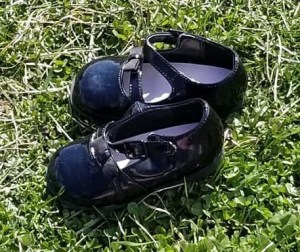
14,000 shoes laid out so that we will never forget our history.

Seven thousand pairs of children’s shoes were lined up on the southeast lawn of the U.S. Capitol building today in memory of every child who has died due to gun violence.

The 7,000 shoes in the “Monument for our Kids” installment represent every child that was killed by gunfire since the deadly shooting at Sandy Hook elementary school in Newtown, Connecticut, in 2012.

“We are bringing Congress face to face with the heartbreak of gun violence,” said one of the activists, Oscar Soria. “All of these shoes cover more than 10,000 square feet.”

Though most of the shoes were collected in a two week period, some of those were donated by families that lost their children to gun violence.

May God grant that we never forget this national grief. May our collective mourning bring lasting change.552D1FD3-63EF-4301-8FD9-FEE605FA755D

A Prayer for Protection

Hear us, O God, protector of children.
Hear our prayer of penitence, our confession that we have failed to keep our children safe.
Hear our cries, as we shed tears of mourning for each child we have lost to gun violence.
Hear our cries of grief as we recall every danger that our children face.
Hear our voices shouting, “Enough!”
Hear our voices of commitment that make a sacred promise that we will do what must be done.
And most of all, God, ennoble us to holy action, and make us protectors of children.
We pray in the name of the Prince of Peace. Amen.