
I love the words and the melody of the spiritual, “Wade in the Water.”
Wade in the water.
Wade in the water, children.
Wade in the water.
God’s gonna’ trouble the water.
There is just something about it that is moving to me. It digs down into my spirit and stops me in my tracks. I don’t know why I react so deeply to that simple bit of music. It could be that what draws me to it is its strong reference to healing as it recalls the miracle story recorded in the Gospel of John.
After a feast of the Jews, Jesus went to Jerusalem. Now there is in Jerusalem by the Sheep Gate a pool, which is called in Hebrew, Bethesda. It has five porches, and lying in these porches are many sick people who are blind, lame, paralyzed, each waiting for the moving of the water.
For an angel went down at a certain time into the pool and troubled the water; then whoever stepped in first, after the troubling of the water, was made well of whatever disease she had.
Now a certain man was there who suffered from an infirmity for thirty-eight years. When Jesus saw him lying there, and knew that he already had been in that condition a long time, He said to him, “Do you want to be made well?”
The sick man answered Him, “Sir, I have no one to put me into the pool when the water is troubled. Before I can get into the water, someone else gets in before me.”
Jesus said to him, “Rise, take up your bed and walk.” And immediately the man was made well, took up his bed, and walked.
— John 5:1-8 NKJV (paraphrased)
Or what inspires me about the song could be the stories that surround it. Some folk claim that “Wade in the Water” contained secret coded instructions to fugitive slaves on how to avoid capture as they followed the route to take them to freedom. The website Pathways to Freedom: Maryland & the Underground Railroad explains how Harriet Tubman used the song to tell escaping slaves to get off the trail and into the water to make sure that the dogs employed by the slavers lost their scent. “Wade in the Water” was one of their most inspiring freedom songs.
Those moving stories remind me of the many ways music touches my life with inspiration, courage, and hope, how it reaches the depths of my soul during the times when nothing else can reach me, how it lifts me up when I have fallen into despair, how it fills my heart with just the melody I need to give voice to my sorrow and then gives me a way to express my moments of greatest joy.
Most of us can recall times in our lives when we needed a dose of Divine healing. We can remember times of sorrow and despair and fear when only an encounter with God could move us toward peace, times when we needed to be made whole again, times when we hoped beyond hope that God would trouble the water. Read it again.
. . . An angel went down at a certain time into the pool and troubled the water; then whoever stepped in first, after the troubling of the water, was made well of whatever disease she had.
So in John’s Gospel story, a man who had been sick for thirty-eight years was healed. He was too ill to make it into the troubled waters of the pool no matter how many times he tried. But Jesus was there and asked him, “Do you want to be made well?”
The sick man answered that there was no one to put him into the pool when the water was troubled. “Before I can get into the water,” he said, “someone else gets in before me.”
But Jesus said those extraordinary words to him: “Rise, take up your bed and walk.”
Immediately it happened. The man was healed, and he picked up his bed and walked. Maybe the man rushed off to tell friends about the wonderful thing that had happened to him. Or maybe could only stand there in awe, not moving at all because the moment was just too overwhelming.
It was a miracle. Actually, the story tells of at least two miracles: that Jesus healed the suffering man and that an angel descended from above and troubled the water in that otherwise ordinary pool.
I don’t know about you, but when I encounter a pool of healing water, troubled and swirling, I want to get in. I want my faith to be big enough to expect a miracle from ordinary water, in an ordinary pool, on an ordinary day.
Please visit this link to hear a stunning arrangement of “Wade in the Water” featuring an excellent soloist and choir from the A Cappella Academy from Los Angeles.
https://m.youtube.com/watch?v=uiqQKZZo-Uc
 What is it like to sit open-handed before God? To abide with a compassionate God who knows the grief we are carrying? To sit in the glowing presence of a God who, not only knows the deep angst of our nation, but who can also transform it?
 So many people have been broken. I join them in their brokenness, for I, too, have been broken. Not just once, but again and again. So I know how it feels to look down in the dust at my feet and see the shards of a broken spirit. I know the emotional response I have when I sit on the ground examining the broken shards, and I know how I despair of the daunting
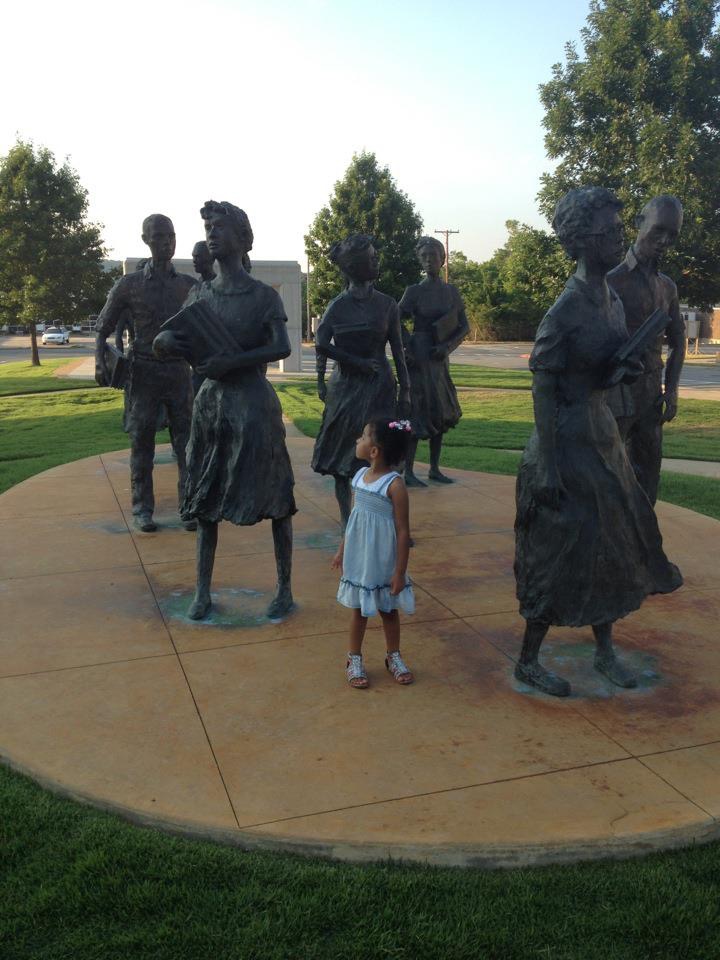 June 16, 2012 . . . My three-year-old granddaughter standing among the bronze sculptures of The Little Rock Nine.
 And my granddaughter stands in front of Little Rock Central High, a school she may choose to attend someday, a school she will be able to attend because The Little Rock Nine took a dangerous risk to make it possible.
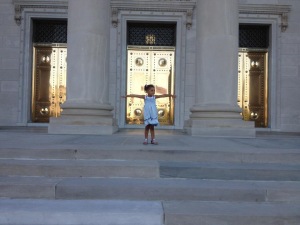 Finally, my granddaughter stands playfully on the steps of the Arkansas State Capitol. I know that it is possible that she may one day proudly walk through its golden doors as a state senator or representative. That is possible because nine Little Rock students were brave enough to be a part of changing history.
 Unanswered prayer leaves me disconsolate. At times,
 Two of my dear family members are carrying a heavy weight in their workplace. I watch them struggle week after week, carrying oppressive burdens. Both love their work and are dedicated to it. Both speak well of their co-workers. Both take on more responsibility than they should. Neither of them see an end to the high level of work they must accomplish. I can sense their need for comfort and healing, for rest and peace.

 My adult son is a master at denial. He can get very upset over a situation, but before you can blink, he has moved on as if it never happened. To be honest, I have often envied that part of his personality. As one who tends to brood over life’s challenges and problems, I would love to just be able to blow things off.
 Let us pray with our legs, let us march in unison to the rhythm of justice, because I say enough is enough.”
 How do you live when you know what’s coming? Jesus might have asked himself that question when the crowds were shouting “Hosanna!” and making a big deal of the fact that he was riding into town on a donkey. The Gospel of Mark tells the story well.
 For Christians around the world, the end of the Christmas holiday occurs on Epiphany, the 12th Day of Christmas. It commemorates how a star led the Magi, or the three kings or wise men, to the baby Jesus. Epiphany is about finding Jesus — again — in a fresh new way, looking into the light that has the power to change our lives.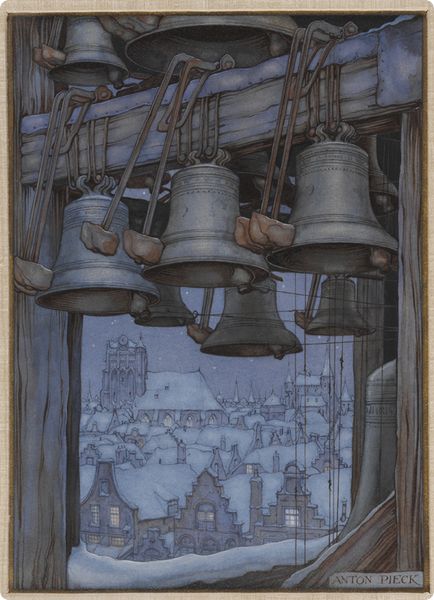
 In these tumultuous days, so many people are grieving. And for them, the skies above are dark, starless, devoid of any promise of hope.
 Like many of you, I have experienced dark nights of the soul. I have faced illness, betrayal, disillusionment and loss. I have faced the dark side of life more than a few times. In the midst of those times, I found the courage of faith, the gift of hope, and the promise of Scripture.
 For whatever reason, several people I know are currently going through an exacerbation of fibromyalgia. I am one of those people dealing with debilitating pain right now. Fortunately, the pain cycles usually pass over time. But when the pain is raging, it slaps us in the face with a significant challenge.
 Sometimes, the heart cries out in anguish, “Comfort me, God, in this my life’s darkest place.” There are times when all of us find ourselves in the midst of darkness. Almost despairing, we hope beyond hope for a new dawn. We speak our prayers, often with groanings too deep for words. We look deeper within, hoping that in the depths of our spirits, we will find an enduring faith. We turn to the comfort of Scripture.
 God of the Sparrow 🌱 By Kathy Manis Findley