For Suzanne who graced me with a delightful story about her Yiayiá
This story really has two titles: “Greek Girls and their Yiayiás” or “How to Love America by Two Greek Women who Emigrated to America.” Either title fits the nostalgic stories told by two granddaughters, me and my life-long friend Suzanne. I hope you find in our tales a touch of wisdom for your life, a reminder of the spirit of love, and a portrait of sacrifice and resilience.
It was a gift of grace to be a young Greek girl and have your Yiayiá (grandmother) close by, although at times being trapped in an endless, one-sided conversation could be annoying. In my teenage years there were “from her lips to God’s ears” conversations that were aimed directly at me — endless rules for good Greek girls, how to behave in church and wearing the proper church attire, old Greek sayings that sort of made sense to me, very long stories about the “old country” (which was a small Greek island), diatribes about how other families’ allowed their Greek daughters to be “loose,” and best of all, reciting to me stanza after stanza of stunningly poignant Greek poetry.
The problem was that I had to memorize those poems and dutifully stand before our house guests reciting them — for every visitor, even the ones who didn’t care at all about Greek poems. I think Yiayiá probably made me recite Greek poetry to some visitors who knew no Greek at all and had no idea what I was saying! The poems, though, remain a lovely part of my memories of her. To this very day — with a seventy year old memory — I can recite them word for word, especially my favorite one about the Greek revolutionaries who fought for nine years (1821-1830) against the Ottoman Empire for independence. Every time I recited it, my Yiayiá’s eyes filled with tears. Today, I cannot recite it without tears.
There was always a political side of my Yiayiá, although those around her ignored it. I cherish the fact that I saw parts her that others never saw, and one significant part of her was her keen interest in all things political. She always entered the voting booth with knowledge about candidates and issues that she had learned from devouring The Birmingham News every day. It’s safe to say that my Yiayiá was an “old country” style political junkie.
After she immigrated from Karpathos with a two year old (my mother) and a baby boy, she resolved to make America her home. Adjusting wasn’t easy for her, and many times at night, I would hear her weeping. Hearing her long, intricate stories of her homeland, it seemed obvious that she missed her home. Leaving one’s homeland can be a sacrifice. It was for my Yiayiá.
She was so young when she left her island and boarded a ship for a very long ocean voyage, only to end up in a land that must have seemed so different and unfamiliar to her. Ellis Island processing was grueling, especially for one who did not know a word of English. Just a glance at early portraits of Yiayiá would tell anyone of the grief and loss she experienced during her early days in America. Still, she moved forward in her new life because of her grit and her resilience, and maybe because she was among the early “dreamers” who made their home in the land of Lady Liberty bringing just a suitcase and a dream.
What uncommon resilience and perseverance Yiayiá had! She taught herself to read and speak English. Every morning without fail, she sat at the kitchen table near the radiator to read the newspaper while she drank her coffee. She knew the local and national news, the weather forecast and the latest scoop about every politician. She enjoyed election seasons and, with her own specialized vetting process, she chose the candidates she would vote for.
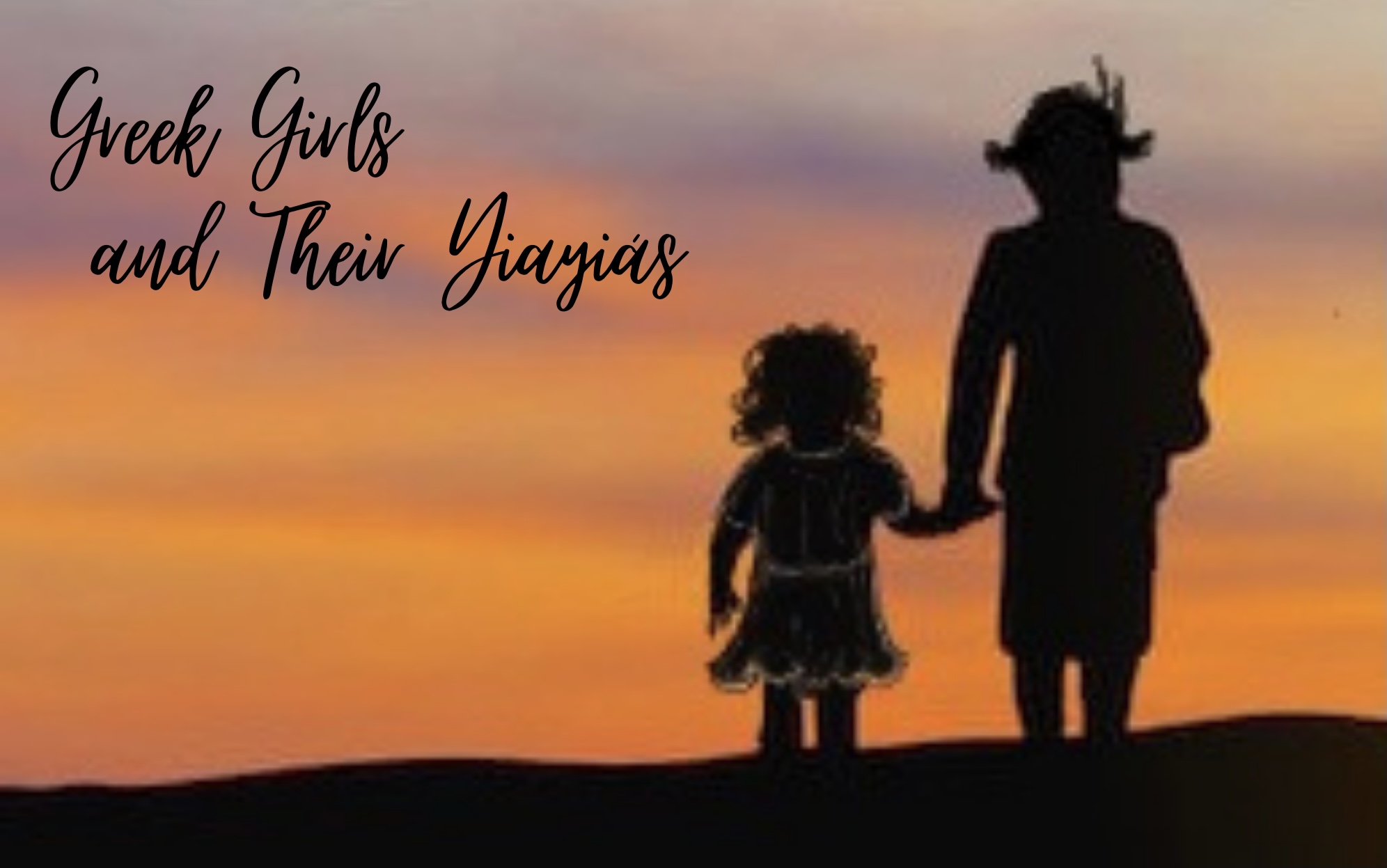
Voting day for her was a big deal. During election seasons, I always have Yiayiá memories that inspire me. So on election day, she would put on her finest dress, make-up, jewelry and always a hat — maybe even a hat with an exotic-looking black veil that I admired and coveted for myself. Then she would dress me in a frilly dress accessorized with my gold cross, white socks trimmed with lace and black patent leather shoes. With a quick brush of my black curls, we were off to the polls, walking down the hill from our house hand in hand.
She always took me into the polling booth with her. When she pulled the red privacy drape around us. I was just tall enough for the bottom of it to brush my face, but my head was inside that private place. When Yiayiá finished voting, she looked down at me and gave me a stern and irrevocable political mandate: “Kalliope, remember you are a Democrat! Never vote for a Republican!” I never have!
I could always see in my Yiayiá a deep love for her adopted country. She was a true and loyal American, to her bones. And she cared deeply about what this country stood for in the world. When I see the way immigrants are treated in these troubled days, I always think of my Yiayiá — what she would think about our America, what forcefully spoken diatribe she might offer to this day’s politicians, how she would grieve over the state of our nation. I had no doubt at all — my Yiayiá loved America!
I was talking this week with my dearest childhood friend, Suzanne. It was common for us to talk about our Yiayiás as we often do when we visit. I told my “excursion to the polls” story and Suzanne told a delightful story about the time when she and her Yiayiá took an extended trip to Greece. One caveat: the story is much more delightful in Greek. Anyway, they stayed in Greece long enough that they began to miss America. When they landed at the airport in Birmingham, Alabama, they walked down the airplane’s stairs onto the concrete. As soon as their feet hit the ground, Yiayiá said in Greek, “My America! I love you so much that I will kiss the ground (in Greek — “soil”).” Suzanne adamantly replied, “No, Yiayiá! You will not kiss the ground!”
I just must add this translation for my Greek friends:
Η Αμερική μου! Σε αγαπώ τόσο πολύ. Θα το φιλήσω το χώμα.

Όχι Γιαγιά, δεν θα φιλήσεις το χώμα.
Suzanne’s sweet Yiayiá dropped to her knees and kissed the ground!
There’s something about that enchanting story that has “love” written all over it. Suzanne’s Yiayiá loved America. My Yiayiá loved America. Probably more than their granddaughters ever did! To honor their memory, Suzanne and I vote, every time there’s an election. In fact, we both have already voted in this important 2020 election.
Suzanne’s beautiful Yiayiá said, “My America! I love you so much that I will kiss the soil!”
May it be so for us, even in these politically troublesome days.


 Among the most painful separations are estrangements from living parents. I have experienced estrangement from a parent, a situation in which I found it necessary to remove that parent from my life completely because of abuse. The hard choice of removing my parent from my life was mine to make, but was most surely a hard choice with long-lasting effects on my emotional health. Those who must make such a choice suddenly feel orphaned and alone in the world. Over many years, I have known many people who have lost mothers and fathers with whom they’ve shared loving relationships — not through death but through purposeful estrangement. I know that the deep void this loss creates for them is devastating. The pressing question is, “Why don’t we talk about what it is like to feel orphaned by parents who are very much alive and well, but whom we have lost due to estrangement?”
 When your soul is at risk . . .
 I pray today for each of you who have experienced, or are currently experiencing, the grief of separation and alienation from someone with whom you once shared love. I pray that you would enjoy relationships with persons faithful, true and kind. I pray for you a shared love that is pure — both given and received. I pray for you a persevering, faithful and gentle love that helps sustain and fulfill you. I pray, for you and for me, that we might have relationships with persons who help us become our best selves. I pray for genuine and life-giving friendships that grace us with full acceptance and understanding.
 Sometimes our stories are stories of sheer joy, but sometimes our stories are about loss, pain, heartbreak, fear or the devastating effect a particular traumatic event had on us. That’s when we hold our stories inside, fearing that telling would bring the pain back with a vengeance.

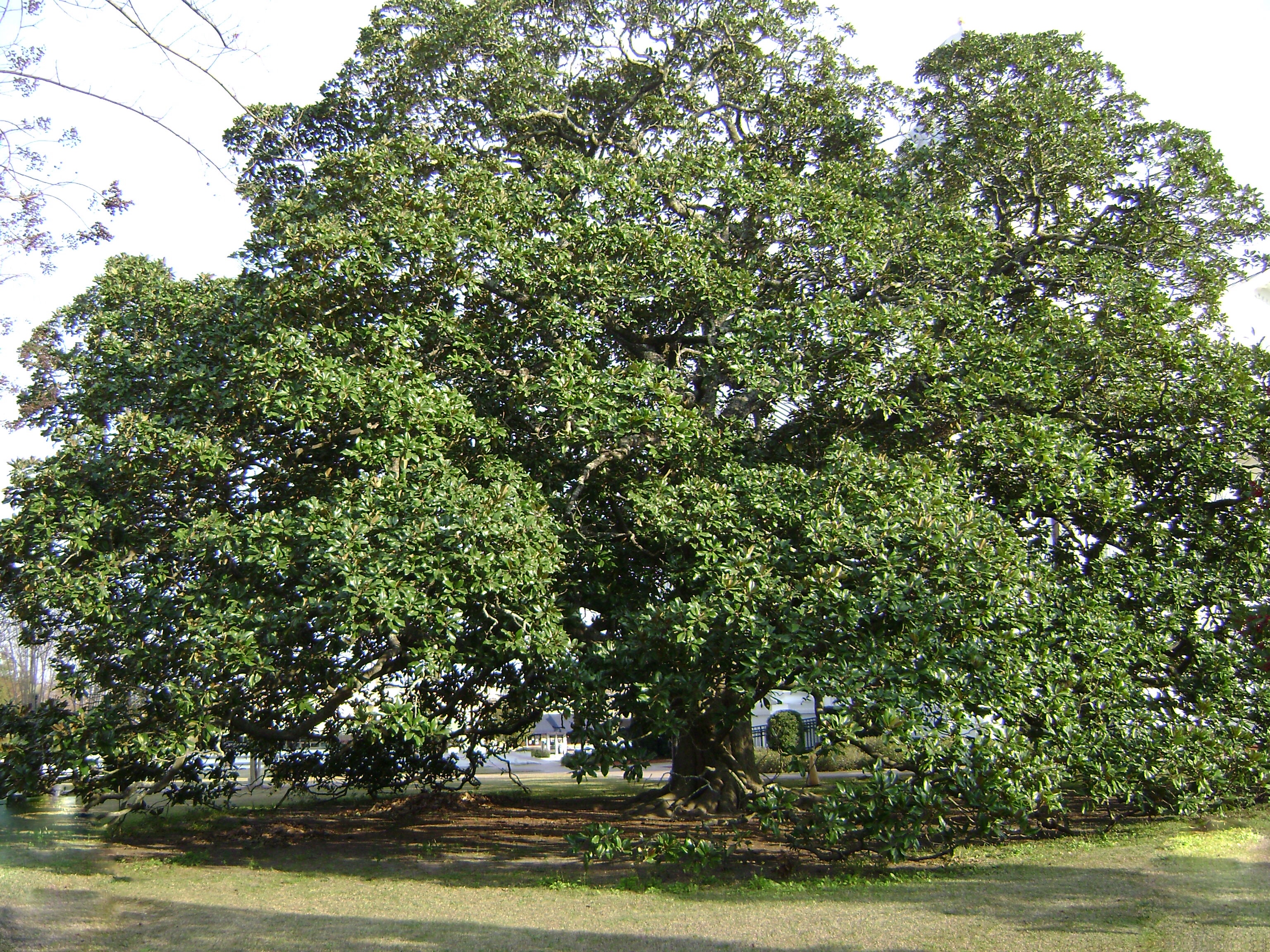 If you know me well, you will know that I have a love affair with trees. I always have, ever since I was a little girl playing among the protruding, gnarly roots of the enormous, beautiful magnolia tree in our yard. I would stay there for hours sometimes, finding under the tree’s canopy my own personal and private hiding place. Though it was ill advised, the tree endured carvings in its trunk without complaining even once. That tree had multiple carved hearts, each with an arrow and the names of boyfriends that came and went.
 Now that you’ve had a lesson on state trees that you did not ask for, I will tell you what’s up with me and trees. The lifelong connection happened when I was just a little girl. I lived with an abusive father who made my home a very unsafe place. Other forms of violence were prevalent as well: shouting and abusive language, threats of physical harm and a violent uncle that came with a gun and broke into our house by smashing the glass in our front door.
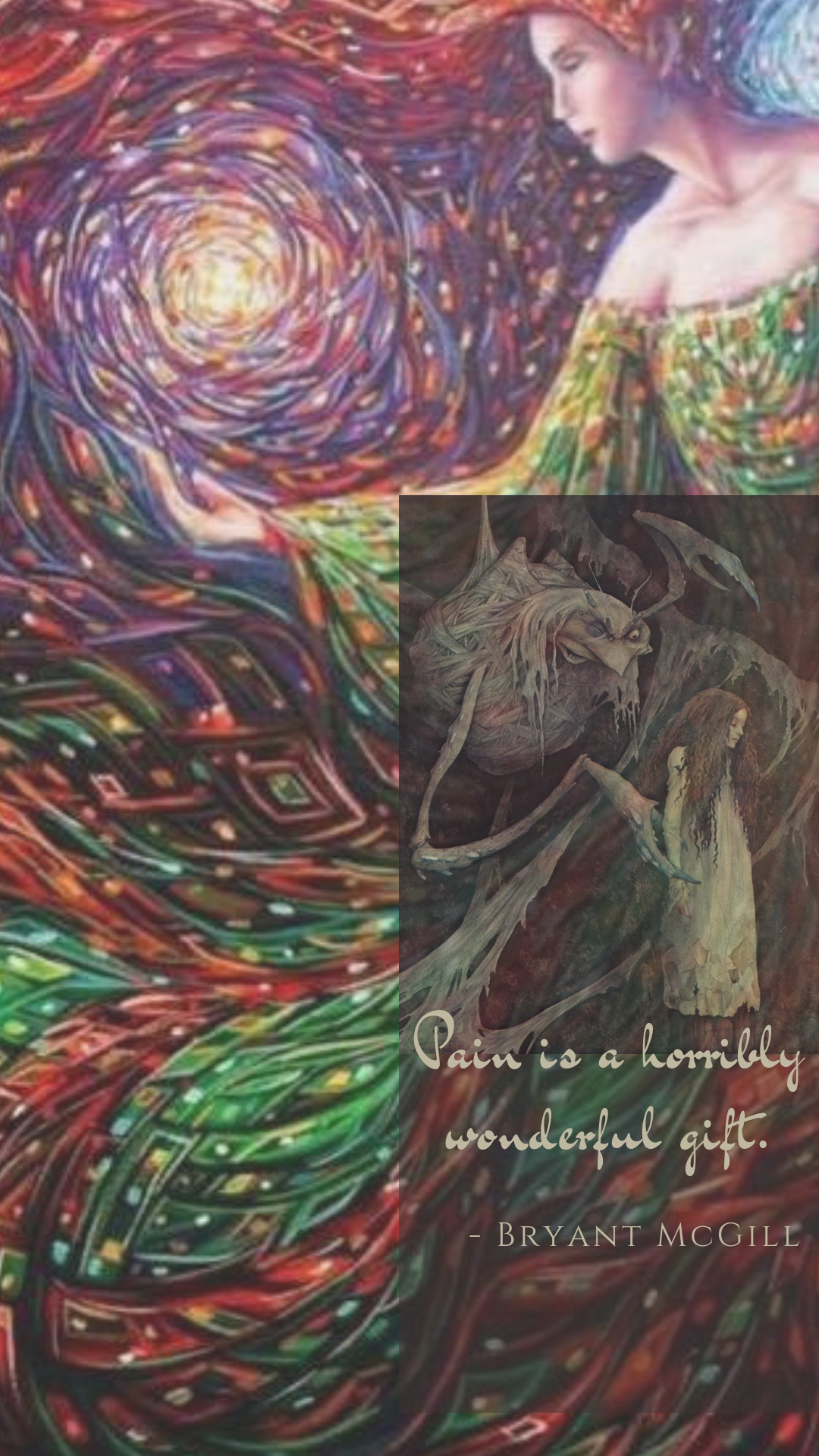
 When I think of that year, my description of it is “horribly wonderful.” Wonderful because, in the worst of times, God breaks in through the grace of a devoted husband, a caring family, an attentive nurse, a gentle phlebotomist, a close friend, a skilled physical therapist, a loving church family.
 Yesterday, I mused on the tenderness of this season of Advent. The waiting. The darkness. The need to linger in the season with a sense of mindfulness.
 You have no doubt heard about the mid life crisis. Perhaps you have even had one. I did at mid life. However, what’s more critical to me at this stage of my life is more appropriately called a late life crisis. And, lo and behold, I’m having one of those right now!
 On Resurrection Sunday, I cry joy-tears — every time, without fail. For me, holding on to my emotions on Resurrection Sunday is impossible. After going through Lent, after hearing again of the betrayal Jesus experienced, after witnessing the suffering and execution of Christ, after acknowledging anew that Christ’s sacrifice was for the whole world and for me, I celebrate Christ’s resurrection. And when I do, I just cry.
 14,000 shoes placed to tell a very, very sad story.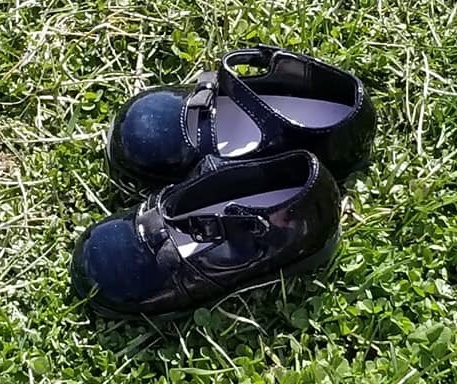
 For weeks now, women have been making heart-rending declarations — “Me too,” they cry, as they reveal their experiences of past sexual abuse. As for me, I say, “me too.” Add my name to the mournful list of women who have endured the pain of sexual trauma.


 God of the Sparrow 🌱 By Kathy Manis Findley