 Because I have no sense of direction at all, I have an irrational fear of getting lost. Do not tell me to go north or south. I will have no idea how to do that. You must instead say something like, “When you see McDonalds on the right, go past it. Then go past Wendys, Burger King and Barbaritos. Look just past Barbaritos, but on the other side of the road, and you’re there.” It’s a convoluted way of making sure I don’t lose my way. And if one of those fast food places were to close down, I’m lost.
So as I am contemplating the fear of being lost, I find in my email this morning a meditation by Richard Rohr entitled, “Practice: Being Lost.” I wanted to slip right past that meditation, as I do not need or want to practice being lost. But something held me there, captive to this bizarre meditation that described being lost as a spiritual practice.
Psychologist and wilderness guide Bill Plotkin* highly recommends wandering in nature and experiencing the great gift of “finding ourselves lost.” He calls it “Soulcraft: Crossing into the Mysteries of Nature and Psyche,” and he means that we should find ourselves lost both literally in nature and metaphorically in the midst of life’s changes.
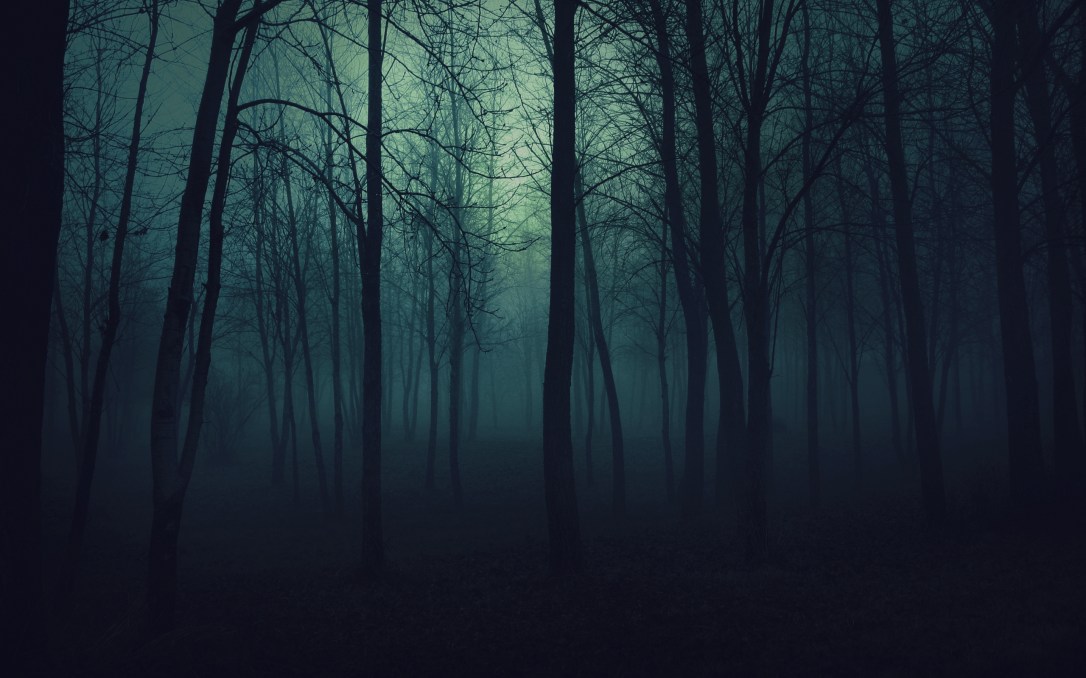
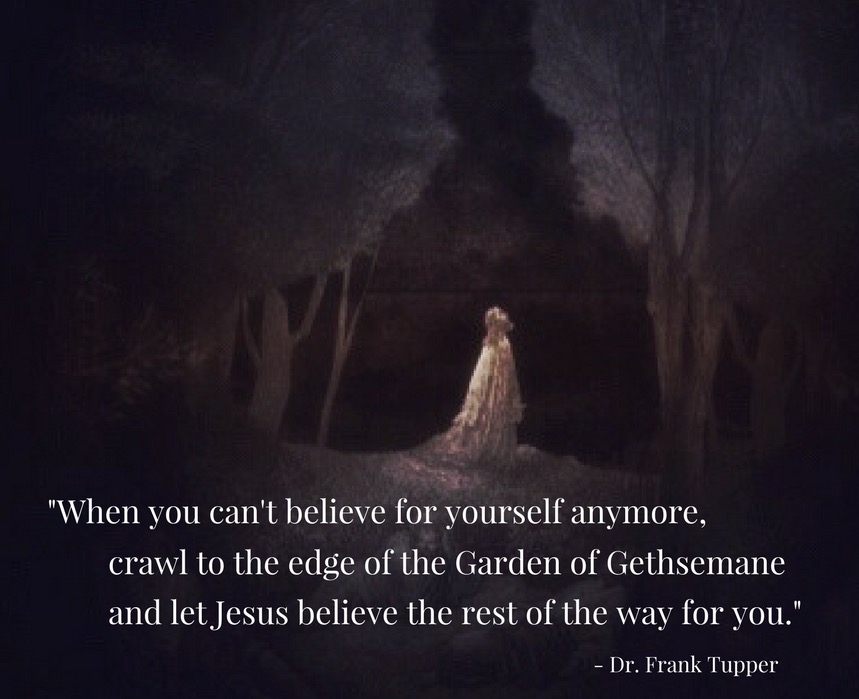
His words remind me that at least four conditions contribute to finding oneself lost: density that conceals paths, obstacles in the pathways that force you to detour, cluelessness about direction, and darkness. I would not like finding myself in a dense forest with boulders blocking some of the pathways, hopelessly lacking any sense of direction after a few detours, and knowing that the sun is setting and darkness will make everything even worse.
And yet . . . finding myself lost as a spiritual discipline seems to be beckoning to me to enter. As a lost wanderer, I might just learn to look deeply into the face of my aloneness and discover what truly gives me life and what doesn’t. I could discover inspiration, belonging, strength, resilience and wisdom in my own company — all by myself — not knowing which way to turn. Knowing only that God will meet me there and that I can “be” who I am, right where I am, lost in a discovering moment.
As David Whyte writes:
When wandering, there is immense value in “finding ourselves lost” because we can find something when we are lost, we can find our selves . . .
Sometimes it takes darkness and the sweet confinement of your aloneness to learn that anything or anyone that does not bring you alive is too small for you.*
I would like to be brave enough to give it a try in some spring wood where the verdant trees form a deep, dark canopy of privacy over my soul and where aloneness takes over my psyche. A place where God will meet me, where I can fully embrace finding myself lost, and where I might just find a few sparkles of light along the way.
I have to admit that this is a terrifying prospect for me. Darkness in a dense forest, alone, lost and scared . . . I’m just not sure about that. So maybe I should settle for the swing in my yard that’s just on the edge of the woods. Safer. More acceptable. And God will meet me there, too.
*Bill Plotkin, Soulcraft: Crossing into the Mysteries of Nature and Psyche (New World Library: 2003), 234, 248-249, 263.
*David Whyte, “Fire in the Earth,” Fire in the Earth, Many Rivers Press: 1992, 8.
 Sometimes life hurts.
 My adult son is a master at denial. He can get very upset over a situation, but before you can blink, he has moved on as if it never happened. To be honest, I have often envied that part of his personality. As one who tends to brood over life’s challenges and problems, I would love to just be able to blow things off.

 In these tumultuous days, so many people are grieving. And for them, the skies above are dark, starless, devoid of any promise of hope.
 Sometimes, the heart cries out in anguish, “Comfort me, God, in this my life’s darkest place.” There are times when all of us find ourselves in the midst of darkness. Almost despairing, we hope beyond hope for a new dawn. We speak our prayers, often with groanings too deep for words. We look deeper within, hoping that in the depths of our spirits, we will find an enduring faith. We turn to the comfort of Scripture.
 A twelve year-old girl, Sadako Sasaki, died of radiation induced leukemia ten years after the atomic bomb had fallen near her home in Hiroshima. Her story has inspired millions around the world, and her memory transformed a simple paper crane into an international symbol of peace and hope.




 God of the Sparrow 🌱 By Kathy Manis Findley