
Photo: Jawad Jalail
Part One
A Story of Grace and Mercy
The following story printed in the Daily Beast tells how the villagers of a small Afghan village rescued and saved the life of a gravely wounded U.S. Navy Seal. Their motivation? What motivated them was their culture of kindness and their respect of the ‘Pashtunwali Code’, which admonishes that hospitality, asylum, mercy and shelter must be provided for all who require it, friend or enemy.
Nearly eight-and-a-half years after Mohammad Gulab and his fellow villagers harbored and saved the life of a gravely wounded U.S. Navy SEAL, they say they are still proud of their courageous action and would do it again in spite of the disappointments and troubles that have followed.
In the face of point-blank Taliban threats to overrun the small village of Sabray in remote Kunar Province, along the porous and mountainous frontier with Pakistan, the villagers bravely protected, gave first aid to, fed, and clothed Marcus Luttrell, the wounded Special Warfare Operator, the only survivor of a four-man SEAL patrol. A village elder even secretly carried a note hidden inside his clothing—written by Luttrell and indicating the exact spot where he could be rescued—through Taliban lines at great personal danger. “I have no regrets for what my family, my fellow villagers and I have done,” Gulab tells the Daily Beast. “We knew what the Taliban’s reaction would be from the day we carried him in our door.”
Gulab and the other villagers insist that they saved Luttrell out of obedience to the ages-old ethnic-Pashtun tradition known as Pashtunwali. That ancient code obliges Pashtuns to help and protect anyone in need, friend or enemy. “We did not rescue Marcus for money or privileges,” Gulab says. “By rescuing and keeping him safe for five nights in our home we were only doing our cultural obligation.”
And Jesus told us,
“You shall love your neighbor as you love yourself.”
Part Two
Advocating for the Women of Afghanistan

The Taliban have been in charge of Kabul for 48 hours. Women have already disappeared from the streets.
Photo: AP News
https://apnews.com/article/religion-taliban-7ab054c063e4ea1c14be9e4811f42982
As an advocate for women for many decades, I must share today the terrible plight of Afghan women as a result of the Taliban takeover of Afghanistan.
In only 10 days, Taliban militants captured dozens of provincial capitals left vulnerable by the withdrawal of US and allied troops.
In only 10 days, the freedom of Afghan women was taken back 20 years.
In only 10 days . . .
The speed of the militants’ advance caught the people of Afghanistan off guard, especially Afghan women. Some women said they had no time to buy a burqa to comply with Taliban rules that women should be covered up and accompanied by a male relative when they leave the house.
To Afghanistan’s women, the flowing cloth represents the sudden and devastating loss of rights gained over 20 years — the right to work, study, move and even live in peace — that they fear will never be regained.

Burqas hang in a market in Kabul on July 31. The price has surged tenfold as women rush to cover themselves to avoid attracting the militants’ attention.
Over the last 10 days, a succession of Taliban victories over dozens of provincial capitals took Afghan women closer to a past they desperately wanted to leave behind.
When the Taliban last ruled Afghanistan between 1996 and 2001, they closed girls’ schools and banned women from working. After the US invaded in 2001, restrictions on women eased, and even as the war raged, a local commitment to improving women’s rights, supported by international groups and donors, led to the creation of new legal protections. But gains for women were partial and fragile. In 2009, the Elimination of Violence Against Women law criminalized rape, battery and forced marriage and made it illegal to stop women or girls from working or studying.

Afghan women stand to lose 20 years of gains as the Taliban seize control.
According to an article by Mitchell Hartman published today, the situation is fluid and chaotic in Afghanistan, as the Taliban continue consolidating power over the country and the capital, Kabul. Afghans with connections to the U.S. Embassy or military over the past 20 years are still hoping to get out of the country. But many who stand to lose rights and jobs and possibly their freedom under a new Taliban regime are hunkering down, hiding, covering their tracks.
Especially women, and when it comes to women’s freedom to participate in society and the economy, people who’ve been observing the Taliban aren’t optimistic. “The Taliban are no friends of girls and women. And for many years they really had control over the country, girls education and women’s education was forbidden,” said Rebecca Winthrop, who co-directs the Center for Universal Education at the Brookings Institution. Winthrop helped get Afghan girls into new government schools after the Taliban fell in 2001.
She said the U.S. has invested more than $700 million in girls’ and women’s education, and attendance has increased. So has Afghan women’s participation in the labor force — up from 15% to nearly 22%.
But where the Taliban have taken control in recent years, Winthrop said, “we were seeing girls not being able to go past seventh grade – which is when they hit puberty; bombing girls schools; targeting female teachers.” In the big cities, many women have gone to university and entered business, government, academia and the media. But now “they’re literally finding safe houses where they can hide,” said Elisa Lees Munoz, who directs the International Women’s Media Foundation.
You and I may feel helpless, unable to find ways to ease the fear and desperation of women a world away. We cannot know their world, and we definitely cannot fix it. We are at a loss when we consider options that could help. And yet, the words of Jesus remain, imprinted upon our hearts . . . “You shall love your neighbor as you love yourself.” And we know that one important thing we can do is to pray for the well-being of every Afghan woman and girl. At least we can pray, and pray with a fervency that holds the power to change hearts and minds. We can pray even without words because the Spirit intercedes for us.
So as we pray, I want to share with you this moving prayer for Afghanistan written by my friend who always prays prayers from her beautiful and compassionate heart. It was published today on her blog, “Gifts in Open Hands.”
God of many names, the Generous,
the All-Merciful, the Source of Peace,
we pray in thanks for Afghanistan
land of pomegranates and grapes,
birthplace of Rumi,
and ‘I am the beggar of the world,’
landays of contemporary Afghan women.
We celebrate people –
Tajik and Hazaras, Uzbek and Pashtun.
We hear tabla, sitar, santur, tabur, flute,
and watch the attan danced.
We gaze upon art ancient and new –
miniatures and the weaves of rugs,
like no other in the world.
All earth opens its hands
and receives the gifts of Afghans,
and all the people pray,
each in their own many names and words
for safety of Afghans in these days –
seeking evacuation in the airport
moving quickly on the street,
hiding in homes,
wondering about schools.
For those who evacuate
and for those who wait for what is next,
for those who are foreign nationals,
and those bone-deep with history in the hills,
for faithful journalists still reporting,
and medical facilities desperate
for blocked supplies,
for Sikh and Hindu communities
and their holy places,
for the welcome of Australia,
and families across the ocean and near at hand
grieving loved ones lost,
life, body, mind in the long war.
for the afghan elder who has seen much
and the child born today
who will grow up to give a new gift,
we pray, O Compassionate, O Preserver. amen
— Maren C. Tirabassi
*Please take time to follow this link to a poignant, timely and very real story about the fears of Afghan women published by “Vanity Fair.”


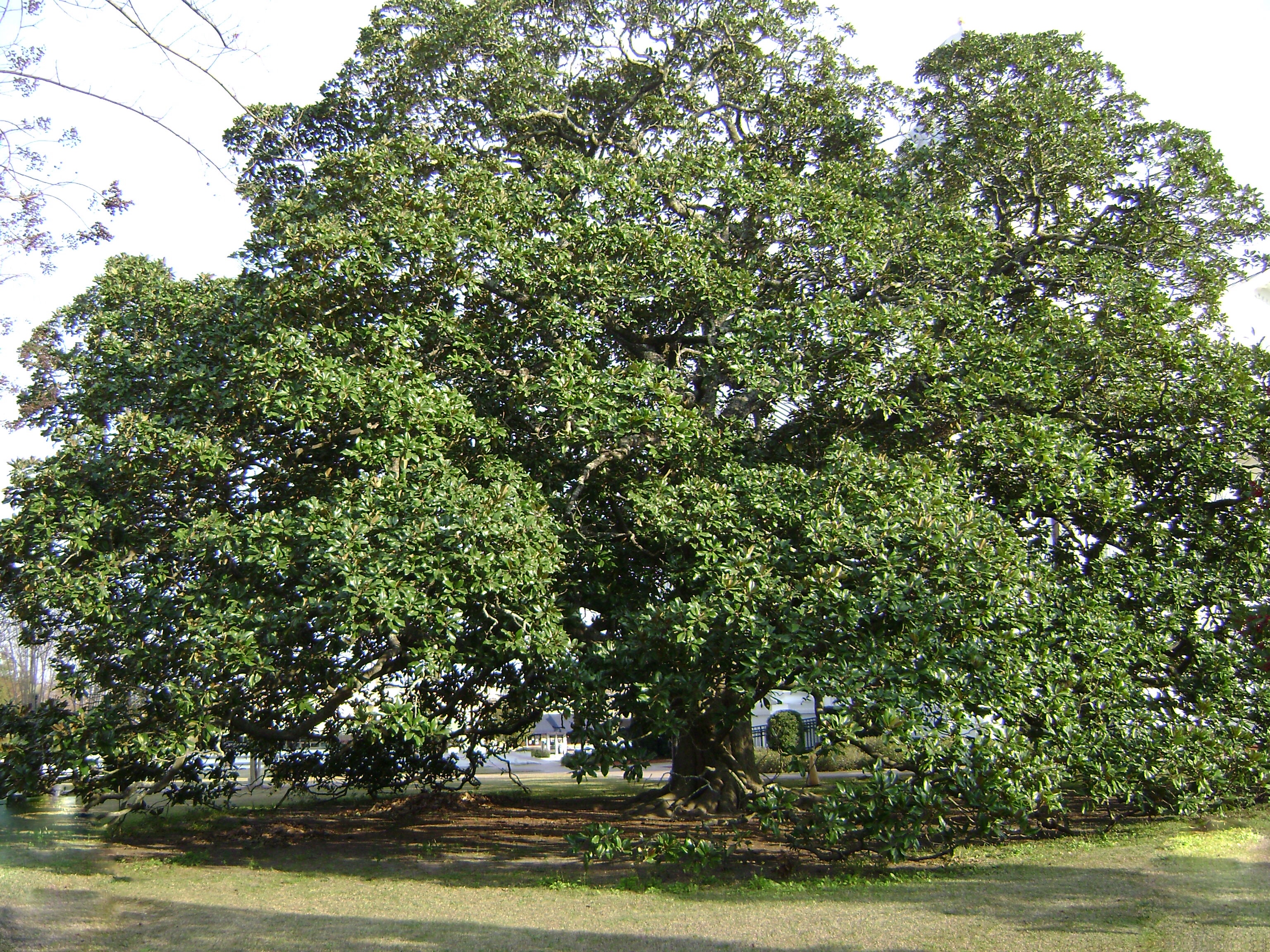 If you know me well, you will know that I have a love affair with trees. I always have, ever since I was a little girl playing among the protruding, gnarly roots of the enormous, beautiful magnolia tree in our yard. I would stay there for hours sometimes, finding under the tree’s canopy my own personal and private hiding place. Though it was ill advised, the tree endured carvings in its trunk without complaining even once. That tree had multiple carved hearts, each with an arrow and the names of boyfriends that came and went.
 Now that you’ve had a lesson on state trees that you did not ask for, I will tell you what’s up with me and trees. The lifelong connection happened when I was just a little girl. I lived with an abusive father who made my home a very unsafe place. Other forms of violence were prevalent as well: shouting and abusive language, threats of physical harm and a violent uncle that came with a gun and broke into our house by smashing the glass in our front door.




 “Dozens of institutions across the country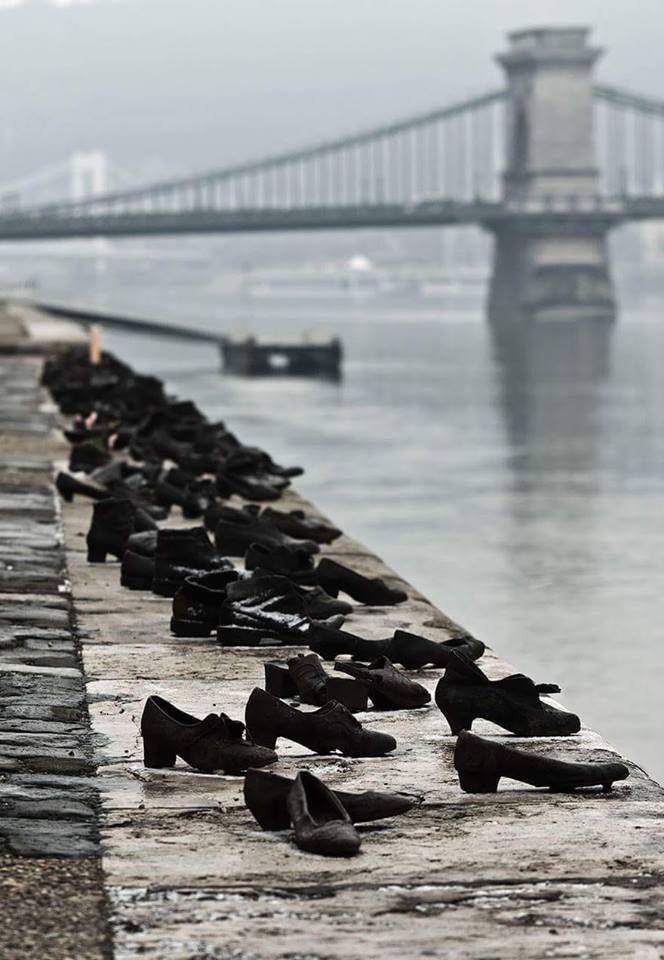
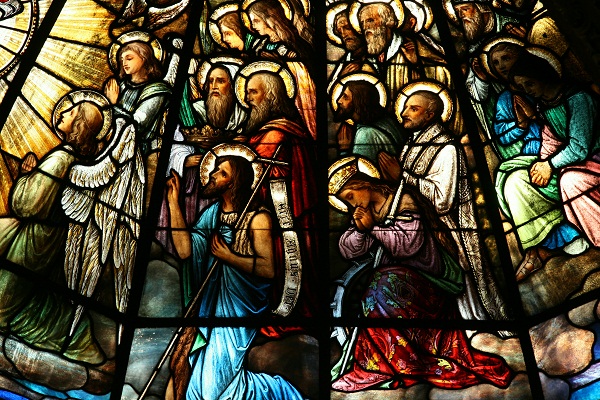 We all need a glimpse of hope and comfort in these troubling days. Our thoughts and prayers are with our brothers and sisters of the Tree of Life Synagogue, and we are shocked at this and other recent acts of violence and evil. So today, I share with you the writing of Jemma Allen* in hopes that you will find her words as compelling and comforting as I have.
 My friend, Buddy Shurden, shared an experience he had while serving his first pastorate near Ethel. Mississippi. He tells of his frequent habit of calling on Early Steed to pray. He wrote that Mr. Early Steed always began his prayer the same way, every time.
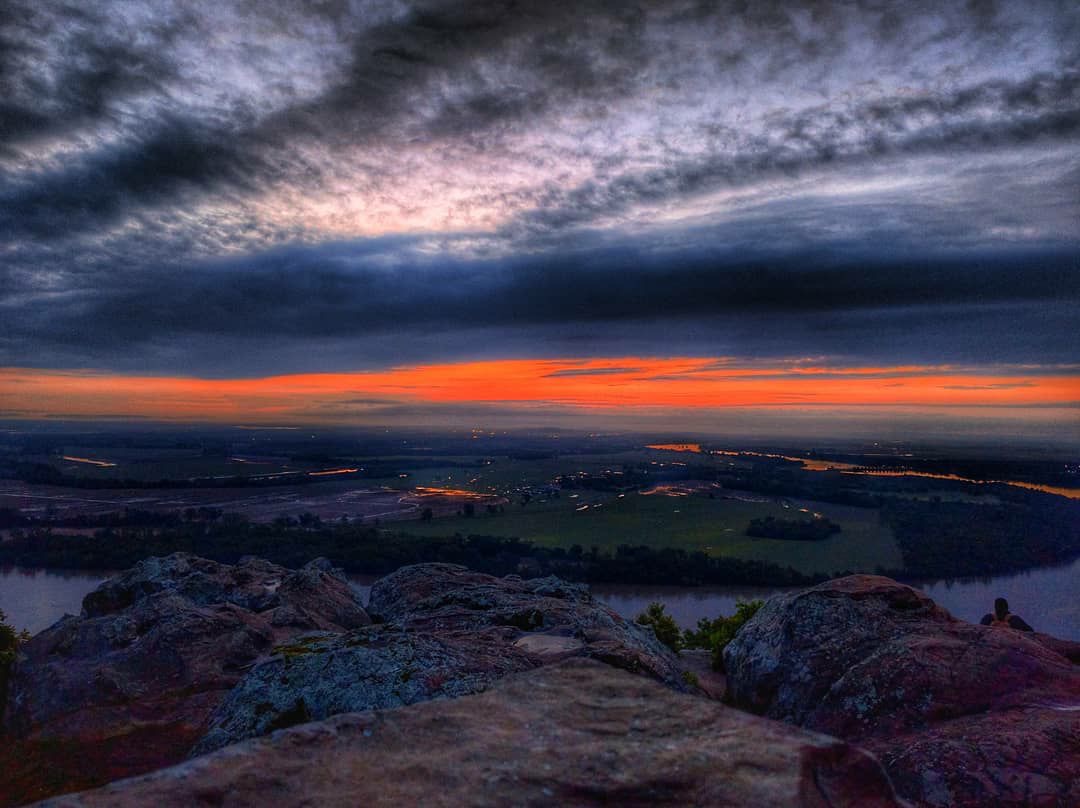 I could decide to stand on this side wondering what life might hold on the other side. I can see the brilliant sunrise, perhaps a symbol for a bright new life for my children. I can see the tiny lights of dwellings or businesses. I’m not sure what they are but perhaps each tiny light is a warm welcome, a place of refuge, a safe haven.
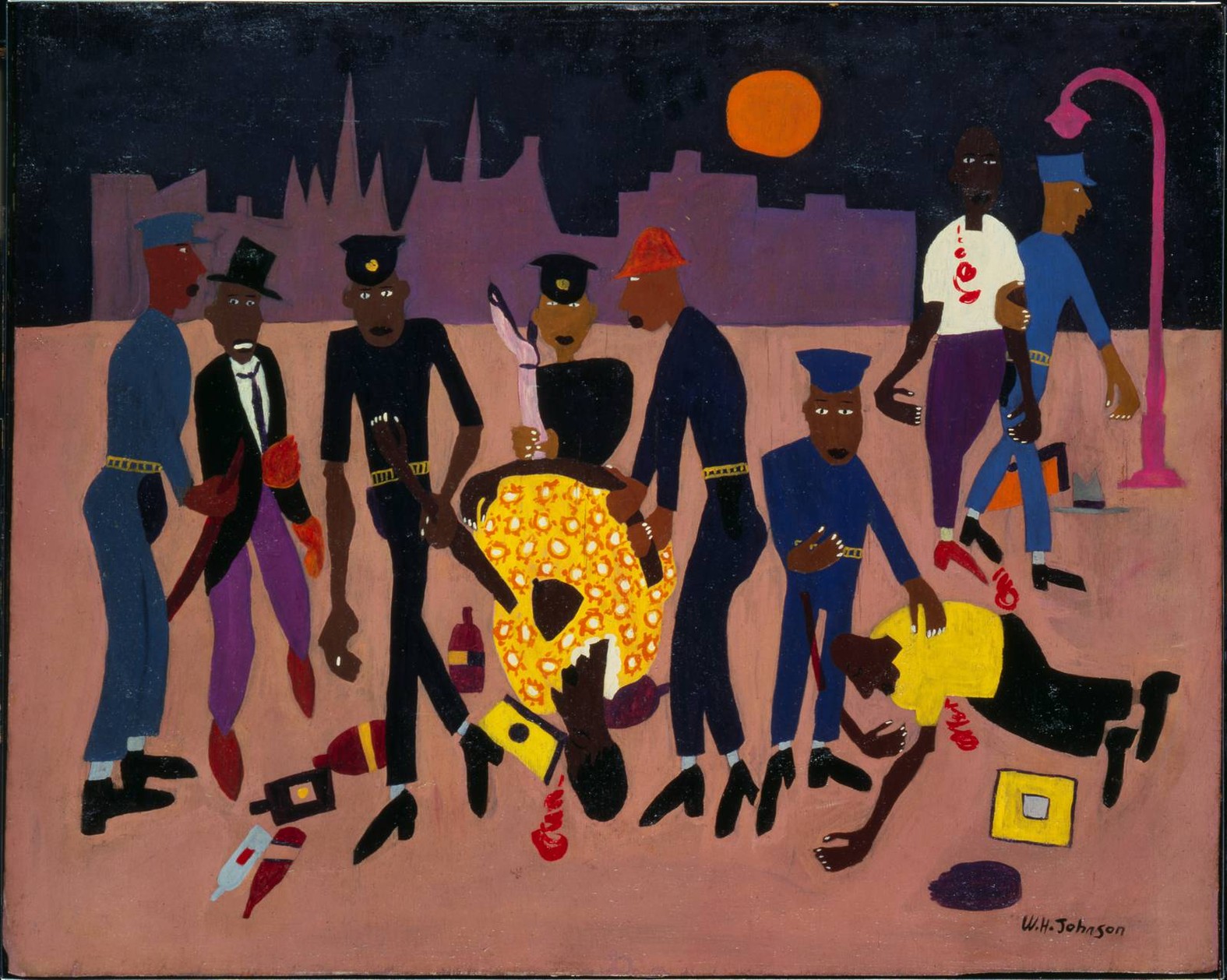
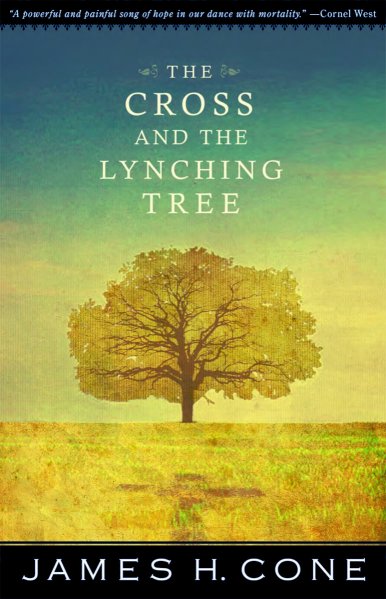
 Because of the recent opening of The National Memorial for Peace and Justice in Montgomery, Alabama, I have been contemplating the terror of lynching in our history. The Montgomery site is the nation’s first memorial dedicated to the legacy of enslaved black people, people terrorized by lynching, African Americans humiliated by racial segregation and Jim Crow, and people of color burdened with police violence.
 While in seminary, I immersed myself in the study of liberation theologies. Not surprisingly, my research led me to the writings of black liberation theologian, The Rev. Dr. James H. Cone. I became what some might call a follower of Dr. Cone. I saw him as a Christ-like superhero. Much of my research and writing in those days delved into the history of liberation theology, so Dr. Cone’s books covered my desk for months.
 Google it.


 Let us pray with our legs, let us march in unison to the rhythm of justice, because I say enough is enough.”
 14,000 shoes placed to tell a very, very sad story.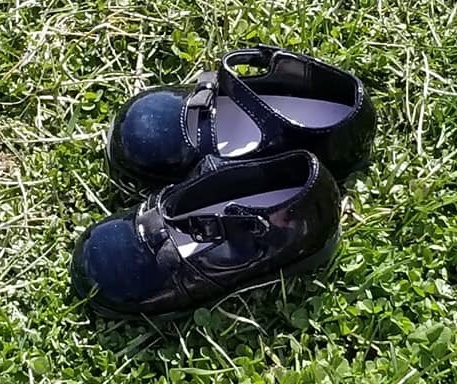

 God of the Sparrow 🌱 By Kathy Manis Findley