Advent, Angels, Bethlehem’s Star, Christ Child, Christmas, Relationship, Repair the world

Ah Yes! Christmas Will Come!

D9EE4E52-B049-4C4E-A78A-FACC59E5D781


The Nineteenth Day of Advent

December 19, 2019

For those with ears to hear the holy and eyes to see the sacred moment of the coming of the Christ Child, Christmas comes again and again each Advent season. Yet, Christmas also comes for us in the eyes of a child, in the words of a friend, in the music of hymns and carols tucked into our hearts, in the kind spirit of a stranger. If we take time to see! If we take a moment to hear! If we spend a few moments engaging with another person! Then we experience the holy moments of Christmas. Ann Weems writes of the ways Christmas comes.

CHRISTMAS COMES

Christmas comes every time we see God in other persons.
The human and the holy meet in Bethlehem
or in Times Square,
for Christmas comes like a golden storm on its way
to Jerusalem —
determinedly, inevitably . . .

Even now it comes
in the face of hatred and warring —
no atrocity too terrible to stop it,
no Herod strong enough,
no hurt deep enough,
no curse shocking enough,
no disaster shattering enough.

For someone on earth will see the star,
someone will hear the angel voices,
someone will run to Bethlehem,
someone will know peace and goodwill:
the Christ will be born!

— Ann Weems

There is little doubt that our world is filled with “hatred and warring.” There are hurts, atrocities and disasters. We see it on our televisions, every nightly news program describing it in full detail. We are now seeing the rancor of our Congress, one party hopelessly divided from the other, in the impeachment of a president. We mourn the losses of war, natural disasters, wildfires, gun violence and all the harms caused between people.

Yet, someone on earth will indeed see the star. Some of us might just hear angel voices because we live on holy ground. Some of us might repair the world. We might just find that we are anointed by God’s Spirit to bring good news to the poor; to heal the brokenhearted, to proclaim release to the captives and recovery of sight to the blind, to let the oppressed go free! (Paraphrased from Luke 4:18 NRSV) Advent may inspire us to live into our anointing and to embrace the high calling of repairing our world in whatever ways we can. Advent might call us to heal, to free, to proclaim release, to offer good news to the poor and to cause the blind to see.

7EF76C61-3A9F-4808-ABDD-D10C92202890But Advent will also lead us by the light of Bethlehem’s star, guiding us again to Bethlehem. Advent opens our hearts to know peace and goodwill afresh and anew. Christ will be born in us again. Christmas will come — into our lives, into our hearts, lifting our spirits. Ah yes, Christmas will come!

And throughout this Advent, we will again be reminded of what we proclaim from our hearts of faith:

Emmanuel, God with us!

Amen.

Advent, Bethlehem’s Star, Christ Child, Christ’s Birth, Faith, Holy Ground, journey, Kneeling Places, Sacred Space, Worship

“There Is Room and Welcome There for Me.”

D9EE4E52-B049-4C4E-A78A-FACC59E5D781
The Eighteenth Day of Advent

December 18, 2019

On the third Sunday in Advent, I was confined to home, unable to make my way to the manger. In every Advent season, I am strengthened in finding my place around the manger of the Christ Child. I find myself there because being near the manger moves me to contemplate the significance of Emmanuel, God-with-us. Being near the manger in spirit is holy ground, sacred space that stirs me to deeper faith. The hymn text writer Jaroslav Vajda also placed himself at the manger, searching for its significance in his life. In drawing close in spirit to the manger, he penned the text of the stirring hymn, Where Shepherds Lately Knelt.

Jaroslav Vajda penned the hymn text in 1986, seeking to place himself in spirit at the humble manger bed and there, review the implications of such a visit for himself and for all human beings. He believed that visiting the manger in order to ponder the significance of Immanuel,”God-with-us” in the flesh.

Being homebound after a kidney transplant, I missed my church’s service of Lessons and Carols. That service is always a time of deep and sacred worship for me, and I very much regretted missing it this year. In missing the service, I also missed the choir’s singing of Where Shepherds Lately Knelt, a hymn that has in the past moved me to tears. I invite you to contemplate the following text and to listen to the Anderson University Men’s Choir singing the hymn.

Where Shepherds Lately Knelt

Where shepherds lately knelt and kept the angel’s word,
I come in half-belief, a pilgrim strangely stirred:
but there is room and welcome there for me,
but there is room and welcome there for me.

In that unlikely place I find Him as they said:
sweet newborn Babe, how frail! and in a manger bed:
a still small Voice to cry one day for me,
a still small Voice to cry one day for me.

How should I not have known Isaiah would be there,
his prophecies fulfilled?  With pounding heart, I stare:
a Child, a Son, the Prince of Peace — for me,
a Child, a Son, the Prince of Peace — for me.

Can I, will I forget how Love was born and burned
its way into my heart — unasked, unforced, unearned,
to die, to live, and not alone for me,
to die, to live, and not alone for me?

This beautiful hymn places me at the manger, near the Christ Child. And in that place —in the presence of God — I begin to understand who I am and what I feel about my faith. 6EB80210-20A6-47B8-BD83-1B6AA6BBAE12I contemplate the shepherds who drew near to the Child following the light of a strange star. I imagine that whatever faith they had, no matter how small, brought them to their knees. Pilgrims who lived on the land, they found their way to the manger and, in adoration, knelt before this Child, in this manger, on this night.

I am but a pilgrim in half-belief on a journey led by a fragile faith. Yet, something within me compels me to keep returning to the manger, again and again. And I find myself in true worship, strangely stirred, in adoration of the Christ Child under the brilliance of Bethlehem’s star. The cry of my spirit as I look at Christ, the Savior, while standing before the manger is so perfectly described by this hymn:

I come in half-belief, a pilgrim strangely stirred;
But there is room and welcome there for me…

Can I, will I forget how Love was born,
and burned its way into my heart unasked, unforced, unearned,
to die, to live, and not alone for me…”

Near the manger this advent, I discover that, indeed, “there is room and welcome there for me.”

For the Advent stirring of my fragile faith . . .
For newborn Love, born beneath Bethlehem’s star, thanks be to God. Amen.

Advent, Angels, Bethlehem’s Star, Christ’s Birth, Joseph, journey, Mary, Politics, Stars

My Place at the Stable

07CC6147-ABFA-4F19-B826-A0BC9D4B9BFF
In this detail from de la Tour’s moving portrayal of the birth of Jesus, we see Joseph’s hand tenderly guiding the candle’s light to illuminate the Christ-child’s face. 
In the Isaiah passage for this day, the prophet foretells the coming of Christ with the language, “Everlasting Father, Prince of Peace.” In this peaceful painting, Joseph’s first gesture tells of his own fatherly love.
Georges de la Tour, painting in France in the early 17th century, was deeply affected by a religious revival based upon the teachings of the 12th century mystic, Francis of Assisi.  

— Art in the Christian Tradition, Vanderbilt

The Seventeenth Day of Advent
December 17, 2019

I have been thinking throughout this Advent season about my place at the stable. On the idea that many people gathered around the stable took various positions — some in the front or at the back, some directly facing the manger, some viewing the Child from a point farther away, angels hovering above — I wonder where my place might have been or, more importantly, where do I stand around the stable today?

Joseph, it seems, is often seen standing at the back of the stable, non- obtrusive, taking a back seat to Mary and the Christ Child. Ann Weems writes about Joseph standing at the back of the stable:

GETTING TO THE FRONT OF THE STABLE

Who put Joseph in the back of the stable?
Who dressed him in brown, put a staff in his hand,
and told him to stand in the back of the crèche,
background for the magnificent light of the Madonna?

God-chosen, this man, Joseph, was faithful
in spite of the gossip in Nazareth,
in spite of the danger from Herod.

This man, Joseph, listened to angels
and it was he who named the Child
Emmanuel.

Is this a man to be stuck for centuries
in the back of a stable?

Actually, Joseph probably stood in the doorway
guarding the mother and child
or greeting shepherds and kings. . .

Actually, he probably picked the Child up in his arms
and walked him in the night,
patting him lovingly
until he closed his eyes.

This Christmas, let us give thanks to God
for this man of incredible faith
into whose care God placed
the Christ Child.

As a gesture of gratitude,
let’s put Joseph in the front of the stable
where he can guard and greet
and cast an occasional glance
at this Child
who brought us life.

— Ann Weems

Not much more can be said about Joseph’s place at the stable, for indeed, he was the man chosen by God to be the earthly father of Jesus. Joseph managed his own emotions about Mary’s extraordinary and unexpected pregnancy with the help of an angel. He moved beyond his fears, his bewilderment, his concerns, perhaps even his mistrust or anger towards Mary and, certainly, his shattered reputation and his need to maintain his morality and his righteousness.

After pondering the angel’s visit, and his options, a slightly confused Joseph took a God-risk and moved into that bewildering relationship. He did it with courage and because of his trust in God’s word brought by an angel. And then he embraced his relationship with Mary, took her to Bethlehem, created a sheltering place, attended the birth of the Infant Christ and waited by faith for another angel message, or a star, or whatever else might burst into their lives.

Joseph’s story is a bit like ours — our stories of bewilderment, confusion, reluctance and, finally, our holy resolve to accept God’s plan for our lives and follow the journey God lays before us. And isn’t that a picture of Advent’s journey? Where is our place at the stable?Don’t we need to find our place near the Child this Advent and for all Advents to come? Doesn’t this season lead us steadily through the sacred path that leads us to the holy Child of Bethlehem . . .

So that we can, once again, experience the joy of his birth?

So that we can feel more deeply the emotions of Mary and Joseph?

So that we can, once again, hear angel voices?

So that Bethlehem’s star seems so near that we can almost touch it?B3E09502-8AB9-46F0-BB97-2C135F651B24

And so that our destinies will be fulfilled and our lives will be highly favored by God?

For all of these graces of Advent,
thanks be to God. Amen.

Advent, Angels, Emotions, Faith, Grace, Joy, Mary’s Song, Questions, Sacred Space, Stars

Joy!

42DB5DB8-BC32-44C6-9A91-3D1F015A8A78

The Third Sunday in Advent
The Sunday of Joy
December 15, 2019

How I love the pink candle on this day of joy! We light the purple ones each week until today, and then there is this surprising burst of color — lighter, brighter, pink — that proclaims to us that life for us is joy.  Always! 

623F3765-01CB-4AFC-BA8F-1DEB8694FBE1

And joy is ever-present within us. No matter the circumstances we face, joy is waiting to emerge from our deep-down place. Joy was a part of the package that entered our lives when we professed our faith in Christ, and joy was there when we received grace, acceptance and God’s abiding presence. And so today we reflect on that joy and, like Mary, we treasure it and ponder it in our hearts. (Luke 2:19)

Now about Mary, God-chosen Mary — her joy must have been overwhelming when the surprise from out of nowhere was delivered by an angel! And yet, other emotions came along with that joy — fear, confusion, bewilderment, concern. And questions! Many questions like “How could this happen?”

I do not need to tell you that questions, fears, concerns are always a part of our lives, but underneath them in our inner soul, joy abides. Consistent, continual joy that hides until we really need it and then bursts upon us to remind us that the troubles of the day are superseded. Then we know the truth of what we heard from the beginning: “Don’t be dejected and sad, for the joy of the Lord is your strength!” (Nehemiah 8:10)

Mary sang of deep joy in her devotion to God —“My soul magnifies the Lord and my spirit rejoices in God, my Savior.” But there was for her a barrage of other emotions. The poetry of Ann Weems explores that:

MARY, NAZARETH GIRL

Mary,
Nazareth girl:
What did you know of ethereal beings
with messages from God?

What did you know of men
when you found yourself with child?

What did you know of babies,
you, barely out of childhood yourself?

God-chosen girl:
What did you know of God
that brought you to this stable
blessed among women?

Could it be that you had been ready
waiting
listening
for the footsteps
of an angel?

Could it be there are messages for us
if we have the faith to listen?

—Ann Weems

Maybe, just maybe, Mary “had been ready, waiting, listening for the footsteps of an angel?” And in that holy visitation, I imagine that the emotion she felt most deeply in her soul was joy. She was destined to be the mother of the Christ Child, the mother who would lead him and teach him and prepare him.

Emulating the young girl, Mary, let us face the obstacles and surprises that come our way, knowing that our deepest, abiding joy will arise in us when we most need it. D1528A68-0B1C-4D2C-83F9-D0AD87481E1C

Our message for this Sunday of Joy sings to us the words of a beloved carol:

O ye, beneath life’s crushing load, whose forms are bending low,
Who toil along the climbing way with painful steps and slow;
Look now for glad and golden hours come swiftly on the wing;
O rest beside the weary road and hear the angels sing.

Today’s good word — and the lighting of the pink candle — urges us to never forget the promise: “Tidings of comfort and joy!”

We probably won’t hear the flutter of angel wings or the footsteps of an angel coming to us when our joy shows up. But with God, who knows?


Advent, Angels, Bethlehem’s Star, Christ’s Birth, Fear, Hope, Justice, Mary’s Song, Singing, Stars, strength, Truth, Wisdom

Mary’s Spirit Song

943A85DA-7DF3-4FB9-AA79-145F5D159A84

The Thirteenth Day of Advent
December 14, 2019

*MARY’S SPIRIT SONG

Mary did you know,
that your ancient words
would still leap off our pages?

Mary did you know,
that your spirit song
would echo through the ages?

Did you know that your holy cry
would be subversive word,
that the tyrants would be trembling
when they know your truth is heard?

Mary did you know,
that your lullaby
would stir your own Child’s passion?

Mary did you know,
that your song inspires
the work of liberation?

Did you know that your Jubilee
is hope within the heart
of all who dream of justice,
who yearn for it to start?

The truth will teach, the drum will sound, healing for the pain;
The poor will rise, the rich will fall. Hope will live again.

Mary did you know,
that we hear your voice
for the healing of the nations?

Mary did you know,
your unsettling cry
can help renew creation?

Do you know, that we need your faith,
the confidence of you,
May the God that you believe in,
be so true.

— Lyrics by Jennifer Henry (inspired by the song “Mary, Did You Know?”)

On the eve of Advent’s third Sunday, the Sunday of joy, we reflect on Mary. On other Advents, we have been inspired by the angel’s visit to Mary, by her willingness to say, “I am the Lord’s servant,” by her confession of faith in God’s divine plan, by her song that we have loved and know as The Magnificat . . .

My soul magnifies the Lord
and my spirit rejoices in God my Savior,
for he has been mindful
of the humble state of his servant.
From now on all generations will call me blessed,
for the Mighty One has done great things for me —
holy is his name.

— Luke 1:46-49 NIV

But on this Advent, I hope to reflect on other truths about Mary and perhaps see another view of her. Perhaps her song was not merely a song of surrender, a willingness to be the handmaiden of God. Perhaps it was not just a song declaring that she would now be called “blessed” for generations.

This Advent, I invite you to ponder the song lyrics of “Mary’s Spirit Song” written by Jennifer Henry. The words reveal another side of Mary. The song leads us to look at all of Mary and discover some of the things she very likely held in her heart.

Perhaps this Advent we will recognize her as one with the courage to proclaim her society’s truth. Perhaps we will notice that she is singing about God scattering the proud, removing rulers from their thrones and lifting up those who are humble. Mary will sing to us of feeding the hungry and sending the rich away empty.

Is this the subversive Mary proclaiming justice, that “the poor will rise, the rich will fall. hope will live again?” The last part of Mary’s song reveals a Mary who is wise beyond her years, who knows the political climate around her, who is compassionate enough to proclaim mercy for those who hunger, who is strong enough to proclaim her Jubilee of justice and liberation, who is brave enough to say that tyrants will tremble.

His mercy extends to those who fear him,
from generation to generation.
He has performed mighty deeds with his arm;
He has scattered those who are proud in their inmost thoughts.
He has brought down rulers from their thrones
but has lifted up the humble.
He has filled the hungry with good things
but has sent the rich away empty.

He has helped his servant Israel,
remembering to be merciful
to Abraham and his descendants forever,
just as he promised our ancestors.

— Luke 1:50-55 NIV

If we dare to understand the whole of Mary, we can more fully emulate her courage that called for justice and liberation. We will remember the words the angel proclaimed to her, “Do not be afraid, Mary; you have found favor with God. You will conceive and give birth to a son, and you are to call him Jesus.”

We will remember Mary’s fear and the angel who calmed her. We will remember her confession of faith in the God who sent the Holy Spirit to “overshadow” her. And, yes, we will always let Mary lead us to the wondrous gift of the Christ Child as she gently cradles him in her arms — with Bethlehem’s star shining over him, and the joyous song of the angels . . .04E87215-AC50-4CC9-B2F4-6612E56D0CB9

“Glory to God in the highest,
And on earth peace, goodwill toward all!”

 
*Many thanks to Darlene Flaming for sharing “Mary’s Spirit Song” with me.


Advent, Angels, Compassion, Hope, Magic, Rainbows, Sharing God's light, Stars

Swinging on Rainbows

251397F1-D822-42F8-B441-663EB80137A5
The Twelfth Day of Advent

December 13, 2019

WOULDN’T IT BE GRAND TO BE AN ANGEL?

Wouldn’t it be grand to be an angel
and have as your address
“The Realms of the Glory of God”?

And swing on rainbows
and gather stars in your pockets,
winging in and out of earth
in a flurry of moondust
with the messages of God?

Comforting the distressed, warning the righteous
delivering the just, guarding little children?

Of course, we can comfort and warn
and deliver and guard.
Maybe, if we get that right,
we can swing on rainbows later.

— Ann Weems

I have to say that this morning I really feel as if I could swing on rainbows. I was released by Mayo Clinic today after my kidney transplant on November 12th, and I am happy to be going home to Macon. I have missed my friends, my Sunday School class, my family and my church family. And my kitty, of course, who probably wonders where we’ve been for a whole month!

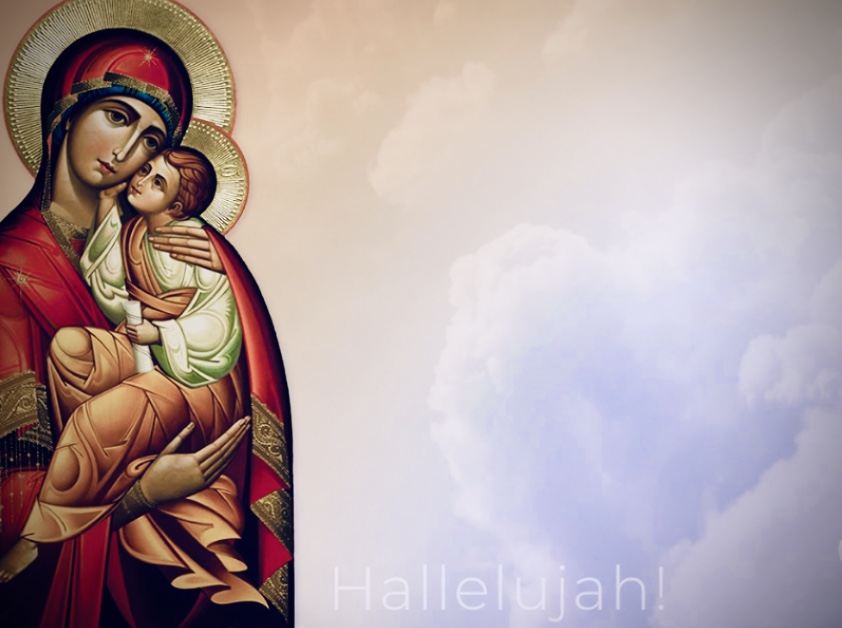
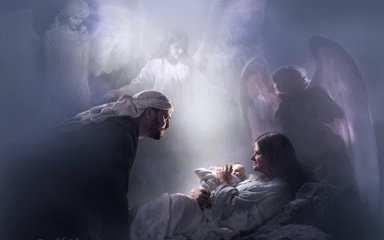
Ann Weems’ poem today speaks of angels swinging on rainbows, gathering stars in their pockets, winging in and out of earth in a flurry of moon dust sharing God’s message. And then there is the work of comforting the distressed, warning the righteous, delivering the just and guarding little children. The poet’s overarching question is this: “Wouldn’t it be grand to be an angel and have as your address ‘The Realms of the Glory of God’”?

Wouldn’t it? The grace-filled truth is that God has gifted each of us with ministries of comforting the distressed, bringing sight to the blind, offering hope to those who have lost hope, guarding little children and hundreds of other works of compassion. We are the hands and feet of God — of Christ — in our world. I am always moved by this quote by Joseph B. Clower from his book, The Church in the Thought of Jesus. This is my imperfect recollection of his words:

If the Living Christ is not confined, then our hearts are moved with his compassion, our hands are coarsened with his labor, our feet are wearied with his walking among humanity.

In some way of holy mystery, when our hands reach out in compassion, we become the incarnation of Christ in the world. Advent is about incarnation, God incarnate in Jesus. In turn, Jesus left us as his embodiment — chosen, ordained, empowered to do the works that he did when he walked among us.

. . . The one who believes in me will also do the works that I do and, in fact, will do greater works than these, because I am going to the Father. (Matthew 14:12 NRSV)

61A24E10-42F0-4043-829B-69B005A420E8And so Advent’s message urges us to do the work of angels and, yes, the works that Jesus did in his years on earth. What a divine and holy calling this is — sharing compassion, giving hope, comforting, caring, giving, working for justice, offering mercy. On top of that, Advent hints that we might also gather a few stars in our pockets, winging in and out of earth in a flurry of moon dust.

Swinging on rainbows is a possibility, too.

That just might be a glorious way
to journey through Advent 2019!

Advent, Angels, Bethlehem’s Star, Celebration, Christ’s Birth, Clouds, Courage, Dancing, Darkness, grief, Life storms, Rain and Stars, Skies, Stars

“I Am Not a Stranger to the Rain”

F7F250B9-34B2-4C15-BE70-A0AC908D2FB2
The Eleventh Day of Advent

December 12, 2019

THE CHILD IS BORN AGAIN

Each year the Child is born again

Each year some new heart
finally hears
finally sees
finally knows love.

And in heaven
there is great rejoicing!
There is a festival of stars!
There is celebration among the angels!

For in the finding of one lost sheep,
the heart of the Shepherd is glad, and
Christmas has happened once more.

The Child is born anew
and one more knee is bowed!

Ann Weems

Advent promises us angels and stars. And a Child — an extraordinary Child —who is the incarnation of God born into our world. How glorious this is adventure of Advent, year after year, a journey that brings us to angel celebrations and “a festival of stars.” We can count on it. We wait for it with great anticipation. We delight in the season. Advent candles flicker, gently illuminating the darkness until we light the Christ candle. Indeed the Child is born anew! And oh, how we love the songs of the angels, the festival of stars and the brightest star of all that shines on a stable!

But there are nights, even during Advent, when stars are hidden from our sight. Clouds begin to gather and the stars dim. The clouds thicken and the stars, even the brilliant Bethlehem star, disappear. The rains come, gentle at first, and then come down upon us with an unsettling force.

Rains do fall on the lives of all of us. Stars are hidden during seasons of rain and there may even be a startling clap of thunder here and there. Rainy seasons can be times of mourning the loss of a loved one, grieving the end of a relationship, lamenting the reality of a health crisis, worrying about your children or your aging parents. Rain falls on all of us, “the just and the unjust, those who do good and those who do evil.” (Matthew 5:44)

I am reminded of a beautiful song from the Stephen Schwartz musical, “Children of Eden.” The song offers wisdom that reminds us that we are not strangers to the rain: “I won’t say I’ve never felt the pain, but I am not a stranger to the rain.” The song goes on to say something profound that we might take to heart:

I’ve learned not to tremble
When I hear the thunder roar,
I don’t curse what I can’t change . . .

Here are the lyrics to the song followed by a video.

Shed no tears for me
There’ll be rain enough today
I’m wishing you godspeed
As I wave you on your way
This won’t be the first time
I’ve stayed behind to face
The bitter consequences
Of an ancient fall from grace
I’m a daughter of the race of Cain
I am not a stranger to the rain

Orphan in the storm
That’s a role I’ve played before
I’ve learned not to tremble
When I hear the thunder roar
I don’t curse what I can’t change
I just play the hand I’m dealt
When they lighten up the rations
I tighten up my belt
I won’t say I’ve never felt the pain
But I am not a stranger to the rain

And for the boy who’s given me the sweetest love I’ve known
I wish for him another love so he won’t be alone
Because I am bound to walk among the wounded and the slain
And when the storm comes crashing on the plain
I will dance before the lightning to music sacred and profane

Oh, shed no tears for me
Light no candle for my sake
This journey I’ll be making
Is one we all must make
Shoulder to the wind
I’ll turn my face into the spray
And when the heavens open
Let the drops fall where they may
If they finally wash away the stain
From a daughter of the race of Cain
I am not a stranger to the rain

Let it rain.


If we get to a point in our lives where we can say, “let it rain,” we will have found the strength to refuse to curse the things we cannot change. Then we can truly live, free from our need to control the things in life we simply cannot control. As the song says, “when the storm comes crashing on the plain, I will dance before the lightning to music sacred and profane.”

So let it rain and let us dance! And let us delight in Advent’s festival of stars, in the celebration of the angels, in the brilliance of the star of Bethlehem!

Amen.


Advent, Angels, Belief, Bethlehem’s Star, Call, Christ’s Birth, Discernment, Here I am, Lord., Hope, Joy, Kneeling Places, Love, Memories, peace, Reflection, Stars

“In Search of Our Kneeling Places”

DBD1A3AF-D9E4-40CB-A77F-D8CFB3E0E6FB

The Tenth Day of Advent.
December 11, 2019

IN SEARCH OF OUR KNEELING PLACES

In each heart lies a Bethlehem,
an inn where we must ultimately answer
whether there is room or not.
When we are Bethlehem-bound
we experience our own advent in his.
When we are Bethlehem-bound
we can no longer look the other way
conveniently not seeing stars
not hearing angel voices.
We can no longer excuse ourselves by busily
tending our sheep or our kingdoms.

This Advent let’s go to Bethlehem
and see this thing the the Lord has made known to us.
In the midst of shopping sprees
let’s ponder in our hearts the Gift of Gifts.
Through the tinsel
let’s look for the gold of the Christmas Star.
In the excitement and confusion, in the merry chaos,
let’s listen for the brush of angels’ wings.
This Advent, let’s go to Bethlehem
and find our kneeling places.

— Ann Weems

The words of Ann Weems this morning seem to call us to Bethlehem. Perhaps the call intends for us to remember more clearly the birth of the Christ Child, the incarnation of God. Perhaps this call wants us to focus more fully on what this Child’s birth really means for us. Perhaps the call wants us to find our kneeling places, those places that enable us to open ourselves to God’s presence in us, God’s call to us.

When, in your own kneeling place, have you responded to a call from God? Was it a call that would change your life? Was it a call that you could only answer by saying, “Here am I. Send me.”

Among all the meanings of Advent is a call to watch, to wait, to worship, to be full of expectation, to rejoice in the birth of the Christ Child and to offer our lives to God. Advent is a call to find our kneeling places.

So I am thinking today about the many ways God has called me through the years. Some of those calls became divine appointments for me. Some were hard calls, risky and frightening. Some were calls that I answered with an immediate “Yes!” There were calls that summoned me to find my kneeling places. One specific call is the one that emerged from my most impassioned, fervent kneeling place. It was the call that asked, “Whom shall I send? And who will go for us?”

To respond “yes” to that call required extended time spent at my kneeling place. To respond “yes” to that call would alter the course of my life. Looking back, I can see that saying “yes” to that call call brought me life’s deepest sorrows and matchless joys. That call from God was to be transformative for me, transcending whatever I had imagined. I vividly remember that call, and from my kneeling place, I answered, “Here I am, Lord.”

“Here I am,Lord!” Those words from my heart would bring a plethora of emotions in the months that followed — through times of testing, disparagement, condemnation, criticism, disappointment, struggle, and eventually, peace. Thinking back to my ordination service brings a host of special memories: my friends and family gathered for the holy service; the church family that laid hands of blessing on me; my husband and my best friend singing words I remember to this day.

Here I am, Lord.
Is it I Lord?
I have heard You calling in the night.
I will go Lord if You lead me.
I will hold Your people in my heart.

I, the Lord of sea and sky,
I have heard my people cry,
All who dwell in dark and sin
My hand will save.

I have made the stars of night.
I will make their darkness bright.
Who will bear my light to them?
Whom shall I send?

I, the lord of wind and flame,
I will tend the poor and lame,
I will set a feast for them,
My hand will save.
Finest bread I will provide
Till their hearts be satisfied.
I will give my life to them,
Whom shall I send?

— Songwriters: Anna Laura Page / Daniel L. Schutte; Based on Isaiah 6:8 and 1 Samuel 3

If you like, take a few minutes to view the video of this song, reflecting on the words and their meaning for you.


And so it was, from my kneeling place, I answered God’s call: “Here I am, Lord!”

The season of Advent calls us in a voice just as compelling to find our kneeling places . . .
to focus on Advent’s promises of hope, peace, joy and love,
to wait in anticipation for the birth of our Savior,
to lift our eyes and sing with the angels, “Hallelujah!”

Amen.

Advent, Angels, Christ’s Birth, God, Waiting

The Coming of God

6336215D-B890-4F02-86E0-6EE60EA5EA3B
The Ninth Day of Advent

December 10, 2019

THE COMING OF GOD

Our God is the One who comes to us
in a burning bush,
in an angel’s song,
in a newborn Child.

Our God is the One who cannot be found
locked in the church,
not even in the sanctuary.

Our God will be where God will be
with no constraints,
no predictability.

Our God lives where our God lives,
and destruction has no power
and even death cannot stop
the living.

Our God will be born where God will be born,
but there is no place to look for the One who comes to us.

When God is ready
God will come
even to a Godforsaken place
like a stable in Bethlehem.

Watch . . .
for you know not when
God comes.

Watch, that you might be found
whenever
wherever God comes.

— Ann Weems

God comes to us in so many ways, in many places, at various points in our lives. Yesterday, my spiritual director shared with me a simple meditation offered by Dan Hines, “I am here…Here I am…Open.” It is a perfect prayer for those of us who wait for the coming of God.

We are here on Advent’s ninth day — waiting, watching, open — once again inviting God into our lives and wondering where exactly God might meet us. Perhaps God will meet us at a place of hope, of anticipation. For some people, God might show up at a place of despair or disappointment. Maybe God will find us in a place of deep, abiding joy.

During Advent’s days, God comes to us “in a burning bush, in an angel’s song, in a newborn Child.” And so we wait. We watch for bushes of fire. We listen for the singing of angels. We set our imaginations toward a stable in Bethlehem. We strain to see a Child in a manger surrounded by angels, and we welcome into our hearts a newborn Child that changes everything. There is a promise tucked into the lines of this poem by Ann Weems: that wherever our God lives, and especially when God lives in us, “destruction has no power and even death cannot stop the living.”

That is the pure joy of this season. That is the promise of Advent. That is the promise we hold in our hearts through all the seasons of life, knowing deeply and completely that God abides in us always.

One of my favorite hymns sung through the Advent season was written by Charles Wesley. Published in 1745, the message of “Come, Thou Long-Expected Jesus” is timeless, as relevant today as it was in times past.

Come, Thou long-expected Jesus,
Born to set Thy people free;
From our fears and sins release us,
Let us find our rest in Thee.
Israel’s Strength and Consolation,
Hope of all the earth Thou art;
Dear Desire of every nation,
Joy of every longing heart.

Born Thy people to deliver,
Born a child and yet a King,
Born to reign in us forever,
Now Thy gracious kingdom bring.
By Thine own eternal Spirit
Rule in all our hearts alone;
By Thine all-sufficient merit,
Raise us to Thy glorious throne.

Indeed, the coming of God releases us from our fears. God is our strength and consolation, our highest hope and the joy of our longing hearts. I leave you with wise counsel from the poet:

Watch . . .
for you know not when
God comes.

Watch, that you might be found
whenever
wherever God comes.

Amen.

Advent, Angels, Belief, Faith, Fear, Godburst, Skies, Stars, struggle, Surprise

GODBURST

410E3EC6-FFC1-41D9-9979-14605DD6AF58.jpeg
The Eighth Day of Advent

Transplant Day Twenty-seven
December 9, 2019

GODBURST 

When the Holy Child is born into our hearts
there is a rain of stars
a rushing of angels
a blaze of candles
this God burst into our lives.

— Ann Weems

It seems to me that there is no other way to thrive after a kidney transplant than by allowing God to burst into my life. Certainly, God was already in my life, and has been for many years, but this “Godburst” is a different sort of divine entrance. Godburst enters powerfully, often suddenly and without warning. It is always surprise when God plans a divine appointment, unimaginable surprise.

The other side of a Godburst requires that I intentionally give God access and admittance. It is just as Ann Weems describes it when she tells when to expect the encounter between me and God. Something happens —  “the Holy Child is born into our hearts” — and as a result, I begin to believe deep within my soul that I really can face the challenges and difficulties ahead.

Still, I feel fear deep-down-inside. I fear the after effects of the transplant. The fear is in my mind in the daylight and often consumes my heart in the night. Friends ask me what I most fear, but I am hard-pressed to isolate just one fear. I think about all of them: an increased risk of infections, uncontrolled diabetes, high blood pressure, weight gain, abdominal pain, hair loss, swollen gums, bruising or bleeding more easily, thinning of the bones, mood swings and an increased risk of certain types of cancer, particularly skin cancer. And I cannot yet shake the thought of acute rejection of the kidney and the use of high powered, harsh immunosuppressant medications to prevent that rejection.

This fear has been my constant companion for many months, but since the transplant, the fear has been imminent, deeper and more severe. So last night I determined to try to get a handle on it by listing every fear that feels so ominous to me. I knew it would be a difficult endeavor, but I hoped for even a little easing of the fear.

I’m not sure it addressed the fear that much. What it did do is send me all the way back to the foundation of my being, to the source of my strength. It called my attention back to Godburst, where Ann Weems reminds me how it might look when it happens:

there is a rain of stars
a rushing of angels
a blaze of candles
this God has burst into my life.

With that kind of holy entrance into my life, I think I might just be strong enough to move into the unknown and risky future. Maybe unafraid. Or at least I could be free of the deep fear and anxiety that seems so present right now. Isn’t that a perfect picture of experiencing Advent?

In the end, after making and contemplating the list, I still may not believe strongly enough that Godburst will happen for me. But I believe that my faith will sustain me. I believe that the God who knew me before I was even born will know me still — today and forever.

I believe that Godburst is a deeply personal and powerful encounter between me and God. And I have no doubt that it can change my life!

Advent, Light, peace, Uncategorized

Peace

E9C46343-6738-420D-96FA-E49A5BB1A0D6
The Second Sunday in Advent

The Sunday of Peace
December 8, 2019

PEACE ON EARTH

“Peace on earth, goodwill to all” . . .
The song came out like one loud hosanna
hurled through the earth’s darkness,
lighting the Bethlehem sky.

Sometimes I hear it now,
but it means a baby in a manger;
it means a time of year,
a cozy feeling,
a few coins in the Salvation Army bucket.

It doesn’t mean much —
and then it’s gone,
lost in the tinsel.

Where did the angels’ song go?
Who hushed the alleluias?

Was it death and war and disease and poverty?
Was it darkness and chaos and famine and plague?
Who brought violence and took away the sweet plucking of heavenly harps?
Who brought despair and took away hope?
Who brought barrenness and crushed the flowers?
Who stole the music and brought the silence?
What Herods lurk within our world seeking to kill our children?

Are there are still those
who listen for the brush of angel wings
and look for stars above some godforsaken little stable?

Are there still those
who long to hear an angel’s song
and touch a star?

To kneel beside some shepherd
in the hope of catching a glimpse of eternity
in a baby’s smile?

Are there still those who sing
“Peace on earth, goodwill to all?”

If there are — then, O Lord,
keep ablaze their flickering candle
in the darkness of this world!

— Ann Weems

How to I manage to keep my candle ablaze in the darkness of this world? Doing so is a hard thing at times. I watch. I listen for sights and sounds that herald peace on earth, yet almost every day I see the world’s chaos instead. I contemplate what I might do in creating peace and come up empty. As in the carol I have sung during so many Advents …

Then in despair I bowed my head; 
There is no peace on earth,” I said.
“For hate is strong and mocks the song 
Of peace on earth, goodwill to men.”

Despair seems to be a constant companion in these days. Children separated from parents and detained in cages. Gun violence rampant. Vitriolic relationships among those who govern our nation. Climate change harming communities. Refugees searching for safe havens.

I turn toward the words of Ann Weems and ask, “Who stole the music and brought the silence?”

Are there are still those
who listen for the brush of angel wings
and look for stars above some godforsaken little stable?

Are there still those
who long to hear an angel’s song
and touch a star?

Are people of peace still singing “Peace on earth, goodwill to all?” If there are — even if there are only a few — then we pray to God that their flickering candle of peace would light the world’s darkness,

Advent’s prayer for peace remains on our lips:

O Lord, keep ablaze their flickering candle in the darkness of this world!

Amen.

Advent, Angels, Belief, Bethlehem’s Star, Challenge, Change, Darkness, Grace, journey, Life Journeys, New Life, New Normal, Stars

In Believing There Is Hope!

6BEA3F47-6DD3-4978-8400-9F402BA79E5D
The Seventh Day of Advent

Transplant Day Twenty-six
December 7, 2019

CHRISTMAS MIRACLE 

There are those who scoff at miracles.
I don’t know what they make of the birth of the Child.
For that matter,
I don’t know what they make of the birth of any child.

There are those who laugh at dreams.
so they’ve never heard an angel’s voice,
nor seen any unusual light in the night’s sky,
nor felt the yearning to set out in search
of new life.

There are those who do not see the Star.
I wonder where it is they go
when everyone else sets out for Bethlehem.

To those of us who believe,
into every night is born a Star.

— Ann Weems

I do not want to be one of the ones who miss seeing the Star. It’s important, especially when I am so focused on transplant recovery, that I make my way to Bethlehem this Advent. In her poem, Ann Weems writes that some people have never heard an angel’s voice nor seen any unusual light in the night sky. She laments that some people have never felt the yearning to set out in search of new life.

Advent 2019 finds me feeling at least a small yearning to set out in search of new life. Circumstances have left me no choice, really, because ahead of me, a new life is all there is. The old life is over and, with a new kidney to protect, I am facing a new life head-on, like it or not. It won’t be an easy life, but embracing new life seldom is. It is always a change and a challenge, asking for my best effort.

I fear it, as folks most always do when embracing a new life. And I am going to need some help — from my friends, my family and my faith community. I am going to need the singing of angels and the light from Bethlehem’s Star. I am going to need to believe —  really believe — because not believing may leave me stalled on the path to Bethlehem. In believing, there is hope, hope that embraces the longing for new life. Hope that hears the singing of angels. Hope that looks up into the night sky and sees the Star.

There is no doubt about it — in believing, there is hope.

Ann Weems offers the grace of one last promise:
              “To those of us who believe, into every night is born a Star.”C9B596AE-76F4-4215-AF87-B5ED84B119E3

Advent, Angels, Comfort, Dancing, Darkness, Faith, God's Faithfulness, God’s Gift of Stars, Grace, healing, Hope, Kidney Transplant, Sacred Space, Stars

Holding Hope

0DF415DB-2F19-41A6-9BA9-064139041C19
The Sixth Day of Advent
Transplant Day Twenty-five
December 6, 2019


HOLDING

The Day is here
and we made it to Bethlehem!

The time has come for kneeling
and we’ve seen the Child!

There is singing in the stable
and we want desperately to hold on to it . . .
hold on to the Star!
and the angels!
and the spirit of love!

How do we hold on
to the Christmas spirit?
Why can’t every day be Christmas?

The world mutters “Be realistic,”
and sometimes we church people mutter too.

On our way back from Bethlehem
sometimes we forget
what we’ve been warned about in a dream:
to return another way.

Once we’ve seen the Child,
we’re left holding hearts
wherein angels dance
and stars sing!

Once we’ve been to Bethlehem,
every day is Christmas!

— Ann Weems

I am holding, grasping tightly “the Star and the angels and the spirit of love.” My journey to Bethlehem is Advent’s gift. I walk the path with expectation and hope (even just a wee bit of hope some days), and I imagine the glory of the promised Child.

This year during Advent’s pilgrimage, I also walk the rocky path I call my transplant journey. I do hold on to hope as I travel the rough transplant path, and along the way I see tiny glimpses of hope. But not every day. Minute by minute I navigate symptoms and side effects and, on the worse days, my community holds hope for me when I can’t hold it for myself.

On the path — the path of both Bethlehem and transplant journeys — I see graces along the way: stars, angels, Bethlehem’s brightest star, the Child in a simple manger! It’s enough for me, the images that cry out “Hope!” It is holy ground, sacred space. Hope will get me there, sustaining me along the way, as God’s grace carries me.

And the poet’s words are true:

Once I’ve seen the Child, I’m left holding my heart wherein 04E87215-AC50-4CC9-B2F4-6612E56D0CB9angels dance and stars sing!

Thanks be to God!


Advent, Angels, anxiety, Belief, Change, Comfort, Courage, Darkness, God, God’s Gift of Stars, Hope, Kidney Transplant, Laughter, New Normal, peace, Suffering

Sometimes God Flings Stars!

0E6B5F26-6125-45C7-8B3C-48718E5A951D
The Fifth Day of Advent

Transplant Day Twenty-four
December 5, 2019

THIS YEAR

I wonder if God comes to the edge of heaven each Advent
and flings the Star into the December sky,
laughing with joy as it lights the darkness of the earth;
and the angels, hearing the laughter of God,
begin to congregate in some celestial chamber
to practice their alleluias.

I wonder if there’s some ordering of rank among the angels
as they move into procession
the seraphim bumping the cherubim from top spot,
the new inhabitants of heaven standing in the back
until they get the knack of it.
(After all, treading air over a stable and annunciating
at the same time can’t be all that easy!)
Or is everybody — that is, every “soul” — free to fly
wherever the spirit moves?
Or do they even think about it?

Perhaps when God calls, perhaps they just come,
this multitude of heavenly hosts.
Perhaps they come,
winging through the winds of time
full of expectancy
full of hope
that this year
perhaps this year
(perhaps)
the earth will fall to its knees
in a whisper of “Peace.”

— Ann Weems

This year for me is unlike any other year, not at all like Advents of my past. This Advent for me is not at all ordinary. It is an Advent that finds me in a bit of suffering, a bit of pain and, most of all, crying out for peace.

The poet asks: “What might it look like if the earth fell to its knees in a whisper of ‘Peace?’” We are always full of expectancy, full of hope that during some Advent, perhaps this year’s Advent, we will finally hear the earth whispering “Peace.” 

From the place I find myself today, I look for that Peace. Recovering from a kidney transplant and trying to live into a new normal, what I need most is peace. Peace after a life upheaval. Peace after a physical trauma. Peace that might help restore my emotional and spiritual self.

I do so want to fall to my knees in a whisper of “Peace.” But probably not today. Not until some parts of me heal a little more. It’s not always an easy thing, falling to my knees, even in the best of times. Today, though — far from home and family, separated from my friends and my faith community — most things are not easy.

I will remember these recovery days as a season of harsh medications, pain, swelling, itching, tremors, instability and anxiety. But there is another part of my memory that remembers that the Apostle Paul wrote some words that have always spoken deep peace to me. He wrote of being “troubled on every side, yet not distressed; perplexed, but not in despair; persecuted, but not forsaken; cast down, but not destroyed.”

And then his most comforting words of all: “We do not lose heart. . . for our light affliction, which is but for a moment, works for us a far more exceeding and eternal weight of glory.” (From 2 Corinthians 4)

Walking through those words of hope, I think I can make it another day. Even in my darkness of a difficult recovery, perhaps I can gather up my courage and perseverance and walk a few more steps. Yes, this is a hard time.

04E87215-AC50-4CC9-B2F4-6612E56D0CB9And yet, I still believe that, in some mysterious way, God comes to the edge of Advent and flings the Star into the night sky, maybe many stars. I can still envision God laughing with joy as starlights illuminate the darkness. And I can almost hear the singing of angels practicing their alleluias.

It is Advent, after all!

Advent, Angels, Comfort, Courage, Darkness, Emotions, Faith, God’s Gift of Stars, healing, Hope, Humbug, Kidney Transplant, Light, New Normal, Patience, Perseverance, Skies, Soul, Stars, struggle, Weeping

“Humbug!” and Hope!

AC24B7A2-58F3-416F-9366-0FA2DA829A60
The Fourth Day of Advent

Transplant Day Twenty-three
December 4, 2019

IN DECEMBER DARKNESS

The whole world waits in December darkness
for a glimpse of the Light of God.
Even those who snarl “Humbug!”
and chase away the carolers
have been looking toward the skies.

The one who declared he never would forgive
has forgiven,
and those who left home
have returned,

and even wars are halted,
if briefly,
as the whole world looks starward.

In the December darkness
we peer from our windows
watching for an angel with rainbow wings
to announce the Hope of the World.

— Ann Weems

In this season of my life, it would be easy to snarl “Humbug!” and move on to ordinary, tedious, plodding daily living. It’s hard to look starward when pain is your nightly companion, sticking much too close in the darkness of night, the darkness of life. My words this morning are not Advent-inspired words. They are, pure and simple, a factual and real assessment of where I find myself. My most pressing question? How do I get from “Humbug!” to Hope?

It will require an extra measure of faith, patience and perseverance. It will require my willingness to welcome a new normal. It may call for a little extra weeping, a bit more courage, a wide-open soul and maybe even a few angels to illuminate the way ahead.

To be honest, I have to say that on top of my physical pain is my incessant emotional pain that whispers, “You are not okay!” over and over and over again. I know this is not very Advent-like. This view of my current health and well-being is most definitely not Advent-like. But instead of my constant post- transplant complaints and consternations, I want to look for the star in the night sky. I want to listen for the hope-filled sound of the heavenly host singing “Alleluia!” I want to be standing in awe of angels with rainbow wings.

All of this descriptive information is about my current emotional/physical/spiritual space. I know that I don’t want to stay here in this dark place. I know it’s a temporary, necessary time of moving into healing and wholeness. Still, it often feels like darkness. Much more like “Humbug!” than Hope!

So from this dark place, I will myself to look starward, even briefly. I will see past the December darkness. I plan to peer out of my transplant-veiled windows, watching for an angel with rainbow wings announcing the Hope of the World!

May Spirit make it so.

Advent, Bethlehem’s Star, Darkness, Emotions, Faith, God’s Gift of Stars, healing, Hope, Miracles, Stars, struggle, Trust

Star-Giving

The Third Day of Advent
Transplant Day Twenty-Two
December 3, 2019

4C9D51BE-2835-4353-9899-134D6EF882DE
STAR-GIVING

What I’d really like to give you for Christmas is a star . . . .
Brilliance in a package,
something that you could keep in the pocket of your jeans
or in the pocket of your being.
Something to take out in times of darkness,
something that would never snuff out or tarnish,
something you could hold in your hand,
something for wonderment,
something for pondering,
something that would remind you of
what Christmas has always meant:
God’s Advent Light into the darkness of this world.

But stars are only God’s for giving,
and I must be content to give you words and wishes
and packages without stars.

But I can wish you life
as radiant as the Star
that announced the Christ Child’s coming,
and as filled with awe as the shepherds who stood
beneath its light.

And I can pass on to you the love
that has been given to me,
ignited countless times by others
who have knelt in Bethlehem’s light.

Perhaps, if you ask, God will give you a star.

— Ann Weems

This poem by Ann Weems called me to think about gifts, about giving gifts and receiving them, about learning how to cherish the gifts we receive, even those gifts we fail to recognize as gifts. My husband, Fred, tells stories of delightful Christmas parties at his country church — a full pot luck meal, tables lined with deserts of every kind, a decorated cedar Christmas tree and, of course, the gift exchange. He tells about wondering what gift he would receive days before the party and how the party-goers seemed to bring the same gifts every year: chocolate covered cherries, socks, a Claxton fruitcake, ear muffs, puzzles, home-canned jelly, ornaments, maybe even a knit toboggan from the Dollar Store. As for Fred, he always hoped for the cherries.

The party was mostly about the gifts — humble, simple, inexpensive, cherished. In thinking about gifts, the idea of cherishing gifts seems important. After all, if one can cherish a Claxton fruitcake, it would be easy to learn to cherish other gifts. Ann Weems expressed like this:

What I’d really like to give you for Christmas is a star . . . .Brilliance in a package, something that you could keep in the pocket of your jeans or in the pocket of your being.

Something to take out in times of darkness, something that would never snuff out or tarnish, something you could hold in your hand, Something for wonderment. . .

My attention went directly to “something for wonderment.” A kidney from my living donor is a gift for wonderment, to cherish. My new spiritual director who found me through an online group of female clergy is a gift for wonderment. My compassionate, tireless caregiver during this trying recuperation is a gift for wonderment. My friends and family — constantly caring, constantly praying — is a gift for wonderment. I can cherish those gifts.

Still, cherishing the gifts you receive is not a given. It’s not always easy. Let me offer an example. I had a phone conversation yesterday with a new friend who is also a kidney transplant traveler. Though every transplant recipient is unique in the way they adjust to life after a transplant, the two of us shared some definite commonalities. Both of us spoke of physical pain — his about 15 years ago; mine current, constant and debilitating. I could closely identify with much of what he told me he experienced. He spoke of his lack of faith in the immunosuppressant medications, a lack of trust in decisions doctors made during his year of follow-up care, and even very little hope that having a transplant was a wise decision.

We also talked about gifts for wonderment, gifts to cherish, gifts we should cherish, but sometimes cannot. A kidney transplant — especially when you are in the throes of recovery with a 9 inch incision held together with 33 metal staples — doesn’t always feel like a gift.

The last thing my new friend said about our kidney transplants is this:

“It’s a gift! It’s a miracle!”

Most assuredly, a kidney transplant is a miracle and a gift of wonderment, a gift to be cherished. Much like the stars in Ann Weems’ poem —- “brilliance in a package, something to take out in times of darkness, a gift of wonderment, something like God’s gift of stars.” Such a gift is radiance, light breaking through our darkness, a gift to be cherished.

I think I’ll try to be visionary enough, present enough, hopeful enough to catch one of God’s stars to hold in my hand and to keep until I need them most.04E87215-AC50-4CC9-B2F4-6612E56D0CB9

Amen.

Advent, anxiety, Bitterness, Darkness, Despair, Exhaustion, Faith, Fear, grief, Guilt, healing, Hope, Light, Loss, Mental health, Mourning, Pain, Perseverance, Reflection, Sorrow, Soul, Suffering, Unfaith, Weeping, Worry

Dark Night or Advent Light

DF745CFF-118C-480C-B837-0A81F4520CEA

The Second Day of Advent
Transplant Day Twenty-One
December 2, 2019

THE CHRISTMAS SPIRIT

The Christmas spirit
is that hope
which tenaciously clings
to the hearts of the faithful
and announces
in the face of any Herod the world can produce
and all the inn doors slammed in our faces
and all the dark nights of our souls
that with God
all things still are possible,
that even now
unto us
a Child is born!

What could this beautiful poem titled The Christmas Spirit possibly have to do with my recent kidney transplant? At first glance, not much. But lingering on the poet’s words made some of them leap from the page for me. I have to admit that the words most piercing to me are these: “. . . all the dark nights of our souls.”

Guilt overwhelmed me after the transplant was complete. I was back in my room six hours after the surgery — barely awake, a little confused, exhausted, in pain and, they tell me, very quick-tempered. I yelled at my husband, something I may have done twice in 50 years of marriage. The truth is I was feeling covered with a blanket of guilt. The nurses, my surgeon, my family were all celebrating the transplant miracle. I was in pain, second-guessing my decision to even have the transplant in the first place and feeling guilty for not acknowledging the miracle everyone else saw.

For the next two days, every person on my transplant team who came to see me entered my room with a large smile and expressed one word, “Congratulations!” said with joy in a most celebratory voice. All the while, I was often weeping pain’s quiet tears. I stared at each congratulating person with a little bit of concealed contempt. In my mind, if not on my lips, was a response that went something like this: “Congratulations? Do you have any idea what kind of pain I am experienced right now? And have you had this surgery yourself? Save your congratulations for another day!”

The physical pain was very real and very intense. The soul pain hurt even deeper. Body and soul — the physical, spiritual and emotional — were so intricately fused together that it was all but impossible to isolate or separate them. Is this just physical pain? Is part of it emotional pain? Am I experiencing, heaven forbid, a spiritual crisis? I found no way to tell. For me, it was pain in all three parts of me and that made it almost intolerable.

For two nights, I did not sleep at all — awake all night, feeling alone, abandoned and in a wrestling match with my pain. As I went over and over in my mind all the reasons I had for getting a transplant, my thoughts morphed into a fairly clear “What have I done?”

It felt so much like a dark night of the soul as I grieved my aloneness and isolation, mourned the loss of my previous life and felt deep fear of the dark, unknown path ahead. And all of those points of crisis made me feel that guilt for not being grateful for the living gift of a kidney.

As Ann Weems’ expresses in the poem, “Hope tenaciously clings to the hearts of the faithful and announces in the face . . . of all the dark nights of our souls, that with God all things still are possible, that even now unto us a Child is born!”

Twenty-one days separated from my transplant, I am able to attest that hope does cling tenaciously in my heart, that hope announces in the face of the dark night of my soul that with God, all things are still possible. And most importantly, “Unto us a Child is born!”

Into me a Child is born, and that presence empowers me to walk through my soul’s darkest night into the light that Advent brings.

Thanks be to God.


Advent, Angels, Bethlehem’s Star, Darkness, Despair, discouragement, God's presence, Grace, healing, Heartbreak, Hope, Light, Stars

Into This Dark and Silent Night

The First Sunday of Advent
December 1, 2019

C2024C51-565D-41A0-832D-EA67795E72FE
INTO THIS SILENT NIGHT

Into this silent night
as we make our weary way
we know not where,
just when the night becomes its darkest
and we cannot see our path,
just then
is when the angels rush in,
their hands full of stars.

— Ann Weems

All of us find ourselves in dark places — when the darkness is thick, when we are immersed in silence, when we try our best to make our weary way but the way ahead is veiled.

How disconcerting it is when the night becomes its darkest and we cannot see our path. I have been in that kind of place, and I imagine you have as well. It’s dark when you lose a loved one; when you relocate to a different, unknown place; when you must be away from those you love and who love you back; when a divorce brings you grief and uncertainty; when your children are in trouble; when you suffer an illness or endure a major surgery or treatment. The list of dark seasons of life is endless, personal, hiding in the depths of our wounded places.

We feel a deep kind of despair that does not seem to lift. We hold inside us invisible wounds of the soul and spirit that cannot be healed quickly or easily. Healing of the soul is a long, slow process but it does happen as time brings healing grace. Still, we experience the darkness at a time when the world around us is trying to rush us ever so quickly into Christmas. It is to our benefit if we can hold back and let the darkness call us to places we have never been. Gayle Boss expresses it like this:

Advent, to the Church Fathers, was the right naming of the season when light and life are fading. They urged the faithful to set aside four weeks to fast, give, and pray — all ways to strip down, to let the bared soul recall what it knows beneath its fear of the dark, to know what Jesus called “the one thing necessary”: that there is One who is the source of all life, One who comes to be with us and in us, even, especially, in darkness and death. One who brings a new beginning.

I wonder if in this Advent season I can let my “bared soul recall what it knows beneath its fear of the dark?” I wonder for all of us, will we let Advent be a time of waiting, a time of hoping without knowing, a time of emptying so that we can be filled with God’s Presence? Will we take time to allow the Advent darkness to do its work in us? Because the beautiful hope of Advent is that while we are waiting, lingering in its darkness, just when we realize we cannot see our path “is when angels rush in, their hands full of stars.

Amen.

Bible, Comfort, Daybreak, Despair, discouragement, Faith, Fear, God's Faithfulness, God's presence, Grace, Hope, Kidney Transplant, Matthew 10, Music, Singing, Sorrow, Suffering

My Constant Friend

0F34BE65-0D56-4F10-A4B3-E33ACB0782A0

Transplant Day Nineteen
November 30, 2019

Sleep would not come easily last night. It occurred to me that I would probably struggle all night to get to sleep, and I began to hope for the coming of daybreak. As I drifted slowly into sleep, I did what I often do on sleepless nights. I began to sing a hymn, under my breath of course, careful not to disturb Fred’s sleep. I began to sing a Gospel hymn Fred and I used to sing many years ago. In our church, or in concert at other churches, “His Eye Is on the Sparrow” was one of the favorites every time we sang it. It was certainly one of my favorites and last night while experiencing a little pain, it came to mind that God was indeed watching over me and, as the hymn says, “Jesus is my portion, my constant friend . . .”

Of course, I also began whispering the Scripture text that inspired this hymn.

Are not two sparrows sold for a penny? Yet not one of them will fall to the ground outside your Father’s care. And even the very hairs of your head are all numbered. So don’t be afraid; you are worth more than many sparrows.

— Matthew 10:29-31 New International Version (NIV)

And then the hymn:

Why should I feel discouraged? Why should the shadows come?
Why should my heart feel lonely and long for heaven and home?
When Jesus is my portion, a constant friend is he.
His eye is on the sparrow and I know he watches me.

I sing because I’m happy.
I sing because I’m free.
His eye is on the sparrow, and I know he watches me.

Let not your heart be troubled,” His tender word I hear,
And resting on His goodness, I lose my doubts and fears;
Though by the path He leadeth, but one step I may see;
His eye is on the sparrow, and I know He watches me;
His eye is on the sparrow, and I know He watches me.

Whenever I am tempted, whenever clouds arise,
When songs give place to sighing, when hope within me dies,
I draw still closer to Him, from care He sets me free;
His eye is on the sparrow, and I know He watches me;
His eye is on the sparrow, and I know He watches me.

I sing because I’m happy.
I sing because I’m free.
For His eye is on the sparrow, and I know He watches me.

I love learning the stories behind the hymns we sing. This is the writer’s story behind “His Eye Is on the Sparrow.”

Civilla Martin was born in Nova Scotia in 1866. Her husband was an evangelist who traveled all over the United States. She accompanied him and they worked together on most of the musical arrangements.

In 1904 Civilla was visiting a very ill friend. Although discouraged and sick, her friend remembered that God was watching over each sparrow and would certainly watch over  her. She shared with Civilla the words in Matthew 10: ” . . . don’t be afraid; you are worth more than many sparrows.”

Civilla was a poet and thought this would be a perfect idea for a poem. She jotted down the idea and by the end of the day, had completed “His Eye is On The Sparrow.” The entire poem was sent to a well-known composer of that day, Charles Gabriel. His lovely music has carried it all around the world in small churches and great crusades.

And then there is my story behind this hymn: that I learned it decades ago and sang it often; that it spoke comfort to me back then, just as it did last night when sleep would not come; that God has given me the gift I call hymn memory so that every time I need encouragement, the text of a hymn — usually every word of the hymn — comes to mind to comfort me.

For this gift, I give thanks to God. Daybreak did come this morning, but before that I was led by the message of “His Eye Is on the Sparrow” into a restorative night of sleep. And I know this truth in all my deep places: “Jesus is my portion, my constant friend.”

I hope you will take a moment to enjoy this video of the hymn.

anxiety, Comfort, Complaints, Emotions, Faith, healing, Hope, Introspection, Pain, Perseverance, Positivity, Reflection, Suffering, Trust

On Roses and Thorns

A2C14468-E515-4C60-81A6-D9D8A6256D84

Transplant Day Eighteen
November 29, 2019

There is always more than one way to experience an event, a setback, a difficult season of life. “Look on the bright side,” is a common admonition. Or “count your blessings.” Or “consider the alternative.” And that is just naming a few of the many pieces of advice people have offered me in the past few weeks. Problem is, I am at a time of life when I really don’t want to hear all the “good” advice. I have a retort, expressed out loud or just in my mind, that asks, “Have you walked in my shoes?”

Of course I know the answer to that — no one has walked in my shoes. No one knows how I feel, or how deeply I am languishing. No one understands well enough to give me positive admonitions. The truth is twofold: one) that other people are giving me positive affirmation because they truly care; and two) ultimately I will have to work out my own ways of coping and getting to the point of feeling positive again.

It’s a process, and not an easy one. It takes introspection, being gentle with myself and a good amount of positive self-talk. In a way, I am doing exactly what others are trying to do for me. I am contemplating the same positive advice others have given me. I get into my inner self and I think through positive admonitions and even simple platitudes designed to lift my spirit.

Sometimes it works. Sometimes not so much. It depends upon so many factors, at least for me. How is my pain? Do I feel worried or anxious? Do I feel as if my body is healing? Do I feel cared for? Are my medications playing havoc with me? Do I believe I can live with my limitations and restrictions? How close is my relationship with God? How positive is my outlook on life? How strong is my faith and do I feel hopeful about the future?

I read many years ago one of those simple platitudes designed to help create a positive outlook. 

We can complain because roses have thorns or rejoice because thorn bushes have roses.

I copied it. I rendered it in calligraphy. I looked up its origin. As I contemplate it in the suffering of this post transplant season, I can’t help but believe that it must have affected me in some positive way because I have remembered it for more than 25 years.

So it’s essentially a choice I have to make — complain about the thorns or enjoy the roses. It’s not a bad life lesson to tuck into my heart and sit with for this difficult season of my life.

Oh, and by the way, most of the time when people offer me positive encouragement, I feel loved and cared for. I feel their compassion and the hope they lift up before me. I am grateful for that and for them.